
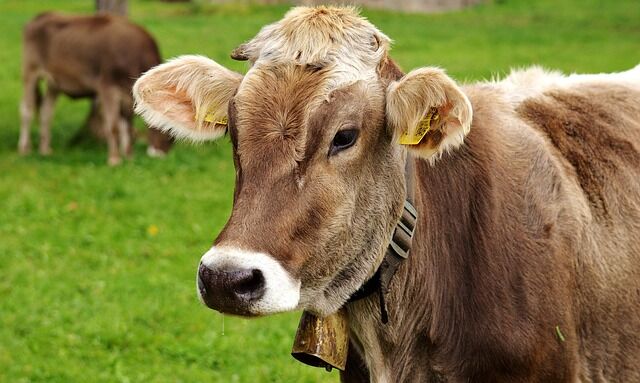
No confirmed human cases of avian influenza A(H5N1) have been reported in the EU and European Economic Area, and the risk to the general public remains low despite the discovery of avian fly antibodies in Dutch dairy cows.
The European Centre for Disease Prevention and Control (ECDC) assessed the risk as low for the general population and low to moderate for people with occupational exposure, such as poultry farm workers, or others who may come into direct contact with infected animals or contaminated environments, the EU body said in a statement on Tuesday.
Cattle-to-human transmission has only been reported in the United States among farm workers exposed to infected cattle or contaminated environments, and the cases have been sporadic with mild symptoms, according to the ECDC statement.
Biosecurity measures and protective steps for people exposed to potentially infected animals are essential, along with early detection of any animal-to-human transmission, the ECDC and the European Food Safety Authority (EFSA) said in a joint scientific opinion referenced by the agency.
Monitoring and preparedness
ECDC has produced guidance for countries on preparing for and responding to “zoonotic” influenza — flu viruses that can spread from animals to people — setting out practical actions across a range of scenarios, the organisation said.
The agency assured it is monitoring developments with partner organisations in Europe and will update its human health risk assessment for the EU and EEA as new information becomes available.
Zoonotic avian influenza strains are monitored through ECDC’s influenza surveillance programme and epidemic intelligence work, in collaboration with EFSA and the EU Reference Laboratory for Avian Influenza, and the partners publish a quarterly report on the situation.
