
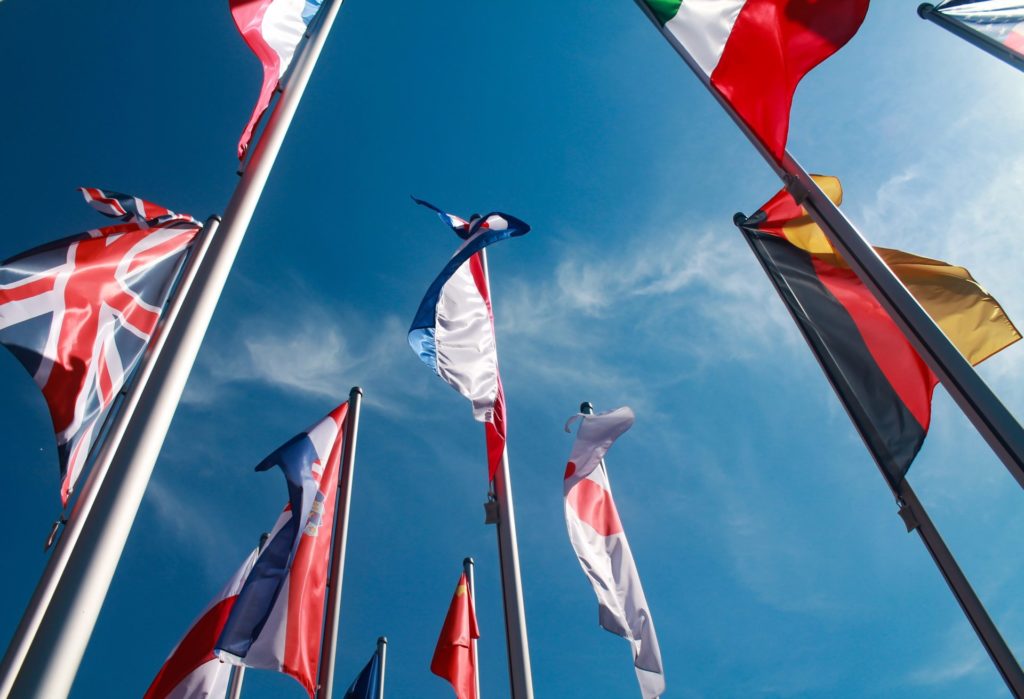
With 186 nationalities and hundreds of languages spoken, Brussels is a melting pot of cultures from all over the world.
"It is only thanks to the multilingualism of every Brusseler that Brussels can hope to achieve social cohesion worthy of the name," Philippe Van Parijs, chair of the Brussels Council for Multilingualism, told The Brussels Times.
"And only this multilingualism can turn Brussels' incredible linguistic diversity into a fabulous source of economic dynamism and cultural delight," he added.
Now, to foster and celebrate the city's linguistic diversity, the capital is organising Multilingualism Week.
From 9 to 14 February, numerous activities will take place at Bourse/Beurs in the city centre and throughout the Capital Region dedicated to multilingualism: schools, associations, universities, businesses, libraries and cultural institutions will put languages in the spotlight.
Brussels identity
After the regional elections in 2019, a Brussels Government was formed very quickly. For the first time, the government included a minister in charge of the promotion of multilingualism (Sven Gatz, at the time).
At the time, the government even included a passage in its government declaration that stressed that multilingualism was "an important aspect of the Brussels identity," Van Parijs explained.
With the protracted negotiations for a new Brussels Government following the June 2024 elections, it remains to be seen what will happen to the ministerial post.
"After the elections, I again sent a little paragraph to the then-formator (MR's David Leisterh) to include in his government texts," Van Parijs said. "But negotiations are taking a long time, and we do not know if there will still be a Council for Multilingualism, or even any money going to the promotion of languages."
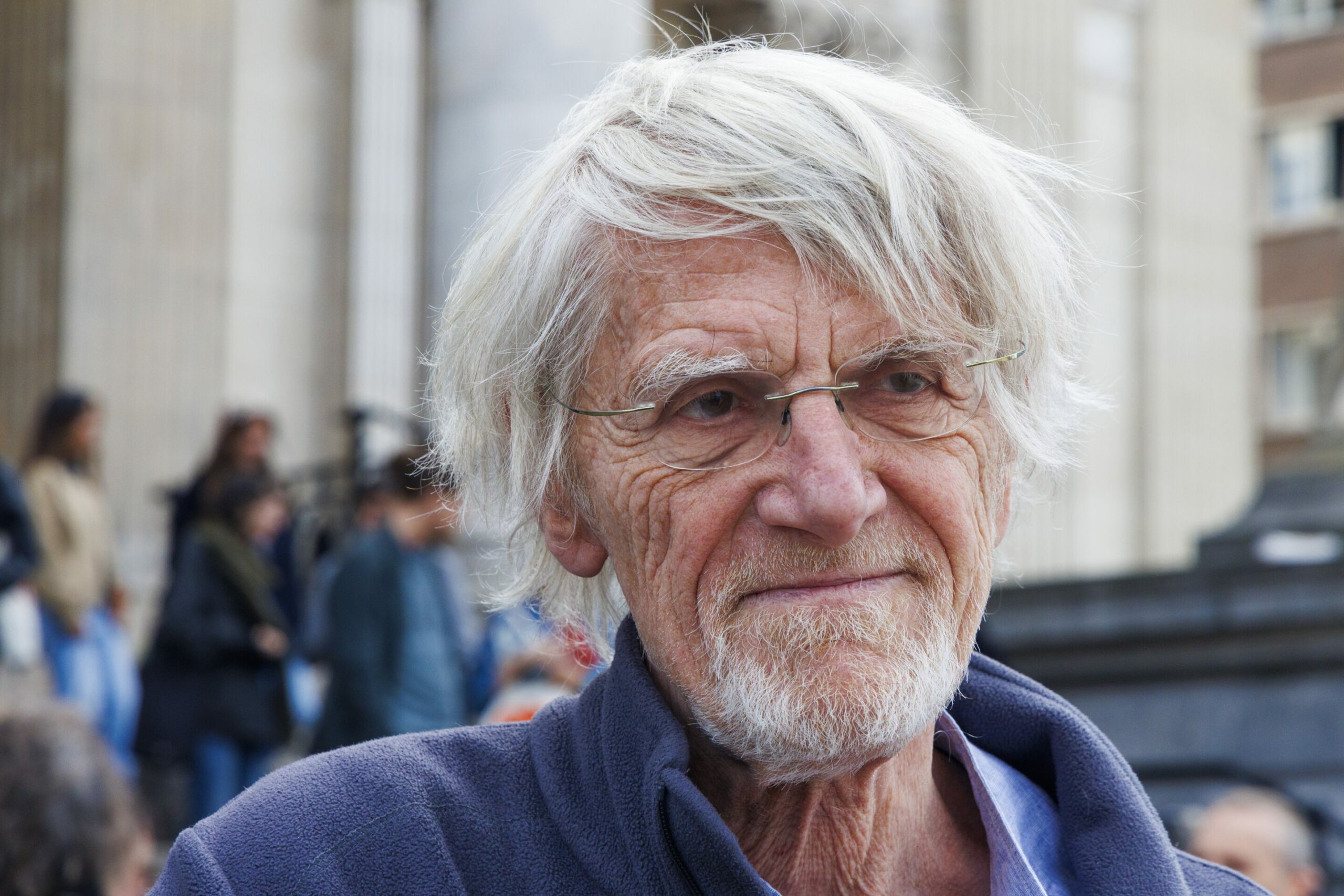
Philippe Van Parijs. Credit: Belga/Nicolas Maeterlinck
Yet, the absence of a government (and the expected government support) did not stop the Council from organising Brussels' first Week of Multilingualism, from the bottom up.
"We are seeing so much enthusiasm for this in Brussels. Plenty of things are happening in more than 10 municipalities throughout the week," Van Parijs said: workshops, cultural film evenings, lessons or debates – Brussels Multilingualism Week aims to draw as wide an audience as possible.
"Brussels is a region where languages coexist and reinforce each other," said Dirk De Smedt, Brussels Minister for the Promotion of Multilingualism.
"During this Multilingualism Week, schools, associations, companies and cultural institutions demonstrate how this linguistic wealth is transformed every day into encounters, knowledge and opportunities for everyone."
A shared language
"Having a common language and being able to communicate with each other is so important," Van Parijs stressed. "Not only in economic terms or in terms of access to employment, public services and information, but also for your social capital."
"Sure, speaking the language can help you get a (better) job, but it is also what enables you to interact smoothly with your neighbours. And it is exactly that interaction which creates relations of cooperation and of solidarity, and that makes your life better."
In the most practical sense, this is because having a common language means you can ask for help, but Van Parijs is keen to stress the importance of listening and understanding.
"Knowing other languages is, of course, a way of enriching your cultural experience. You can watch a film in translation, but that is not the same as knowing the original language. In art and real life, nuances get lost when you don't speak the same language," he said.
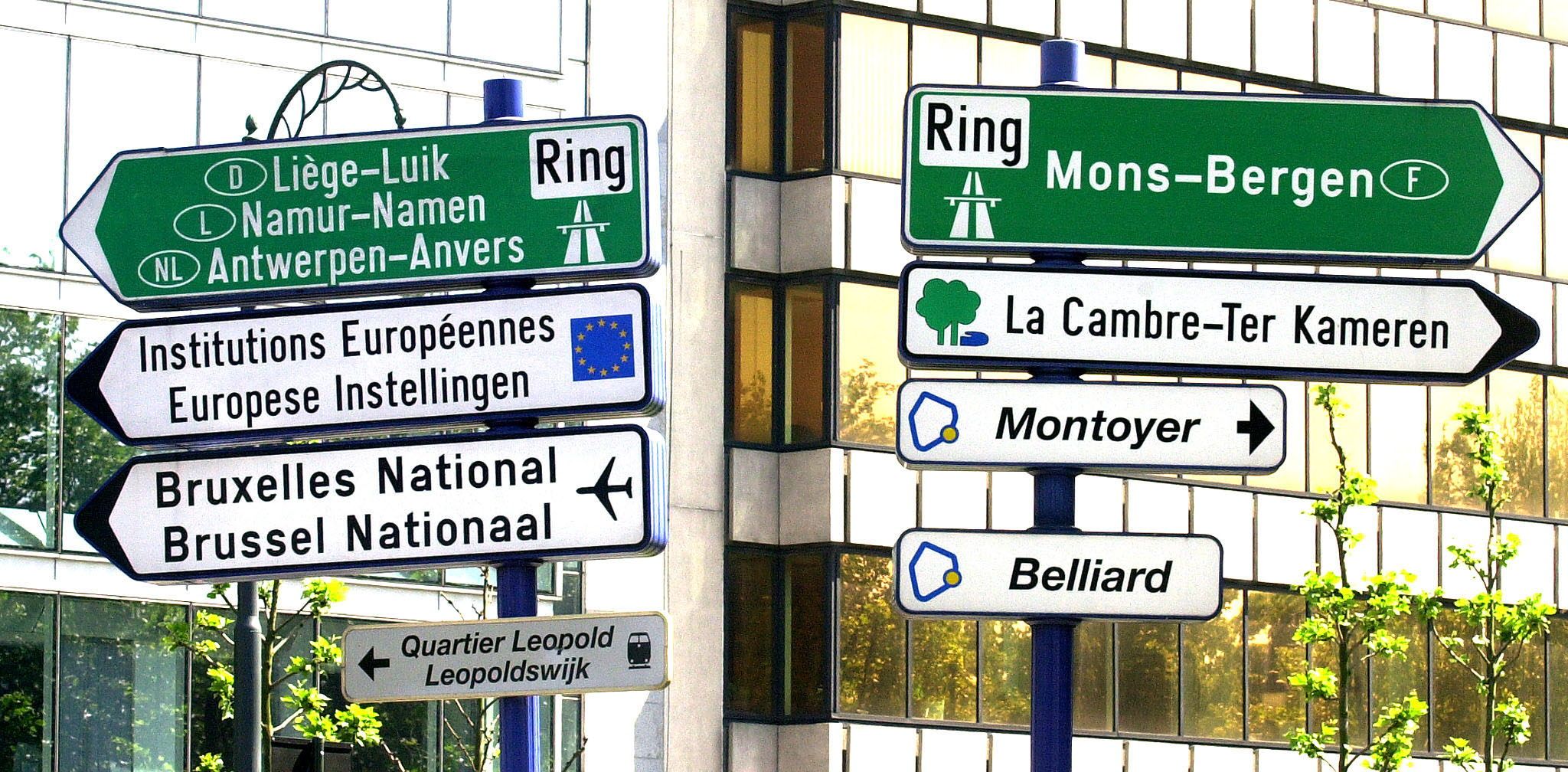
Credit: Belga / Herwig Vergult
On top of that, improving multilingualism within the city will also have a direct impact on the cleanliness of the streets. "About 15% of the adult population in Brussels does not understand Dutch or French, and so cannot read the municipalities' letters and flyers," said Van Parijs.
"They just see a long text that they can't read. But that text indicates what to put outside which rubbish bag. This may seem like a small thing, but it makes a huge difference."
In addition to promoting the learning of French, Dutch and English, the Council for Multilingualism also wants to stress the importance of "transmitting" the many other languages present in Brussels. "Truly mastering your own language will help you in learning the school language – it's not a zero-sum game."
On the more economic side of the argument, fostering all the other languages present in the city creates links with many regions in the world, creating a common language. "You create relationships of trust that facilitate cultural exchanges, but also trade, investment, technology transfer, and so on."
"In short, cherishing, nurturing and developing this multilingualism, including all the languages of origin, is very good for Brussels as a whole."
Problematically poor Dutch
With this week, the aim is to show that Brussels today is no longer either francophone or Nederlandstalig who manage to more or less cohabit, he stressed. "We are Brusselers. We are not Walloon or Flemish people who, at some point, got lost in the capital. We are all multilingual."
A big challenge for the Capital Region, Van Parijs feels, is the decline in the use of Dutch. Data from the latest Language Barometer (2024) show that French is still the lingua franca in Brussels (despite a significant drop in those who say they speak it fluently) and that the opportunities and motivation for learning English are massive.
"French is massively present in the environment, English is massively present in the virtual environment. The problem is Dutch, which is only spoken by just over 20% of people in Brussels," he said.
This, Van Parijs believes, is an issue in terms of opportunity and motivation for children to learn. "The two go together: the less a language is used around you, the less you are motivated to learn. And if you do not learn it, you avoid the opportunities where you would need to speak it."
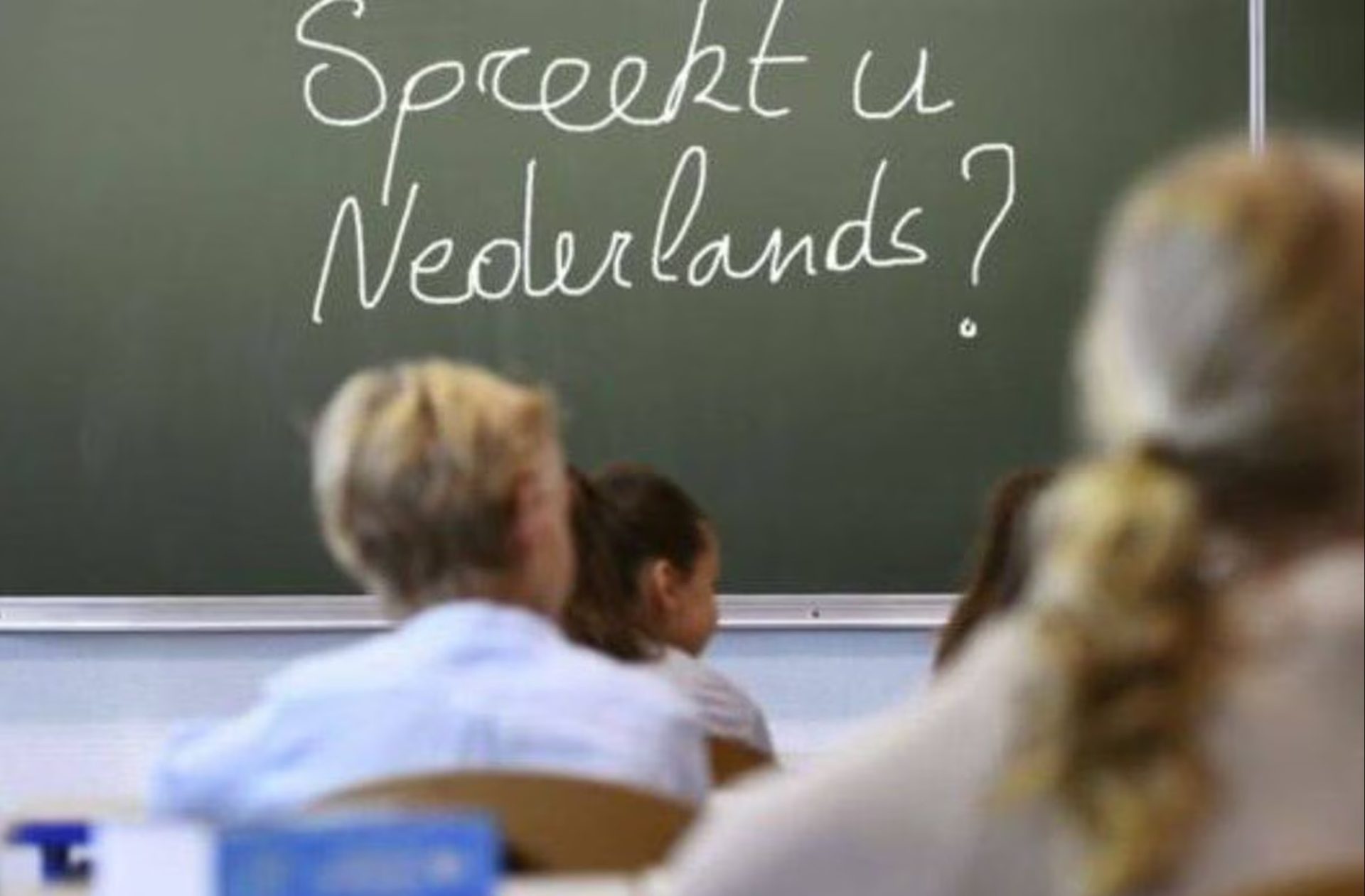
The sentence "Spreekt u Nederlands?" ("Do you speak Dutch?") written in chalk on a blackboard in Dutch. Credit: Belga
To foster this attitude, everyone attending the debates on Saturday 14 February will be asked to write their first name on a sticker, followed by the languages in which they can communicate, in descending order of proficiency.
"And then they can start speaking with whoever they meet. But there is one rule: they have to speak in the common language that is as low as possible," Van Parijs explained. "Accepting that the language you are speaking is not the most efficient language for communication in that context is exactly how you learn it."
"Or, as a school director recently told me: there is nothing worse for language learning than grammatically correct silence."
The first Brussels Multilingualism Week takes place from 9 to 14 February 2026. The full programme will be available on the website.
