
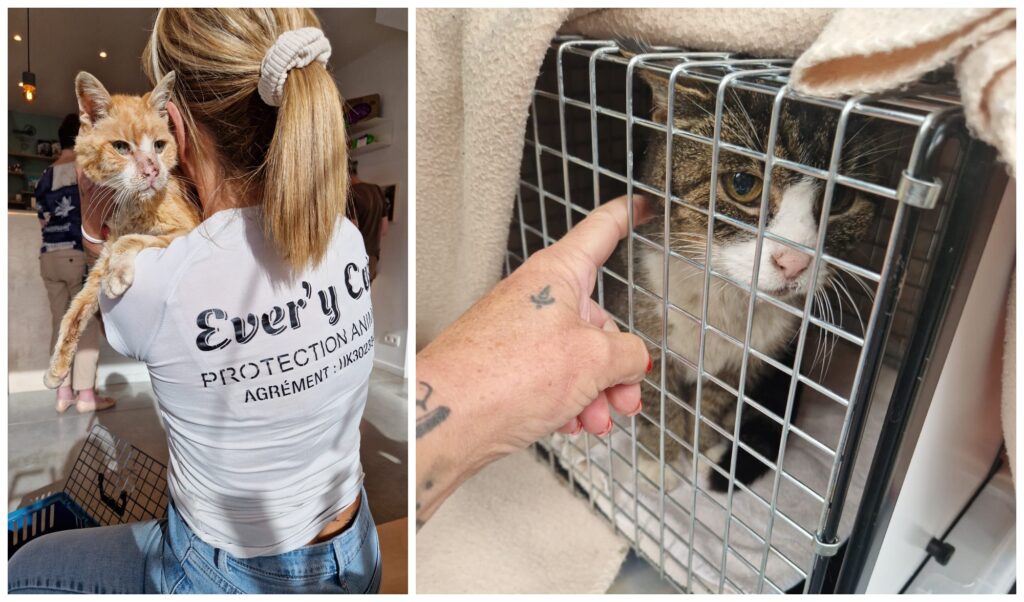
While most of the city sleeps, Stéphanie Challe is out climbing ladders, peering into backyards, mounting rooftops and entering construction sites.
With a trap in one hand and her phone in the other, the founder of the non-profit Ever'y Cat has spent the past decade doing what few are willing to do: tackling the stray cat crisis at its source.
“I became a trap rescuer without meaning to,” she tells The Brussels Times with a smile that barely hides her exhaustion.
From unemployment to a life mission
Ten years ago, Challe was managing a tanning and beauty centre. When the business closed, she found herself unemployed and went on a different and quite unexpected path. After meeting an animal welfare volunteer during a rooftop rescue, she gradually immersed herself in shelter work. But something troubled her.
“Inside shelters, there are volunteers. Outside, in the streets, there was almost nobody.”
What she saw in a social housing estate changed everything: around 60 unsterilised cats reproducing unchecked. Pregnant females. Sick animals. Kittens born only to suffer.
She learned to trap on the spot. And she understood that if shelters were overcrowded, the real battle had to be fought outside.
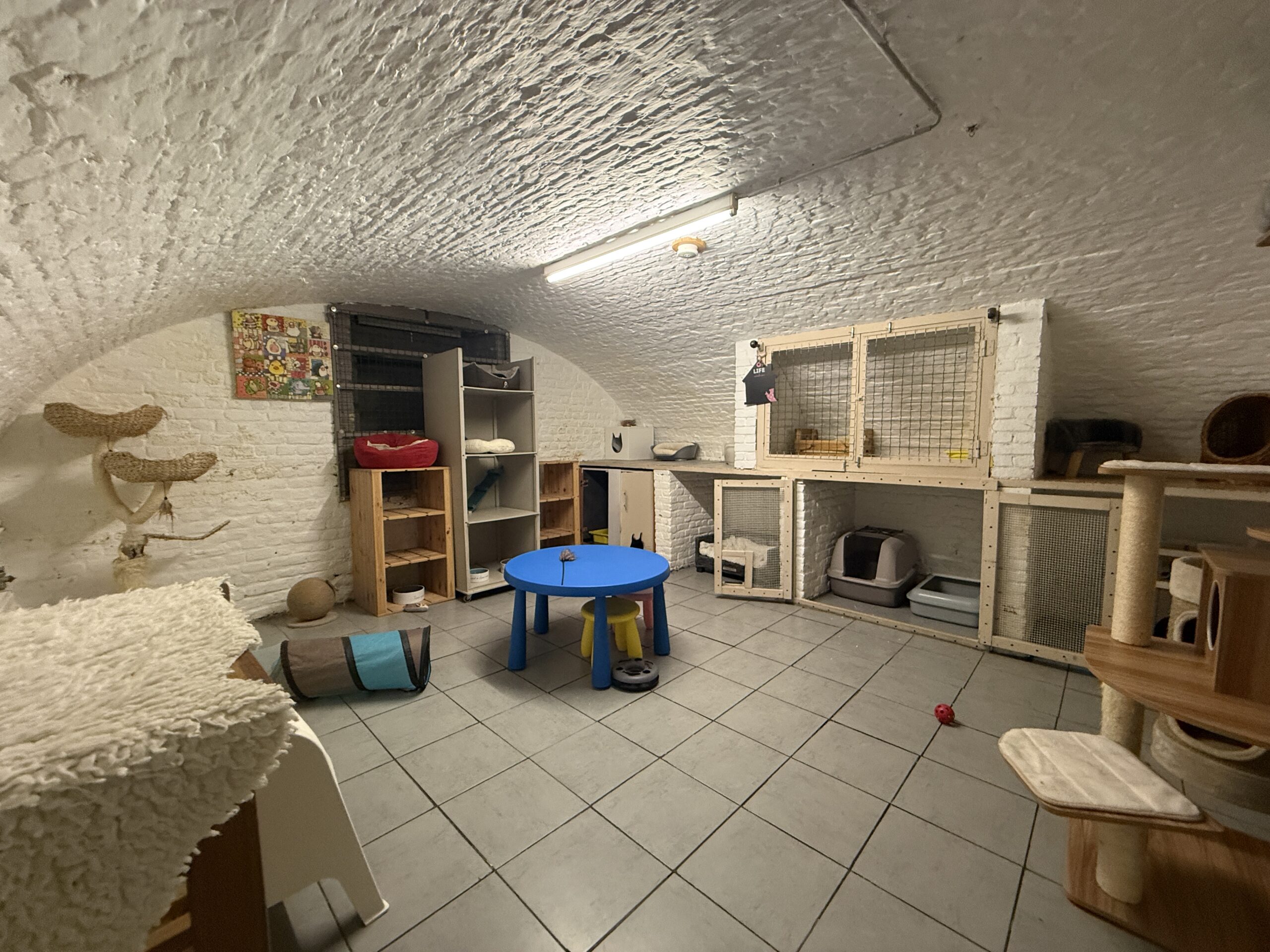
In October 2015, she founded Ever'y Cat in Evere - a field-based organisation dedicated almost exclusively to stray and feral cats. In the basement of her house, she opened a shelter where some of the cats she rescues are staying until they get treatment.
Fighting the numbers
Her work comes at a time when sterilisation policies are central to animal welfare policy in Brussels.
According to Brussels Environment, 5,838 cats were sterilised in the Brussels-Capital Region last year, including 1,400 kittens. In 2024, the figure was even higher: 6,476 cats, among them 1,568 kittens.
Since mandatory sterilisation was introduced in 2018, 60,917 cats have been sterilised in Brussels, including 12,166 kittens under six months old.
Under current rules, every cat born after 1 January 2018 must be sterilised before six months of age. Since March 2023, all cats must also be registered by 12 weeks. Owners who fail to comply risk a minimum fine of €200. Some municipalities – including Auderghem, Etterbeek, Schaerbeek and Uccle – offer subsidies to encourage sterilisation.
But statistics do not tell the whole story. “Those numbers are important,” Challe says. “But the cats we trap don’t speak. They don’t tell us who abandoned them.”
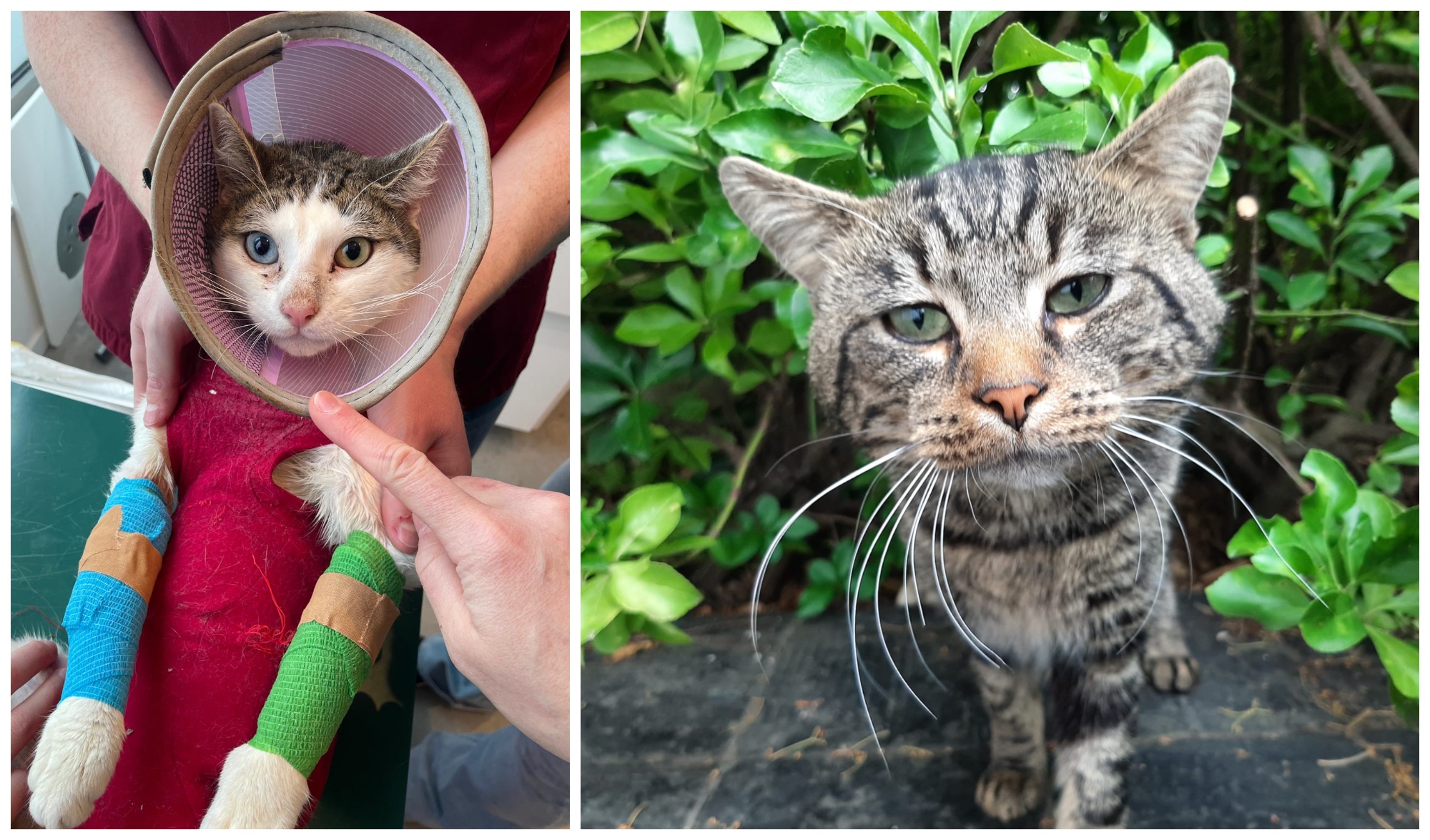
Some of the cats she rescues are in very bad shape. Credit: handout
4,700 cats trapped - and counting
Since founding Ever'y Cat, Challe has personally trapped around 4,700 cats.
Her phone rarely stops ringing. Residents, municipalities or police report colonies in gardens, construction sites or abandoned buildings. She can deploy traps (automatic, manual, remote-controlled) often monitored by camera from her phone.
Recently, at a construction site in Schaerbeek, seven unsterilised cats were captured in two days.
Each case requires a decision. If the cat is sociable – often abandoned – it is sterilised, vaccinated, microchipped and placed in one of the association’s 120 foster families. If it is feral, it is sterilised and released back onto its territory, but only once a local resident agrees to monitor and feed it. “We never take a cat out of misery just to throw it back into misery.”
Challe's 88-year-old father has built more than 600 insulated wooden shelters for released cats. Ever'y Cat provides food support when residents cannot afford it.
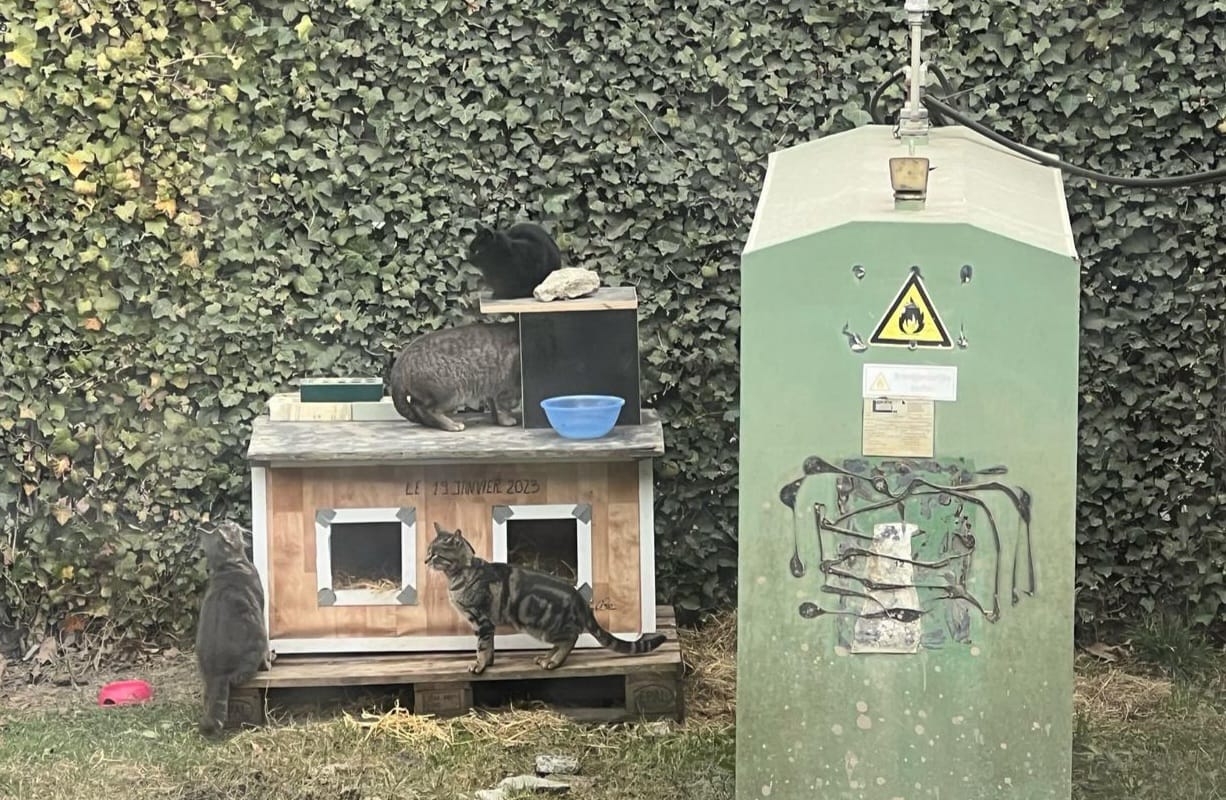
Stéphanie's father is building wooden insulated shelters for stray cats. Credit: handout
260 cats in care
Today, around 260 cats are under the association’s responsibility, spread between foster homes and a partner cat café. Nearly 200 volunteers support the work: foster families, drivers, on-site carers and administrative helpers.
But Challe is the only salaried employee and earns roughly what she once received in unemployment benefits. “I work 18 hours a day, seven days a week. My last real holiday was years ago.”
Municipalities reimburse sterilisation procedures, but vaccinations, microchips, deworming treatments and emergency surgeries - sometimes costing €1,500 – are not covered. “Three times a year, we think we’re going bankrupt.”
But social media donations often prevent that. “When we’re in the red, we ask for help. Within 24 hours, people send €20, €30. Citizens are the ones who save us.”
Between passion and burnout
Despite legislative progress, Challe believes more needs to be done. The 2018 sterilisation law was a turning point, she says. It gives associations leverage, but enforcement takes time. When a microchipped but unsterilised cat is found, procedures must be followed before action is taken. “In the meantime, that male can impregnate several females. And who takes care of the kittens? We do.”
She calls for stronger awareness campaigns as posters in public spaces, education in schools, and more authority for field organisations.
The emotional toll is heavy. She has been hospitalised after a severe cat bite. She has dealt with entire litters born in unsafe conditions. She has even found herself managing dying foxes in shelters built for cats. “What I do will kill me,” she says quietly. “But stopping would kill me too.”
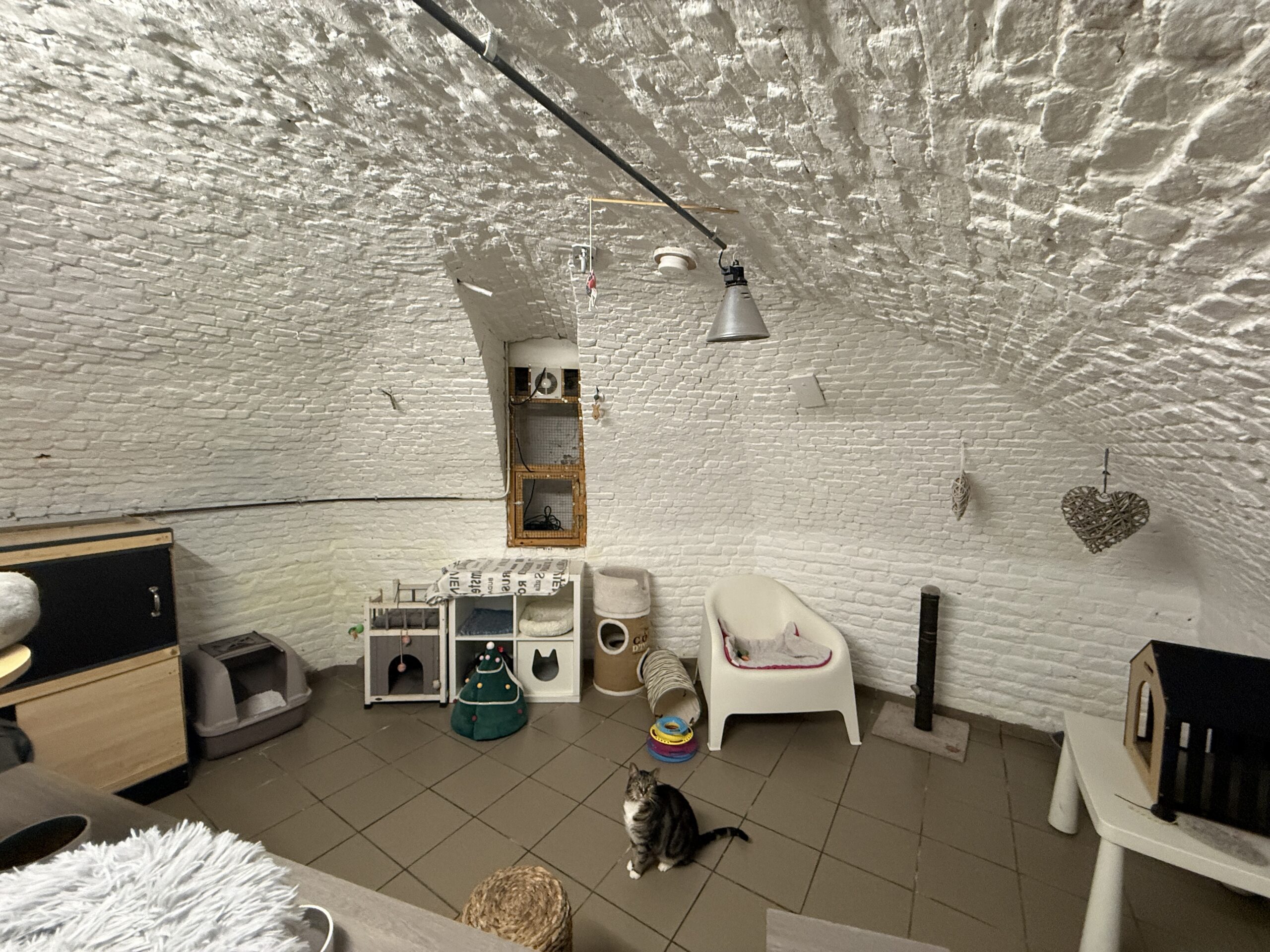
In the house's basement. Credit: The Brussels Times/Léa Huppe
A city’s invisible frontline
While Brussels counts sterilised cats in the tens of thousands, much of the work still happens in backyards, on rooftops and in forgotten corners of the city.
When asked what keeps her going, Challe does not hesitate. “When you receive a photo of a cat that used to survive on a building site, now sleeping on a sofa with its four paws in the air — that’s my salary.”
