
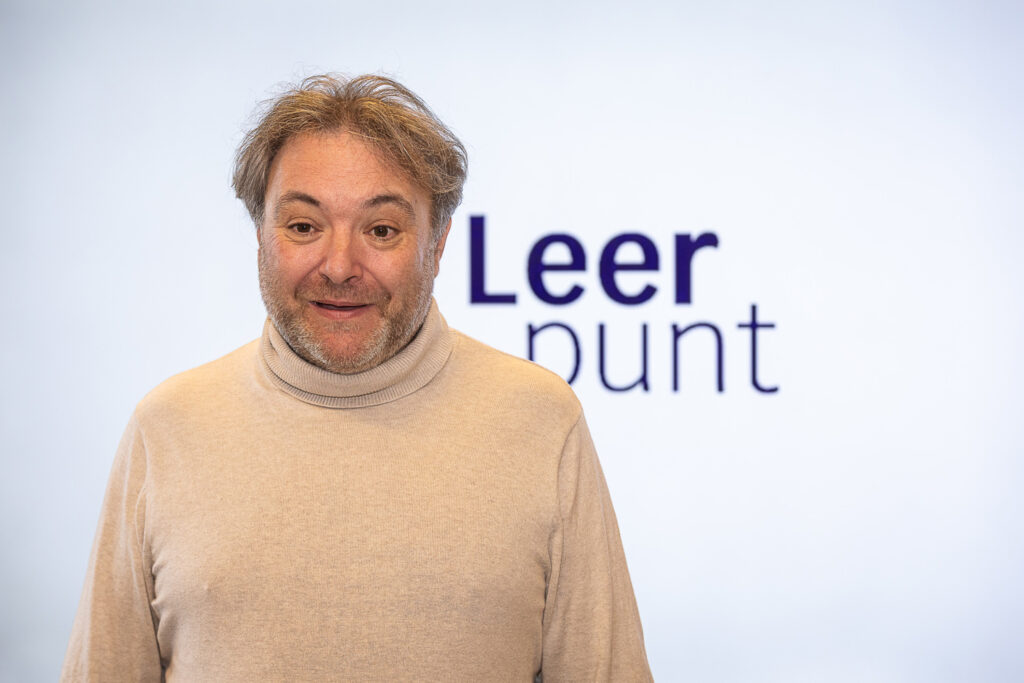
Kenniscentrum Leerpunt has published a quality framework for educational materials, which will form the basis for official quality labels to be awarded to textbooks and teaching methods from the end of 2026.
Initially, the framework will be used to assess materials for Dutch and mathematics in primary education. This was announced on Saturday by Kenniscentrum Leerpunt and Flemish Education Minister Zuhal Demir.
The framework includes 32 scientifically supported criteria. It aims to help schools find effective teaching materials and encourage publishers to improve their offerings.
Education Minister Demir highlighted the importance of this evaluation, especially in light of new knowledge-based minimum goals for primary education. “Schools gain clarity on what is strong content and what is not. This supports teachers, improves classroom quality, and ensures every student has access to proper educational materials.”
Providers can submit their materials for evaluation by an expert committee. Materials that meet the criteria will receive the ‘Leerpunt quality label.’ The first labelled materials are expected by the end of this year. Later, other subjects and secondary education will also be included.
A ‘quick scan’ tool is immediately available for teacher teams and subject groups. This tool uses key questions to help users evaluate either existing or new educational materials. “Teachers creating their own materials and publishers reviewing their methods can all use it,” said Pedro De Bruyckere, Leerpunt’s general director.
The new minimum goals were developed by an expert panel led by education professor Daniel Muijs from Queen’s University Belfast, formerly head of research for the UK education inspectorate. These goals are based on the English model of a knowledge-rich curriculum, effective teaching methods, and well-managed classrooms.
Schools can voluntarily start implementing the new minimum goals during the current school year (2025-2026). Starting next school year, the goals will be rolled out gradually.
