
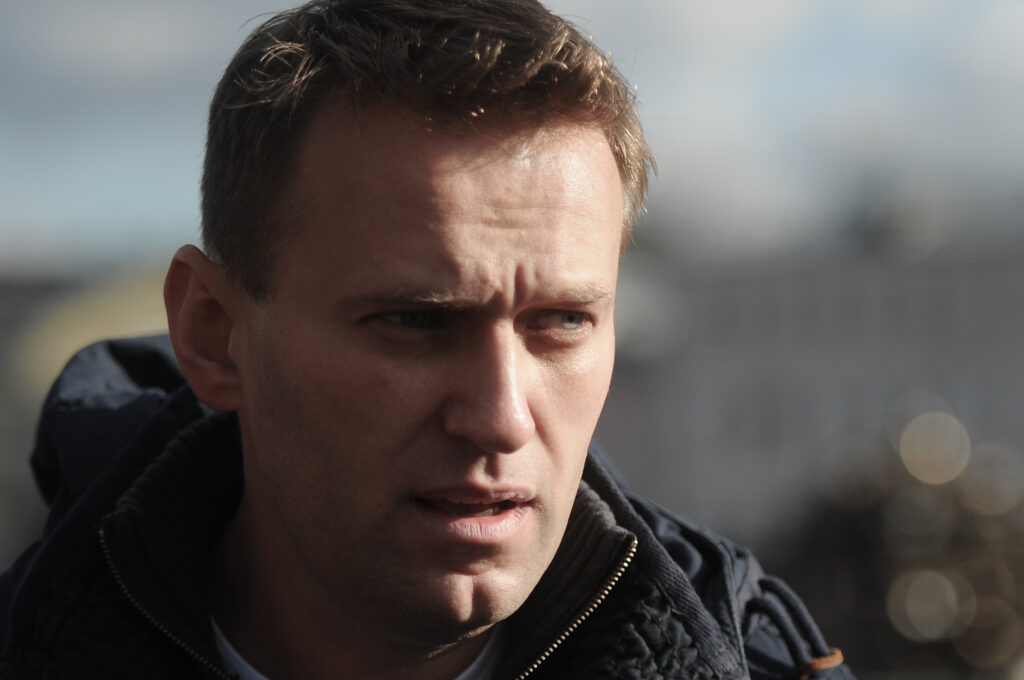
Russian opposition politician Alexei Navalny, who died in February 2024 while imprisoned in a Siberian penal colony, was poisoned, according to a joint statement from the United Kingdom, Sweden, France, the Netherlands, and Germany.
The countries cited forensic analysis of Navalny’s remains, which revealed traces of epibatidine, a toxic substance naturally found in the skin of poison dart frogs. These amphibians are native to South America and do not produce the toxin in captivity, nor are they naturally present in Russia. “There is no innocent explanation for its presence in Navalny’s body,” the statement declared.
The five nations accused the Russian state of being responsible for Navalny’s death, stating that it possessed “the means, motive, and opportunity” to use the deadly poison during his imprisonment in the Siberian penal colony.
Navalny’s death had been officially classified as natural at the time. However, his wife claimed shortly afterward that he was murdered by Russian President Vladimir Putin. Navalny had long been regarded as Putin’s most prominent domestic opponent.
This was not the first suspected poisoning of Navalny. In 2020, he became severely ill during a flight, leading to an emergency landing and hospitalisation. He fell into a coma but eventually recovered. Tests conducted two days later in a Berlin hospital determined that he had been poisoned with novichok, a nerve agent.
