
Euro zone inflation has fallen sharply from a peak of 10.6% in October 2022 to 1.7% in January, with the European Central Bank (ECB) saying its monetary policy response helped bring price growth back towards its 2% target.
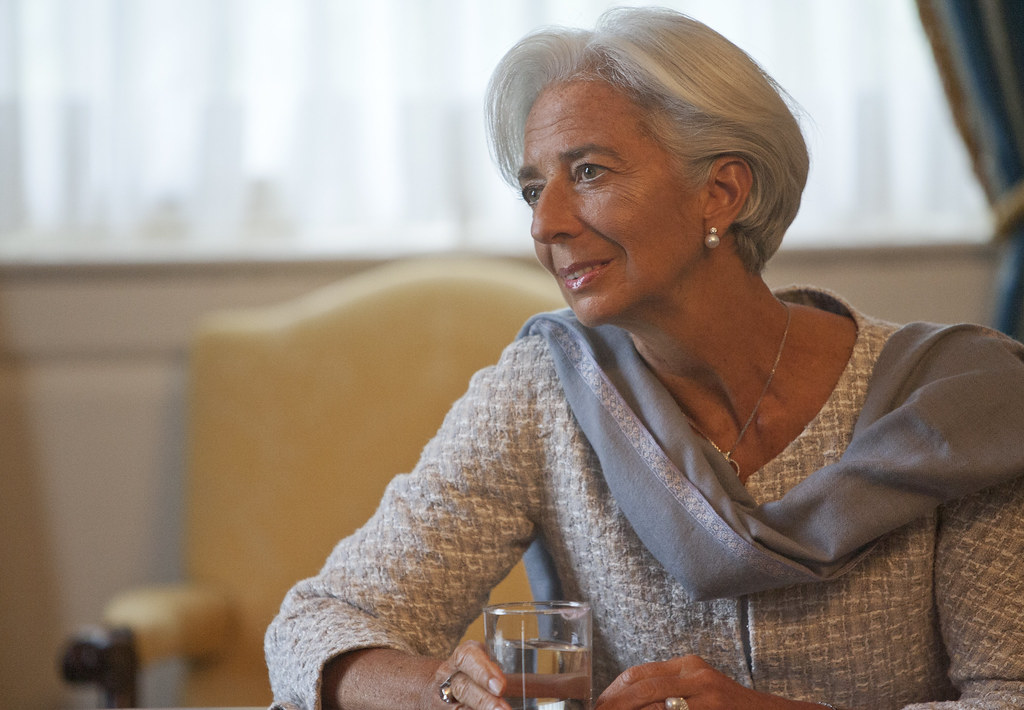
Christine Lagarde, the ECB President, told the European Parliament’s economic and monetary affairs committee in Brussels on 26 February 2026 that inflation “fluctuated in a narrow range around 2%” in the second half of last year before easing at the start of this year.
The euro area economy was estimated to have grown by 0.3% in the final quarter of last year and by 1.5% across 2025, which was higher than projections made at the start of that year, according to the speech.
Domestic demand drove growth late last year, with services — particularly information and communication — playing a key role, while manufacturing was weaker and construction was “gradually gaining momentum”, Lagarde said.
The ECB kept its three key interest rates unchanged at its monetary policy meeting earlier this month because it still expects inflation to stabilise at 2% in the medium term, she added.
Lagarde said the ECB would take a “data-dependent” and “meeting-by-meeting” approach to future rate decisions and was “not pre-committing” to a particular path for interest rates.
Why people feel inflation is higher
Many citizens still think prices are rising faster than official figures suggest, even as inflation falls, Lagarde told MEPs.
Perceived inflation — what people believe has happened to prices — has on average been 1.2 percentage points higher than measured inflation since the ECB’s Consumer Expectations Survey began in April 2020, the speech said.
Perceptions are shaped by personal shopping habits, with prices for frequently bought items carrying more weight than the broader consumer basket used in official inflation measures, Lagarde said, adding that food price trends are particularly relevant.
Food inflation has been above the euro area’s headline inflation rate — measured by the Harmonised Index of Consumer Prices (HICP), the standard yardstick across EU countries — since mid-2022, according to her remarks.
Lagarde also said people tend to focus more on price rises than price falls of the same size, and that heightened uncertainty, including around geopolitics and trade policies, and sustained media attention can amplify people’s experience of inflation.
The ECB has worked to make its communication more accessible following its 2021 strategy review, including by explaining policies in simpler terms and increasing its presence on digital platforms, Lagarde said, adding that the ECB publishes explainer videos through its “Espresso Economics” YouTube channel.
