
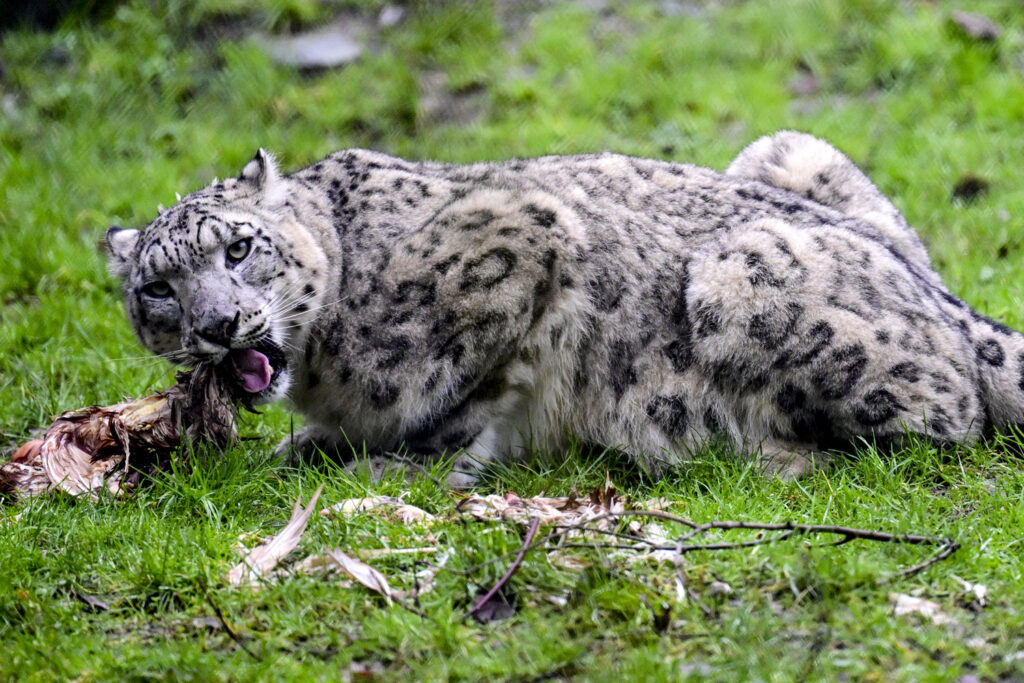
Inspectors from Belgium's Public Health Service issued 69 official reports in 2025 after carrying out 173 investigations into the illegal trade of endangered plants and animals.
Most breaches involved possession without proper certification and trading without the required legal documentation. In total, authorities recorded 50 formal offences and 19 warnings, alongside 45 seizures.
Confiscated items included ivory tusks, taxidermied animals such as a leopard and a rhea, fur garments, and monkey skulls and bones.
The inspections formed part of an environmental enforcement plan led by Federal Environment Minister Jean-Luc Crucke, with a particular focus on online sale advertisements.
"Through this plan, enforcing environmental laws becomes a real tool to protect biodiversity," Crucke said.
The Public Health Service warned that online platforms have become "an ideal channel for illegal trade in protected species".
In Belgium, the possession, trade or import of endangered plants and animals is strictly regulated under the CITES convention.
The rules also apply to products derived from protected species, including ivory jewellery, fur coats and leather goods.
Breaches of CITES legislation can lead to fines, confiscation of goods or even imprisonment, depending on the seriousness of the offence.
