
Two years after the Belgian Senate recognized social prescribing, Brussels’ museums have become part of the city’s healthcare system — showing that public culture can be central to how a city cares for its citizens.
On a weekday morning in Brussels, small groups move quietly through museum galleries: a person living with Alzheimer’s accompanied by a partner, a socially isolated visitor referred by a GP, a neurodivergent young adult seeking a low-stimulus environment. They are not just there to look at objects. They are increasingly part of a public health strategy.
On 8 March 2024 — International Women’s Day — Belgium’s Senate adopted resolution S.7-482. On a day associated worldwide with rights and equality, lawmakers framed mental health not merely as a clinical matter but also as a question of access and dignity.
In Brussels, where cultural policy often overlaps with social experimentation, that gesture carried weight. Two years on, the resolution has become a touchstone for social prescribing and the concept of the "caring museum."
The non-binding text, proposed by Senator Julien Uyttendaele with several co-signatories, brought into the federal debate the idea that "mental health could be supported through cultural and other non-pharmacological practices," explains art director and illustrator Sylvain Daudier.
In practice, the resolution offered political legitimacy and momentum to work already underway locally. In Brussels, for example, Delphine Houba, the city’s alderman for culture, had begun rethinking how to rebuild mental wellbeing during the Covid-19 pandemic, in collaboration with CHU Brugmann hospital, its psychiatric unit, and a handful of museums.
Today, the number of social prescriptions in Brussels has increased, according to city officials. Participation has expanded beyond pilot projects to include 18 healthcare institutions and 14 museums, both public and private, which have visibly reshaped their activities.
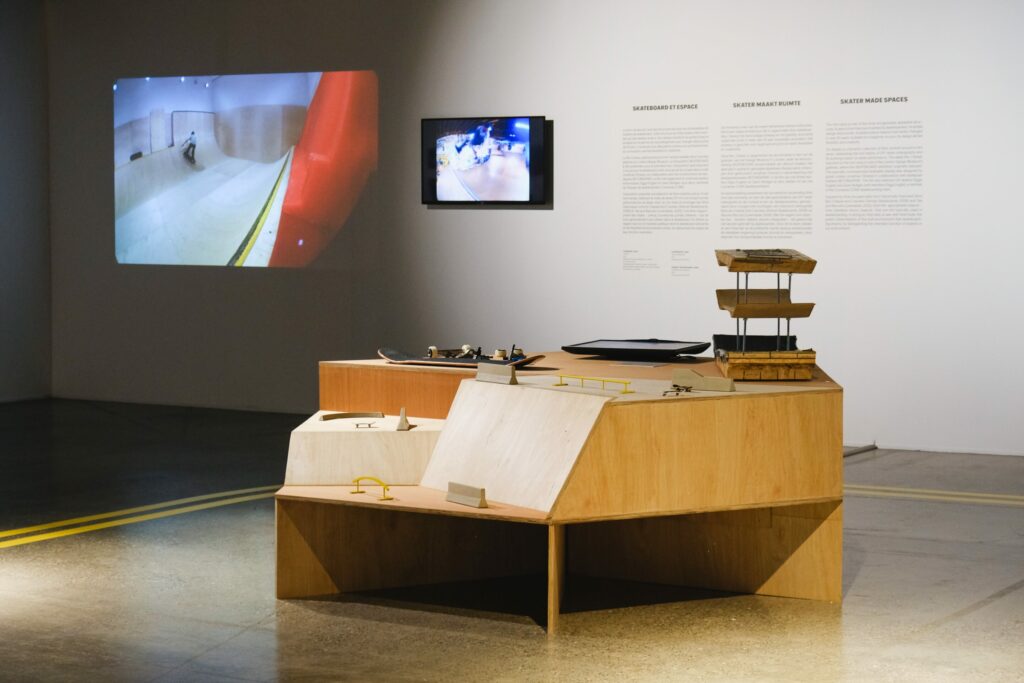
Consider the Design Museum Brussels. Participation in the programme has transformed both logistics and institutional self-understanding. "We have become not only a place of cultural experience but a civic space able to contribute to emotional and social wellbeing," says Terry Scott, head of audiences and activities.
Visitors referred through health or social services can attend with a relative or friend without booking — a small administrative change that staff say reduces stress and encourages return visits. Lighting, sound levels, and seating have been adjusted to better accommodate people with dementia, neurodivergent visitors, and those sensitive to sensory overload.
This is just one example of how museums have changed: galleries are less densely hung; acoustics are monitored; quiet rooms allow visitors to step away without leaving the building. Staff training increasingly includes mental health awareness. Ultimately, the shift is not cosmetic. Museums are rethinking what public service means in practice. Social impact is no longer an optional add-on but part of their core mission.
Yet the terrain remains fragile. The resolution is non-binding. Funding is uneven. Some cultural professionals worry about pushing overstretched institutions into roles traditionally held by health services. Can museums sustain this work without becoming instrumentalised? Will political support endure beyond the current enthusiasm for social prescribing?
Two years on, Brussels’ museums are not claiming to cure depression or dementia. But they are testing a proposition that would once have sounded utopian: that public culture is not merely metaphorically therapeutic, but infrastructural — a central way a city cares for its citizens.
