
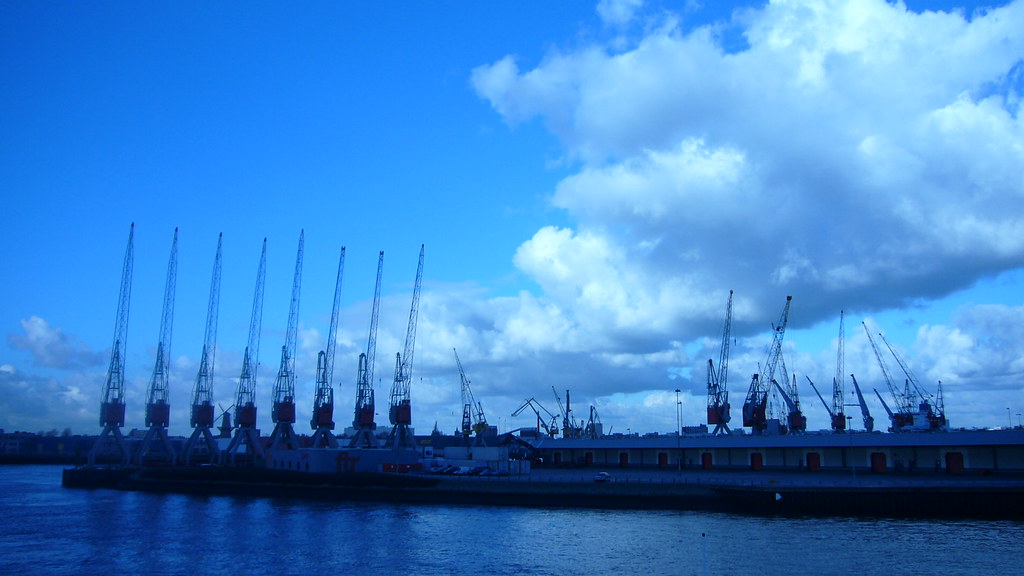
The EU’s new Ports Strategy needs additional measures to deal with investment by Chinese state-controlled actors in major European ports, according to a warning from MEPs.
The European Commission presented the initiative on Wednesday, setting out steps to strengthen the security, resilience and global competitiveness of Europe’s ports, the European People's Party (EPP) Group pointed out in a statement.
Seaports handle about 74% of all goods entering and leaving the European Union, Jens Gieseke MEP, the group’s spokesman for Transport and Tourism, said.
China holds stakes in more than 20 European ports, including the ports of Hamburg and Rotterdam, while the Port of Piraeus is fully controlled by Chinese operators, he added.
Calls for tighter screening and shared standards
The group said Europe should have “concrete safeguards” alongside the Commission’s strategy, including stronger investment screening — checks by public authorities on foreign takeovers or shareholdings in sensitive assets.
It also called for a more co-ordinated European approach to risks involving ports, including foreign state influence and organised crime such as drug trafficking.
“The European Commission’s Ports Strategy is a first step in the right direction. But a strategy alone is not enough. We need concrete safeguards, stronger investment screening, and a coherent European framework that protects our critical infrastructure,” Gieseke stated.
“Europe’s ports are the front door to our continent – and that door must be properly secured. Whether it is foreign state actors acquiring strategic control or organised crime exploiting ports for drug trafficking, Member states cannot be left to deal with these threats alone. We need stronger European coordination, clear security standards, and a unified response,” the MEP stressed further.
