
Europe’s governments are increasingly turning towards financial support contracts to prop up clean energy projects. In many cases this is a necessary policy step but the future of the energy transition will depend on governments being able to move beyond this arrangement.
The United Kingdom recently awarded contracts to renewable energy projects that could provide nearly 15 gigawatts of clean power once built. It was the biggest green energy auction ever held in Europe and its results were widely praised.
As conflict in the Middle East disrupts fossil fuel markets, the prices locked in by that auction round are looking ever more appealing with each passing day.
This kind of procurement strategy, which relies on contracts for difference (CfDs), is becoming more widespread as well. Depending on how they are structured, CfDs offer developers a guaranteed price window for the power their projects will eventually generate.
Ultimately, the main raison d'etre of CfDs is to make projects bankable, so they can go get the investment needed to get construction started. Renewables are CAPEX-intensive, but their operating costs are minimal.
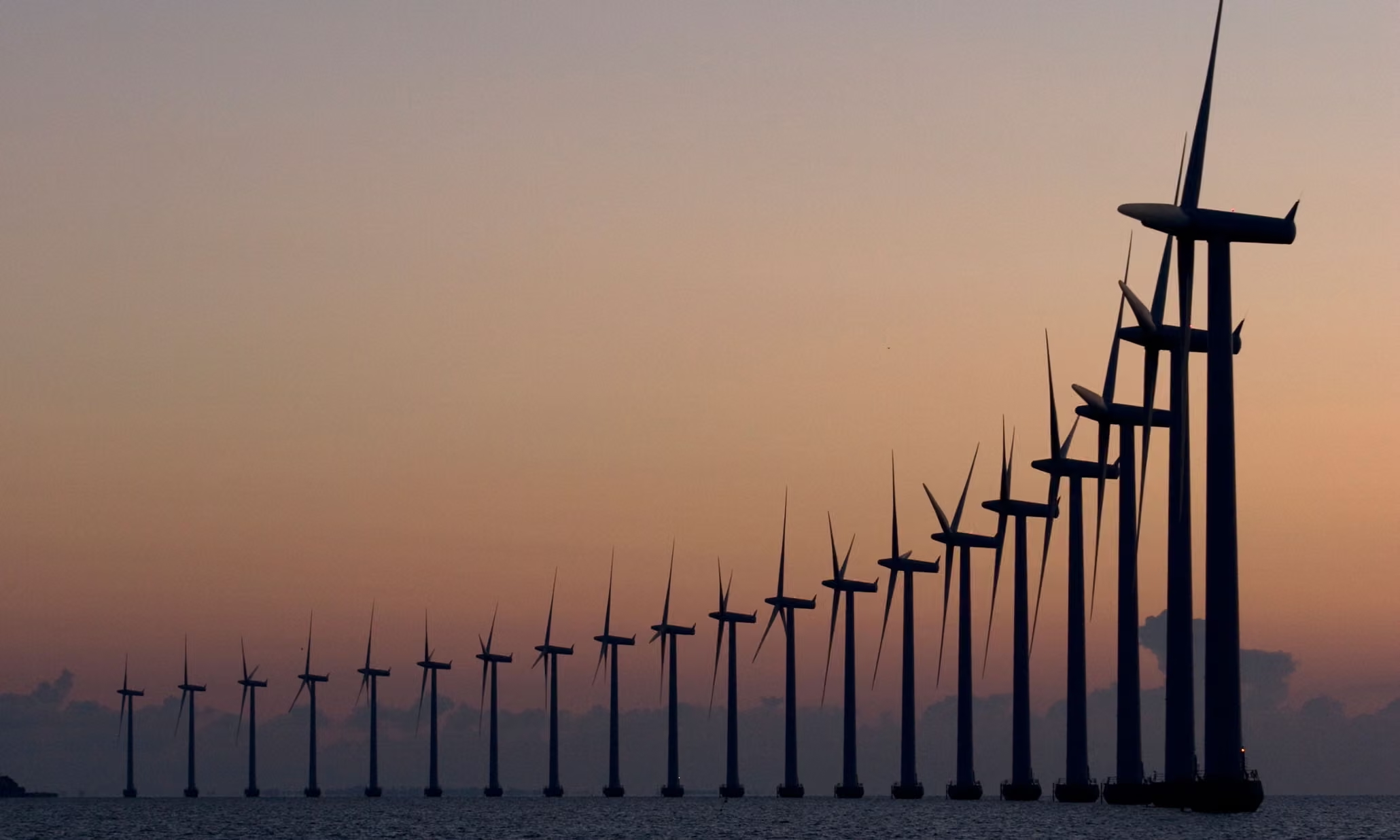
Denmark, which alongside the United Kingdom, vies for the title of offshore wind king of Europe, has also used CfDs to scale up its industry. But unlike the UK, its CfD scheme is just for offshore turbines, not terrestrial renewables.
The Danish government, although currently preoccupied with preparing for a snap election at the end of this month, is in the process of running another CfD auction. This one is offering up 3 gigawatts of capacity to prospective developers.
But the country’s onshore developers are not happy about this and have even lodged a formal complaint with the European Commission about the CfD scheme, which will rely on state aid to power the support contracts.
They claim that the scheme should not go ahead, partly because it is unnecessary due to lack of sufficient power demand and partly because under its current guise, it will incentivise developers to produce electricity when power prices are negative.
A decision is still pending from the Commission but the Danes are pressing ahead under the assumption that it will be granted.
Denmark’s onshore developers have managed to scale up their operations without subsidies, which have not been offered by the government since the end of the last decade. They also say that they would be able to meet projected increases in demand.
It is an uncomfortable situation to say the least, which is pitting two branches of the clean energy industry against one another.
There are reports in Denmark of onshore developers not moving ahead with projects that in other countries would be a guaranteed hit.
Solar projects with a confirmed grid connection in neighbouring nations would be snapped up immediately, but in Denmark, there is no point because at the moment the CfD arrangements undermine the business case.
Even repowering projects for onshore wind farms, where old technology is switched out for newer, higher capacity turbines, are not all that appealing. In other countries, repowering is low hanging fruit that can yield massive increases in power capacity.
Regardless of the outcome of the Commission’s assessment and any potential subsequent legal action, this is a debate that needs to be had.
At some point, Europe will have to move beyond this kind of support structure. Technologies will be scaled, supply chains will be shored up, the system will have adapted to absorbing more green electrons. They will already be bankable.
In some markets, CfDs and other forms of support will be completely necessary. Poland just completed its first auction, other countries that are beginning their offshore wind journeys, like the Baltic states, will also benefit from providing the kind of investment security CfDs can offer.
Newer technologies like floating offshore wind and even geothermal will also need this kind of backup during the early days of their deployment.
In Denmark’s case, you could make the argument that the billions of euros the scheme will cost would be better spent elsewhere, improving the grid and enabling electrification demand to grow, because at the moment it is stagnating.
Across the country, green electrons often either have no end consumers or no way of getting there. Building out offshore wind capacity even more does not do much to solve that problem.
What happens in Denmark will be an important milestone for the future trajectory of Europe’s energy transition. The auction is due to wrap up in May and a Commission decision is due before then.
There is no easy answer here to this particular problem but then again nobody said that the energy transition was anything other than one of the most complex shifts ever undertaken by human society. So this was to be entirely expected.
Want more updates and analysis of what is happening in the world of energy and climate? Interested in finding out more information about public tenders and consultations? Sign up to our Energy Rundown newsletter here!
