

The two biggest European search engines have joined forces to offer 27 EU leaders the opportunity to establish national search indices, in a bid to strengthen Europe’s digital sovereignty and reduce dependence on foreign technology.
Germany’s Ecosia and France’s Qwant are behind the European Search Perspective (EUSP) – a joint venture wanting to build Europe’s own sovereign comprehensive directory of search engines and digital content. This could serve as a key resource for the European data industry.
Launched in 2009, Berlin-based Ecosia runs as a non-profit and is known for planting trees with its surpluses, while Qwant is a French search engine launched in 2013 with a focus on privacy.
Build it for free
This week, EUSP sent a letter to all 27 EU heads of state proposing to build national databases for each country.
The offer includes establishing national search indexes hosted under European jurisdiction, a national ranking algorithm, and infrastructure supporting both public search services and AI search grounding.
In practice, they would build a full search API (full web index and ranking algorithm), a document index API (all documents behind these links vectorised for rapid access) and a Language Learning Model API (summarised answers from top results).
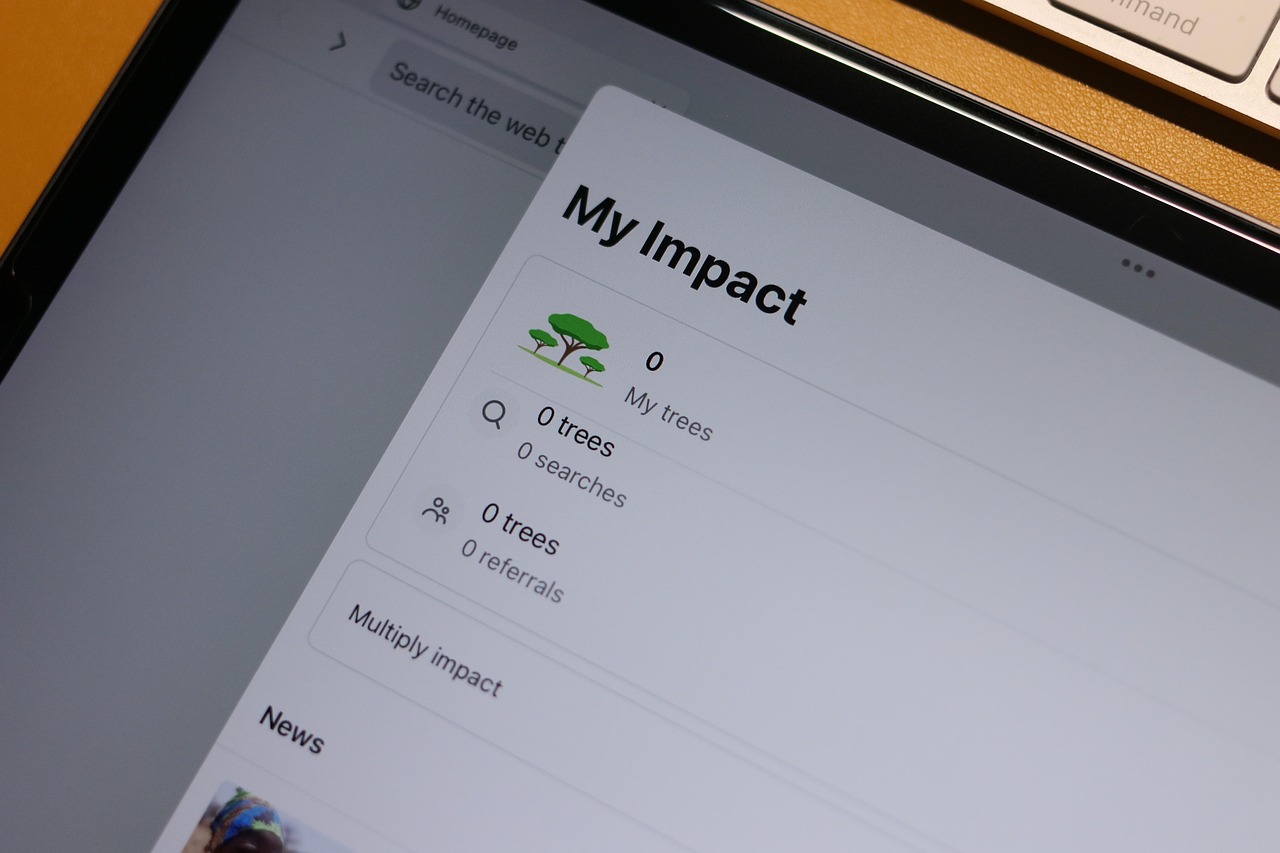
Ecosia search engine. Credit: Unsplash / Tamkung
To have this work completed, the 27 national governments in the EU have two options.
Either they can send a direct payment to EUSP to develop these databases, or if not, they will build it for free if the respective government commits to switching its default search engine to Ecosia or Qwant across its national public administration.
European Search Perspective is currently establishing a sovereign search index for France and Germany and has offered to extend the initiative to other EU Member States.
The proposal comes 100 days after the Digital Sovereignty Summit in Berlin, where European leaders committed to reducing critical digital dependencies and building sovereign infrastructure where necessary and achievable. However, not much has happened since.
'Under attack'
The driving force behind the venture is the current geopolitical instability: the initiative allows EU countries to create critical infrastructure and therefore, lessen the economic risks.
Today, 99.5% of European search queries are based on answers by just two US companies (96%), and one Russian company (3.5%), according to EUSP.
With tensions rising across the Atlantic and on the EU’s eastern border, this puts Europe at an incalculable risk if access to these search engines in Europe is restricted or cut overnight, the two companies say.
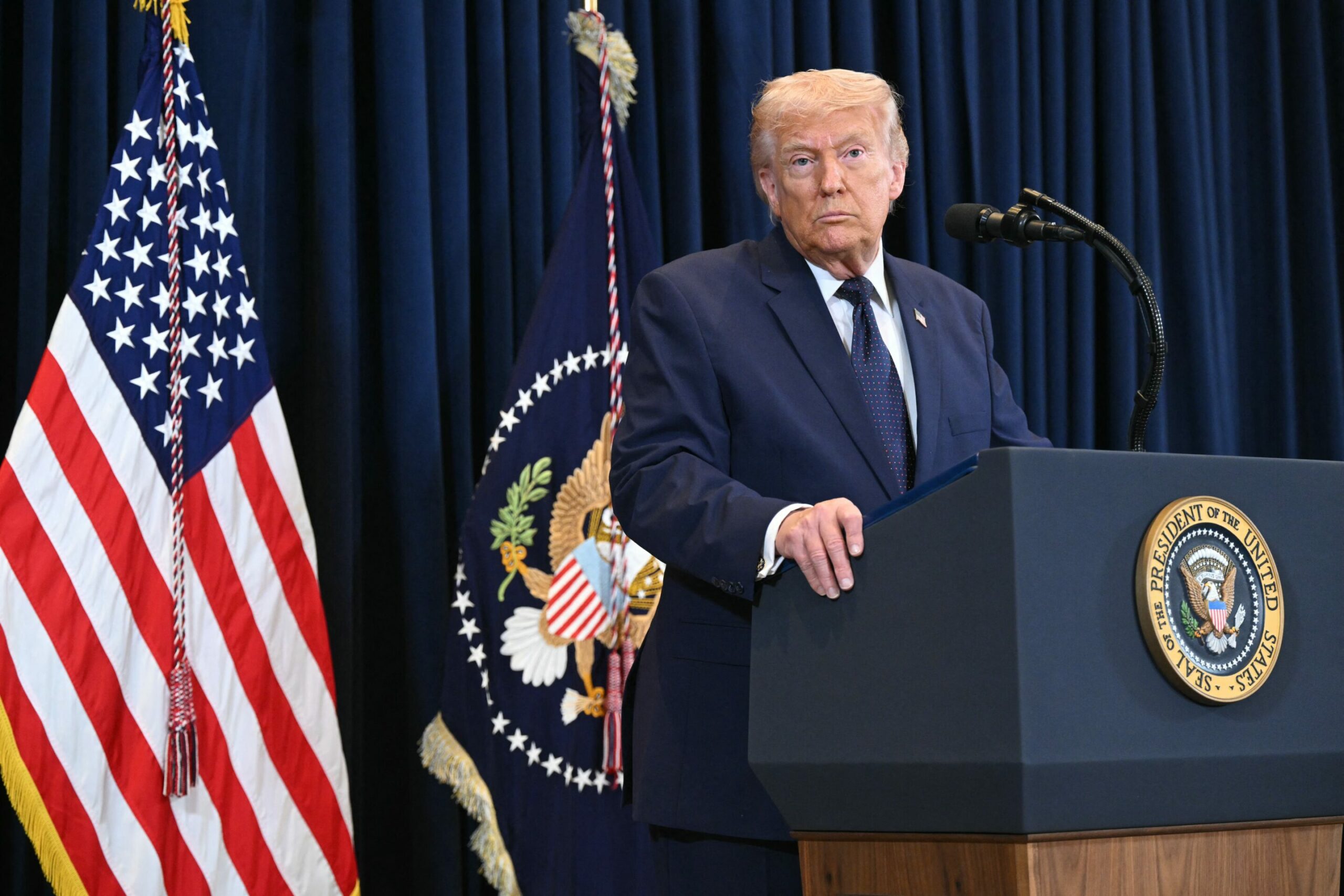
US President Donald Trump speaks during a press conference at Trump National Doral in Miami, Florida, on March 9, 2026. Credit: Belga / AFP
Furthermore, US President Donald Trump has stepped up his threats against the EU and its Member States, as seen with the Greenland and Iran crises. He points to the report that US embassies were ordered by Trump to "prevent" any data sovereignty in the EU.
"We are under attack," said Ecosia’s Chief Operating Officer and Director of EUSP, Wolfang Oels. "Donald Trump has clearly stated that the disintegration of the EU is his goal. The US is influencing our politics and sabotaging our political system. We need to get our act together."
As one of the many examples, he cited Washington has used digital dependencies to enforce its own goals, such as judges of the International Criminal Court (ICC) being placed under full digital bans, including freezing credit cards and Google accounts, over its investigations into US and Israeli officials.
If access to dominant non-European search indexing is restricted, Europe faces severe systemic risks.
The majority of Europe's GDP (approximately €18 trillion) is directly dependent on the search index-based economy, and the risk is so high that it could even lead to economic collapse, according to EUSP.
Whether the US decides to restrict access with a sanctions regime, regulatory conflict, export controls or commercial decisions, European governments are facing the loss of critical analytical capabilities.
"Without a sovereign search index, Europe does not control the gateway to its own digital economy," concludes Oels.
Europe's tech alternatives
Another similar initiative, OpenWebSearch.eu, also aims to advance European search sovereignty.
With the involvement of 14 research institutions, including CERN, the venture is building an open web index as public infrastructure with the help of Horizon Europe funding. However, its grant expired last month.
Last week, a citizens' initiative sent to the European Commission called for the establishment of a public social media platform at the European level through a legislative act of the EU.
It cited similar reasons, notably: "European democracies and their citizens are under siege from hybrid attacks waged on online social media platforms. Non-transparent algorithms are locking users in information bubbles. Billions of fake accounts are spreading disinformation, propaganda, or hatred."
The platform would also aim to "stay impartial and independent from political pressures while also guaranteeing rights of all people without distinction". The petition was officially registered by the European Commission.
100 days after the Berlin summit, some European players are taking matters into their hands. Yet with the current leadership in Europe, it remains to be seen whether they will get political backing to genuinely stand up for Europe.
