On a Friday afternoon in Brussels, the city’s rhythm shifts. Meetings in the EU Quarter wind down, laptops close, and conversations turn to weekend plans. A quick escape to the Ardennes, a family trip to the Belgian coast, or perhaps a drive across the border to northern France or the Netherlands.
For many residents, however, the question is no longer simply where to go, but how to get there, especially for those who have chosen not to own a car.
Brussels is increasingly becoming what urban mobility experts call a “post-ownership city.” In dense international capitals, car ownership is no longer the default choice for professionals. Instead, mobility is becoming more flexible: public transport for daily commuting, shared bikes or scooters for short urban trips, and access to a car when flexibility or comfort truly matters.
Several trends are accelerating this shift.
First, regulation. The Brussels Low Emission Zone continues to tighten as the city works toward cleaner air. For expats and international residents, this creates a practical dilemma: investing in a compliant private vehicle means navigating depreciation, insurance, and an increasingly complex regulatory environment.
Second, Belgium’s broader policy direction is reinforcing this trend at a national level. As of January 2026, new fossil fuel vehicles are immediately 0% tax-deductible in Belgium, a structural reform that signals that the role of the conventional privately-owned car in urban environments is being fundamentally reconsidered. Even those not directly affected by fleet tax rules are feeling the cultural and financial ripple effects of this transition.
Third, the rapid growth of shared mobility. Bikes, scooters, and car-sharing services have become part of everyday life in Brussels, making it easier to move around the city without relying on a privately owned vehicle.
At the same time, lifestyle patterns are evolving. Brussels is one of Europe’s most international cities, where residents travel frequently — whether for work, family visits, or weekend leisure. Mobility needs fluctuate rather than follow a fixed routine, which makes the fixed costs of car ownership increasingly hard to justify.
This is where the shift from ownership to access becomes most visible.
Many urban professionals no longer need a car. Yet they still want the freedom one provides when it matters most: a spontaneous couple’s getaway to the Ardennes, a family holiday at the coast, or a road trip where the journey itself becomes part of the experience.

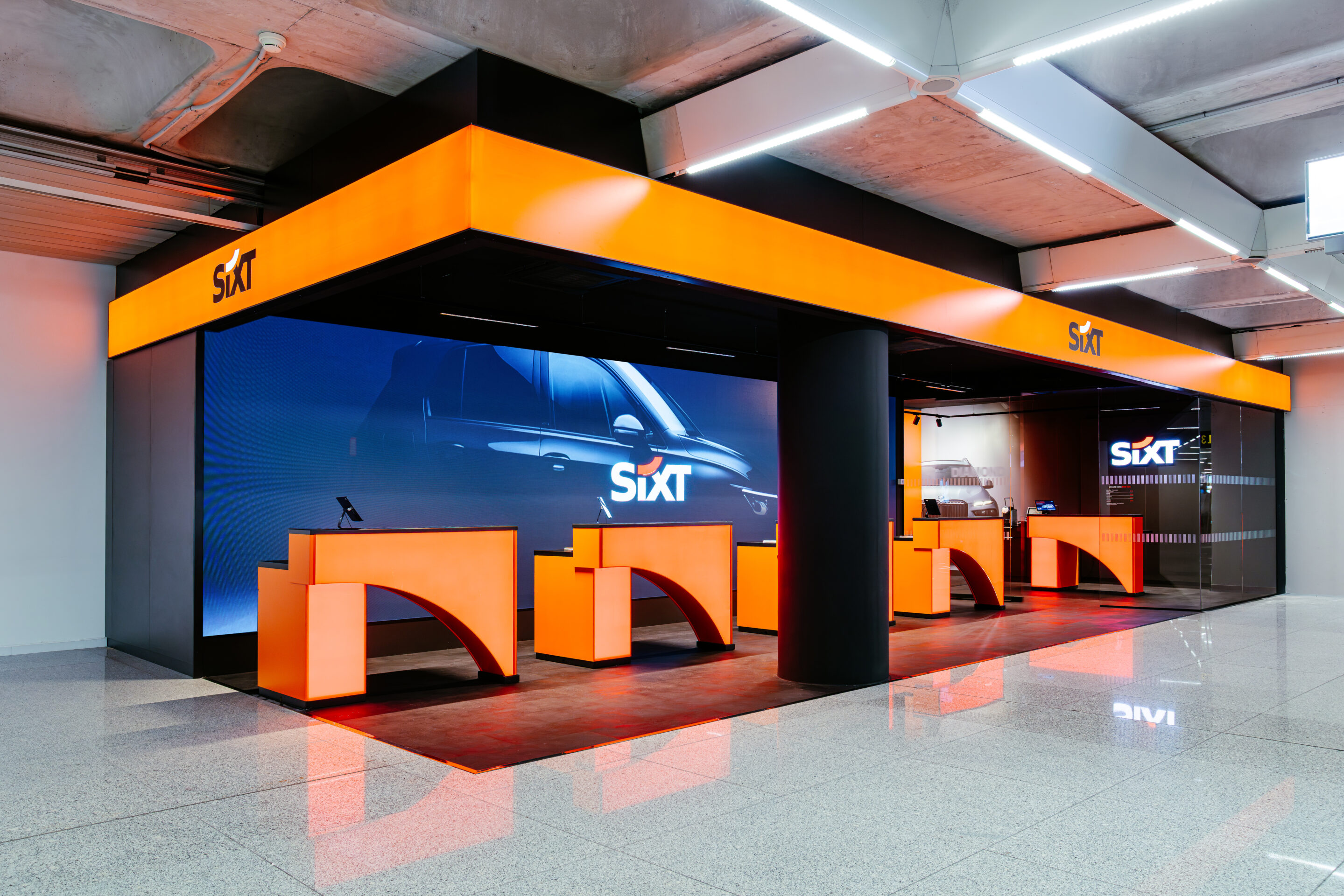
At SIXT Brussels, this change is visible every day. As Senior Area Director Belgium at SIXT, Anna Soukup, explains:
“Brussels residents are some of the most mobile people in Europe, but mobile on their own terms. Some have made a conscious choice not to own a car, and frankly, it’s a smart one. What they come to us for is the freedom that a car gives them on the occasions that truly call for it. That’s exactly the kind of flexibility we’re here to provide.”
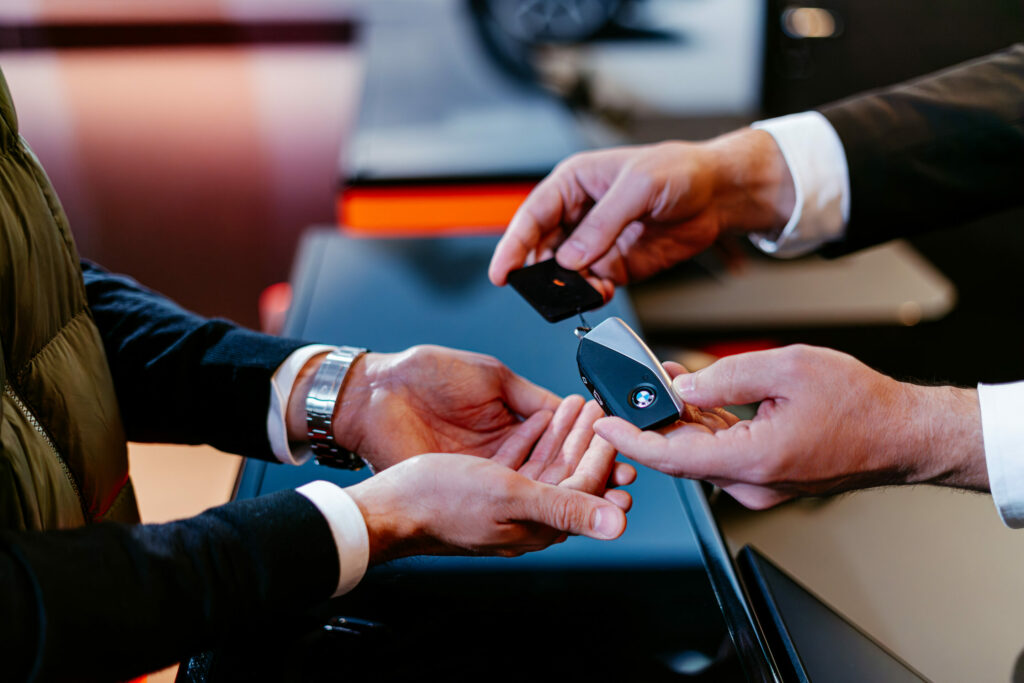
In a city like Brussels, access can often be more practical than ownership. People increasingly value transparent pricing, flexible rental conditions, high-quality vehicles, and customer service that respects their time.
Looking ahead, Brussels will likely continue evolving toward a mixed mobility model: public transport and shared services for everyday life, complemented by occasional car use for the journeys where it truly adds value. The question for urban professionals is no longer whether to own a car, it is when to access one, and on what terms.
At SIXT’s downtown Brussels locations, we see more travellers embracing this flexible approach every week. For readers curious to experience it themselves, SIXT currently offers up to 15% off rentals in Belgium, a practical entry point to a smarter, lighter way of moving through the city and beyond.
