
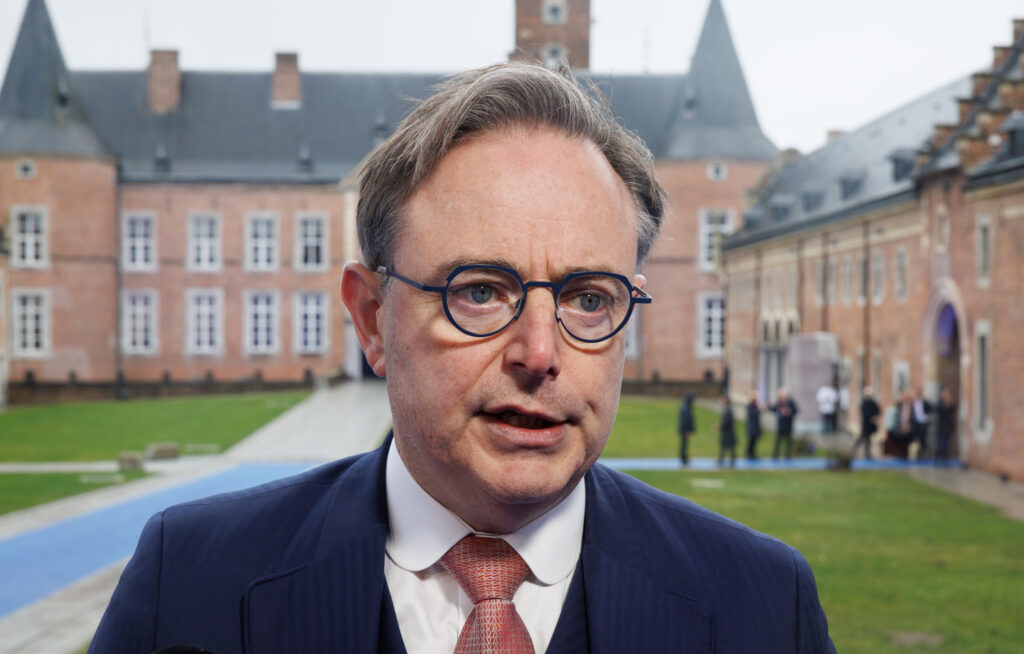
Belgian Prime Minister Bart De Wever has stated that tough budgetary decisions must be made within the first two years of the legislature to ensure fiscal sustainability.
In interviews published in francophone media on Saturday, coinciding with the release of his French-language book “Prospérité,” De Wever emphasised the urgency of acting early in the legislative period. “I am not here to stagnate,” he said, warning that as the legislature progresses, political courage tends to diminish over time.
The next steps in the budget process are imminent. “The Monitoring Committee will present its report next week, and it’s clear they will announce a deficit,” De Wever predicted. He highlighted the need to adjust the budget for 2026 and prepare the budget for 2027, which he described as the “last opportunity” for multi-year decision-making. “There’s no point slicing the exercise into pieces,” he said, adding that discussions will occur at the cabinet level rather than among party leaders. The National Bank’s forecast of €11 billion in necessary savings by 2029 does not alarm him. “If we can still add €3 or €4 billion structurally under this legislature, that should suffice,” he remarked.
When asked about the possibility of higher taxes for wealthier citizens—an idea favoured by leftist parties—De Wever did not dismiss it entirely. However, he proposed a contrasting approach, suggesting reforms such as tax simplification, unemployment restrictions, and increased labour flexibility as foundational steps. “As we create more opportunities for entrepreneurship and wealth generation, people become more willing to contribute their share of taxes,” he said. “But first, we need to lay the groundwork for creating fortunes—a concept the left often overlooks.”
