
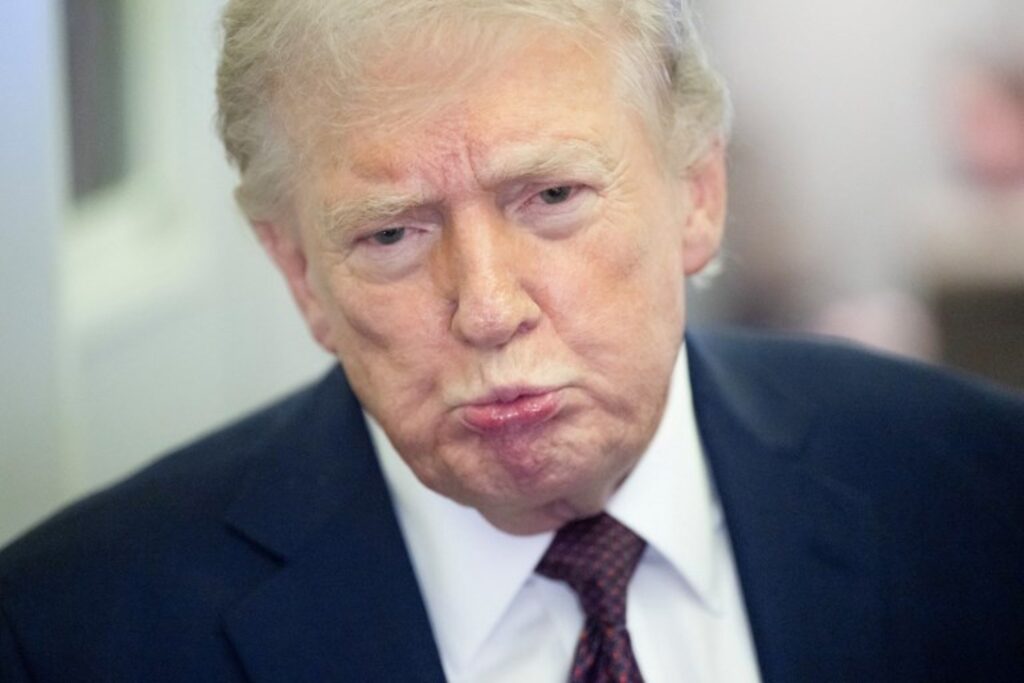
US President Donald Trump declared on Sunday that he has the "absolute right" to reinstate tariffs after the Supreme Court overturned his previous tariff measures.
In a statement on Truth Social, Trump claimed he can impose tariffs "in another form" and announced that he has already begun doing so.
He referenced trade investigations recently launched by his administration and noted that he had imposed 10% tariffs through an executive order.
On Thursday, the US launched a new series of trade probes focused on alleged violations related to forced labour. These investigations could justify the imposition of new tariffs targeting 60 countries, including EU Member States, China, and Japan.
Trump’s comments followed a statement from Beijing urging the US to "immediately correct its wrongful actions" in trade matters.
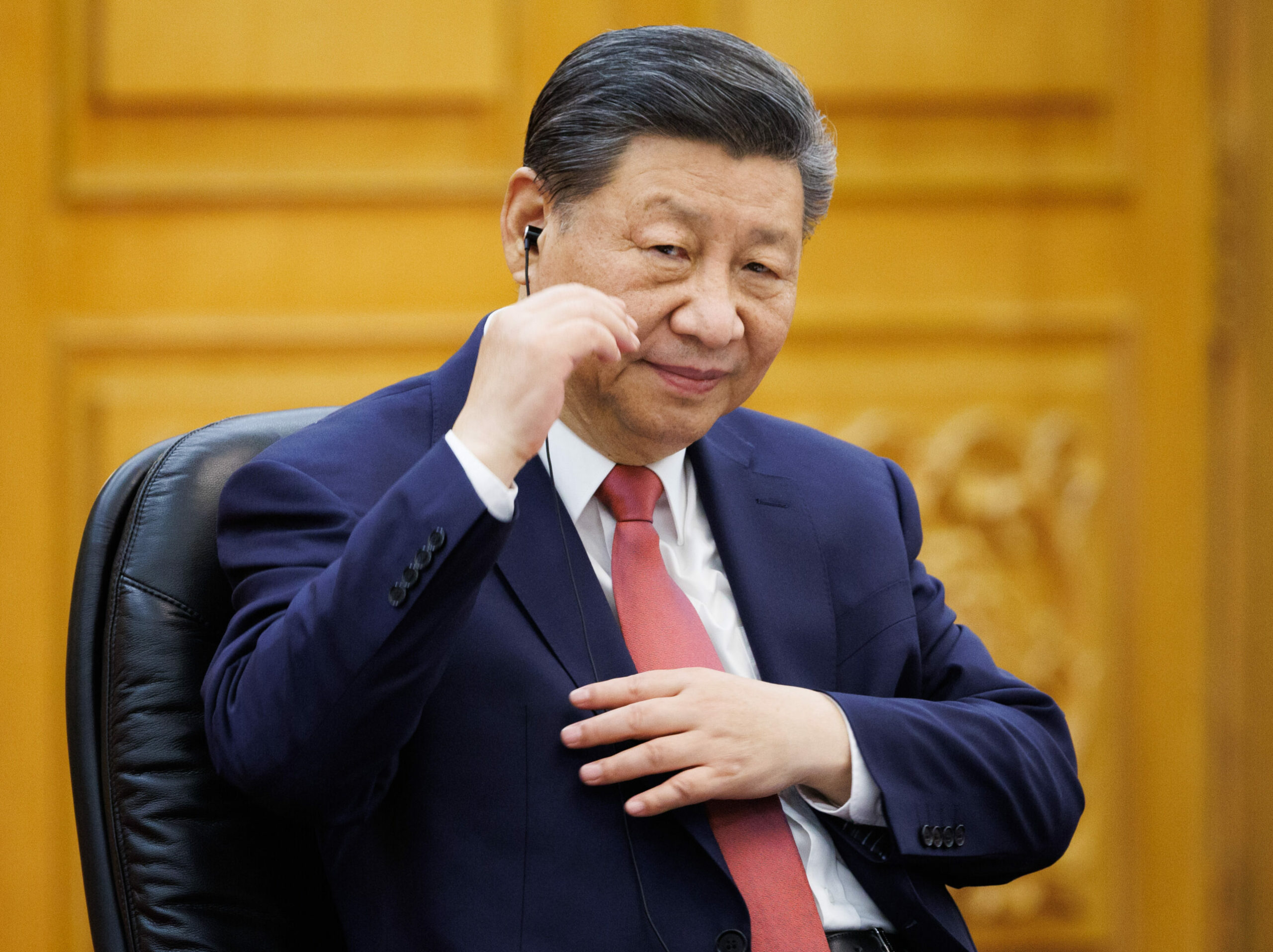
Chinese President Xi Jinping is pictured during a diplomatic meeting with Belgian delegation, 2024. Credit: Belga / Benoit Doppagne
This comes as fresh negotiations have started between the two economic powers ahead of Trump’s anticipated visit to China, tentatively scheduled by the White House for late March or early April, though the trip has yet to be confirmed by Beijing.
On 20 February, the US Supreme Court struck down Trump’s large-scale international tariffs, prompting him to swiftly reintroduce 10% tariffs via executive order.
In reaction to the ruling, Trump voiced his frustration on Monday, arguing that the Court’s decision undermined his efforts to protect the US economy.
He accused the Court of handing "potentially trillions of dollars" to countries and companies that he believes have exploited the United States for decades.
Paris meeting
Senior Chinese and US officials from both countries met in Paris over the weekend to address ongoing trade disputes. These conflicts escalated into a global standoff in 2025, followed by a tentative truce agreed upon in October.
China's Ministry of Commerce commented on the negotiations in a statement issued on Monday, expressing protest against U.S.-led trade investigations launched shortly before the discussions. These investigations target China alongside other countries and aim to examine potential violations related to combating forced labour.
The investigations, according to Beijing, are unilateral and discriminatory, with the Ministry describing them as "a typical act of protectionism." The probes could result in the imposition of new tariffs.
China's Ministry of Commerce stated it has formally lodged a complaint with the US Government, urging it to respect mutual principles, engage in equal consultations, and resolve disputes through dialogue and negotiation.
