

Across Europe, an entire generation is being forced to put life on hold.
Young people are delaying leaving home, delaying starting families and delaying settling down. Relationships are shaped by overcrowded living arrangements or the reality of unaffordable rents. The milestones that previous generations took for granted are becoming increasingly difficult to reach.
Housing is no longer just a policy challenge. It is becoming a defining social issue of our time.
For many young Europeans, the idea of owning a home feels further away than ever. Even renting has become increasingly difficult in many cities, with people spending a growing share of their income simply to keep a roof over their heads.
For too long, housing was treated as an issue that existed only within national borders. Governments were responsible for planning and building homes, while the European Union largely stayed out of the debate.
That position is no longer sustainable. The scale of the crisis means housing can no longer sit at the margins of European policymaking.
Across Europe the pressures driving the housing crisis are remarkably similar. Construction costs have risen sharply. Permitting processes are slow and complex. Smaller developers struggle to access financing. Labour shortages affect the construction sector in many countries.
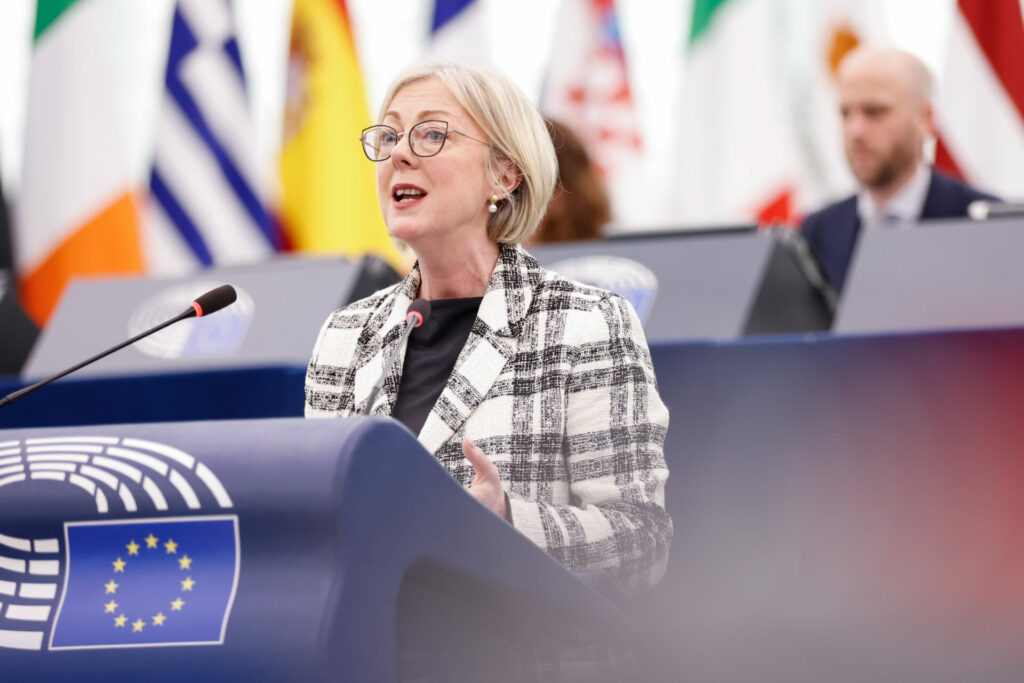
Recognising the scale of the problem, the European Parliament took an unprecedented step last year by establishing a Special Committee on the Housing Crisis in the European Union. Its task was straightforward: identify the barriers that are preventing homes from being built and propose solutions that could help increase housing supply.
A unified approach to housing
Last week the European Parliament adopted the committee’s report. That matters because it places housing firmly on the European political agenda. For the first time, there is now a clear European framework for how the EU can support Member States in tackling the housing crisis.
The recommendations are practical. The report calls for a Housing Simplification Package that would reduce administrative barriers and speed up permitting procedures that delay housing construction and renovation across Europe.
Anyone involved in housing development knows that projects can spend years navigating complex rules and overlapping regulations before construction even begins. Simplifying those processes could dramatically accelerate the delivery of new homes.
Access to financing is another major obstacle. Smaller developers often struggle to obtain the capital required to deliver housing projects, even in areas where demand is obvious. The report therefore calls for stronger use of EU financial instruments, including those provided by the European Investment Bank.
Public private partnerships will also be crucial if Europe is serious about increasing housing supply. In many cities across Europe these partnerships have already helped deliver housing developments more quickly and efficiently.
However, the most important outcome of this work may be political. Housing is now firmly on the European agenda. That must not change.
Too often housing debates become trapped in cycles of blame between different levels of government. National governments blame local authorities. Cities blame national planning rules. European institutions say housing is not their responsibility. Meanwhile the crisis deepens and younger generations pay the price.
Europe cannot afford to ignore this reality any longer. The European Union cannot build homes directly. Housing policy will remain primarily a national competence. But the EU can remove barriers that slow down construction. It can unlock investment. It can support cooperation between countries facing the same challenges.
Most importantly, it can ensure that housing remains at the centre of the political agenda. If policymakers fail to respond, the consequences will not only be economic. They will shape the kind of society the next generation inherits.
When people cannot find a home, they postpone the milestones that define adulthood. Leaving home, building relationships, starting families and putting down roots all become harder to achieve.
That is why housing cannot drift in and out of political attention. It must remain a sustained priority across Europe, not just for today’s crisis but for the future of the generation growing up within it.
