
Environmental organisations in Belgium have expressed concern about a pending bilateral agreement with Norway on transporting carbon dioxide via pipeline.
Greenpeace Belgium, Canopea, and Bond Beter Leefmilieu warn that the agreement, to be signed during the Belgian royal couple’s 24-26 March state visit to Norway, may impose significant costs on households and businesses while delivering uncertain climate benefits.
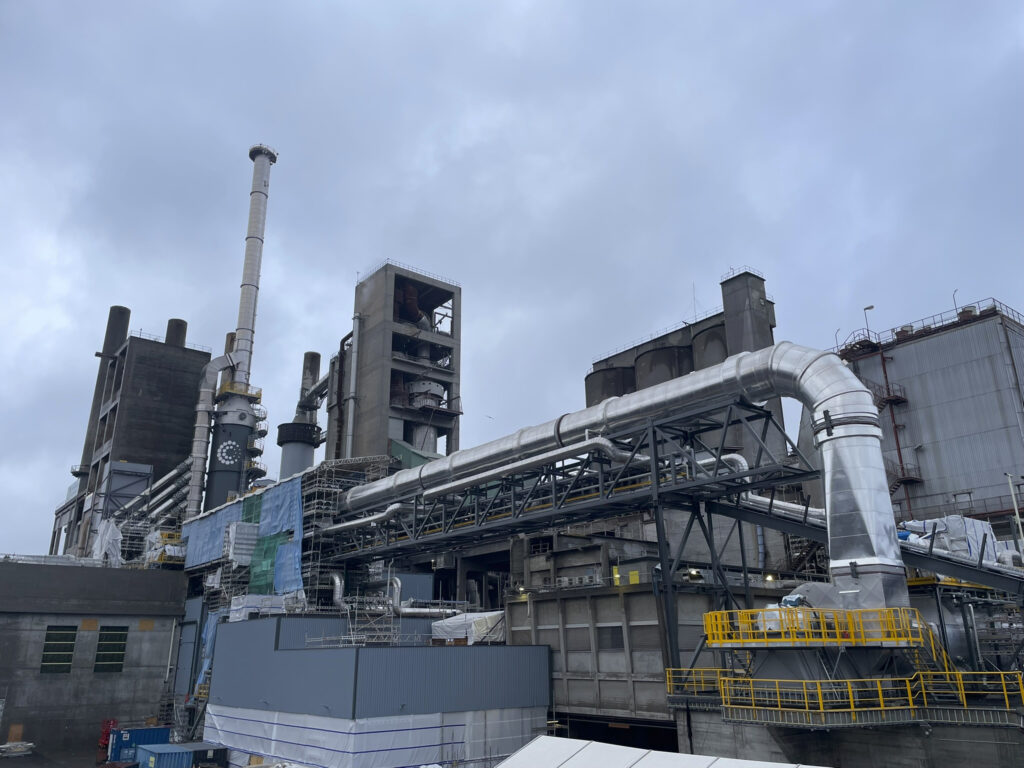
Wallonia and Flanders plan to decarbonise their economies by capturing CO2 from heavy industries such as cement and steel production. In the absence of adequate storage facilities locally, the captured carbon is set to be transported to the North Sea via pipelines, including through Zeebrugge, and stored in Norwegian reservoirs.
Norway has been a pioneer in CO2 injection, using natural reservoirs under the North Sea since the 1990s to store carbon as part of its climate initiatives.
Last Friday, Belgium’s Council of Ministers approved the proposed agreement, which would formalise the transport of CO2 between the two nations.
Environmental organisations remain sceptical about carbon capture and storage technology, calling it an uncertain and energy-intensive solution that addresses symptoms rather than root causes of climate issues.
They further highlight concerns about the long-term reliability of CO2 storage, potential risks to the environment, and limitations on the volume of carbon that can be securely stored.
The NGOs argue that relying on public funds for such infrastructures could divert resources from critical investments in electrifying industries, transport, and heating.
They also warn that such projects risk perpetuating dependency on fossil fuels instead of encouraging a full transition to renewable energy.
The groups have urged the government to ensure maximum transparency regarding the public funding allocated to these initiatives.
