
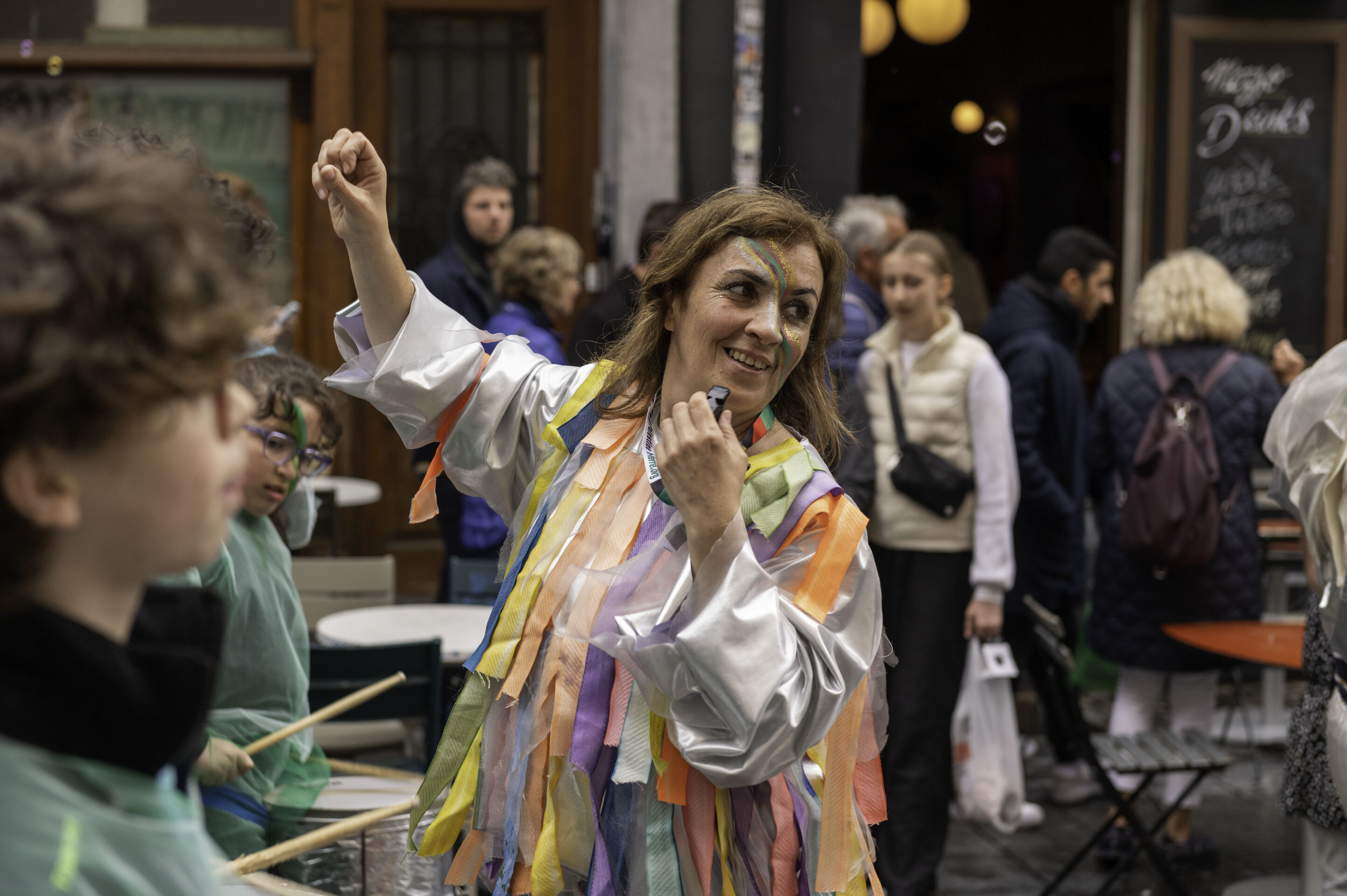
The Bridge, not just any theatre
Creating connection. Getting out of the bubbles through which we move in the city. These were, among others, important motivations for Artistic Director Edward McMillan to create The Bridge Theatre in 2021.
“I believe in the connecting power of culture and the power of engaging in the performing arts: either as a passive audience member, the theatre being a space like modern-day churches where people gather, see different perspectives, and are challenged emotionally and intellectually, or in a more active way through classes or other forms of participation. The Bridge Theatre wants to be a place where people can bond with others.”
Although establishing a home for professional English-language theatre in Brussels – a concept that exists in several European countries – formed the starting point for creating this theatre, its tagline leaves no doubt about its core mission: connecting through culture.
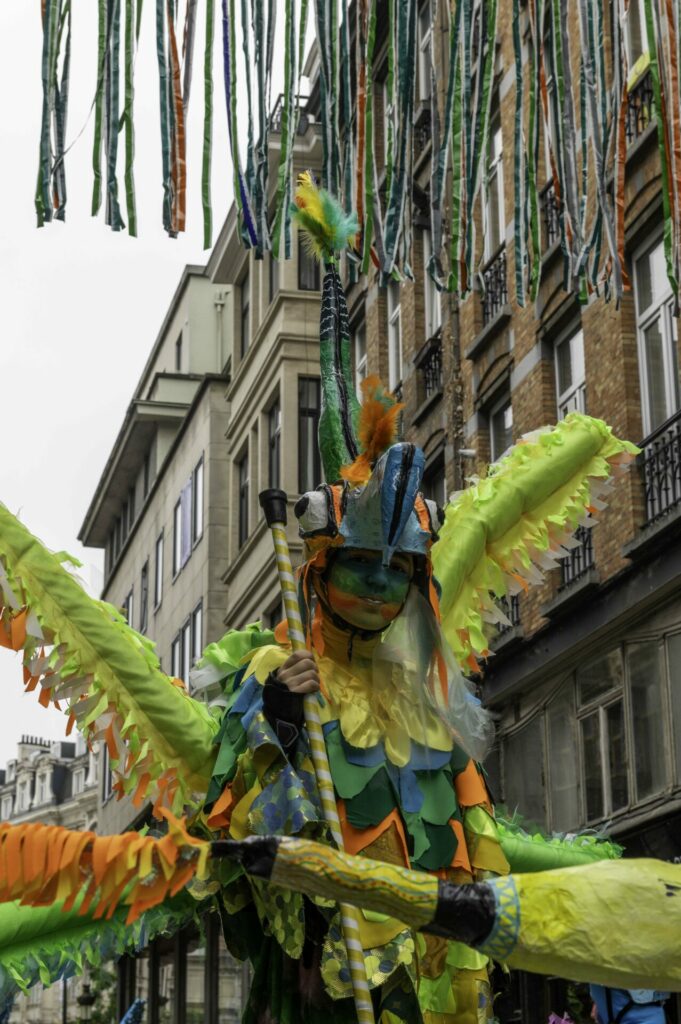
©Delphine Mathy
The connecting power of culture
Creating connection. Getting out of the bubbles through which we move in the city. Collaborating with Zinneke was, unsurprisingly, a logical step for The Bridge Theatre.
“We engage in four kinds of activities: we produce professional productions of socially relevant theatre; we work with schools to build confidence in English through theatre; we work with organisations, using theatre to train people in essential workplace skills; and we organise a wide range of workshops for individuals such as acting courses, musical theatre, a choir, public speaking coaching, drama therapy, and more. In this way, The Bridge Theatre uses the performing arts to bring different benefits to people’s lives. This is precisely why collaboration with Zinneke makes sense for us.”
Although Edward knew the biennial parade, and was in the audience during the 2024 edition, it only occurred to him to collaborate when someone he knew at Zinneke approached him last year. He didn’t need much time to consider his answer. “Our mission is very aligned: connecting people. And we live in a city where interactions between people with different frames of reference are sometimes quite limited. So, I thought ‘Yes, let’s do it, let’s do the connecting power of culture.’”
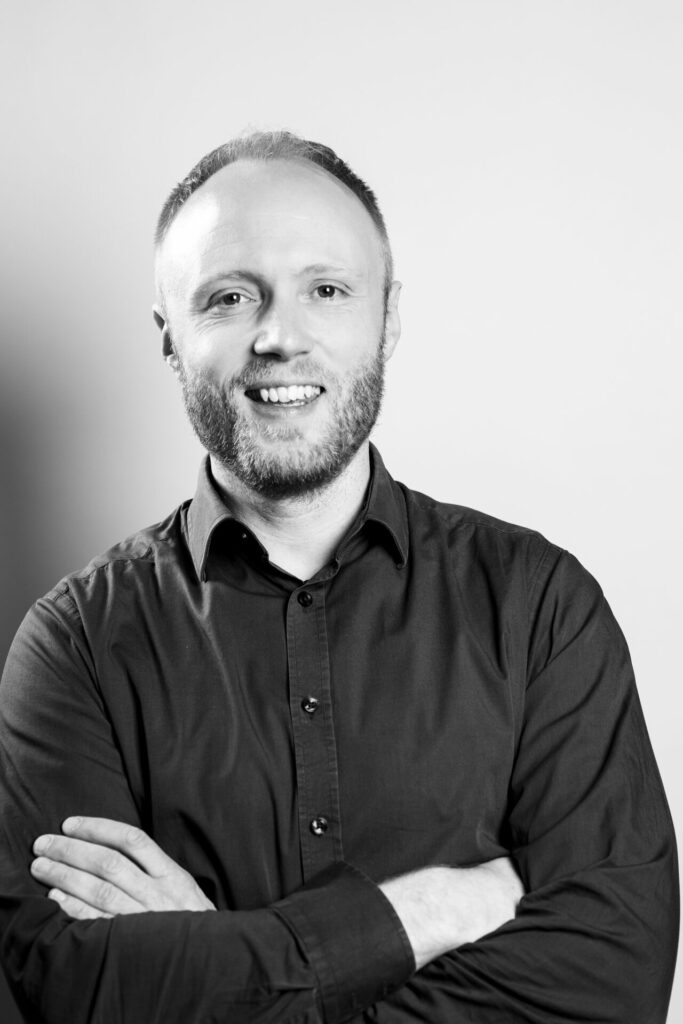
Edward McMillan, Artistic Director, Bridge Theatre
Reaching out
Edward and his team took some time to think about how to get involved, how a good collaboration could take shape.
“With around 120 people visiting us weekly in Saint-Gilles, we already had a nice audience to approach. However, these people are very diverse and do not constitute a single group. Which meant that the search for participants was more difficult than expected. We also noticed that a large part of our regular audience was not yet familiar with Zinneke, and that we needed to explain things more in detail: what Zinneke is, what the process involves, what the end result will be.”
Ultimately a mixed group of about 10 people will participate in the Zinneke ateliers of The Bridge Theatre. Some of them are known by Edward and his team; some are completely new. Some have already taken part in the parade before.
These ateliers take place every Monday evening at Mazui, Zinneke’s production centre. “Unfortunately, we couldn’t offer our own location for the workshops, simply because our studio wasn’t available anymore at any convenient time. For our participants, however, it’s an opportunity to get to know the production centre in the northern district of Brussels.”
Labyrinthe
The ateliers of The Bridge Theatre are part of the Zinnode called Labyrinthe, made up of different groups such as a fanfare, a dance group, students from Saint-Luc School, patients from a psychiatric hospital... Every couple of weeks on Saturday, these different groups gather for a moment called STOEMP.
The ateliers on Monday evening are led by Desislava Krsteva, a Brussels-based theatre director and actor, experienced in many different acting techniques. “Desi knows how to mould a group and guide them throughout their journey. When we asked her to take part in this project, she was delighted. I think she was excited by the challenge: not having a known end point, creating something with a group of people from different backgrounds, and having to fit into a larger creation with other groups and dynamics.”
“Desi is also very skilled in improvisation. This is important when you create a kind of narrative through mostly physical theatre, while also building a framework for a group that will need to improvise themselves as they interact with the audience. To symbolise the labyrinth, they use, for example, balls of string, which they will pass around, between themselves and to people in the street. It might sound like a logistical nightmare, but they’ll manage!
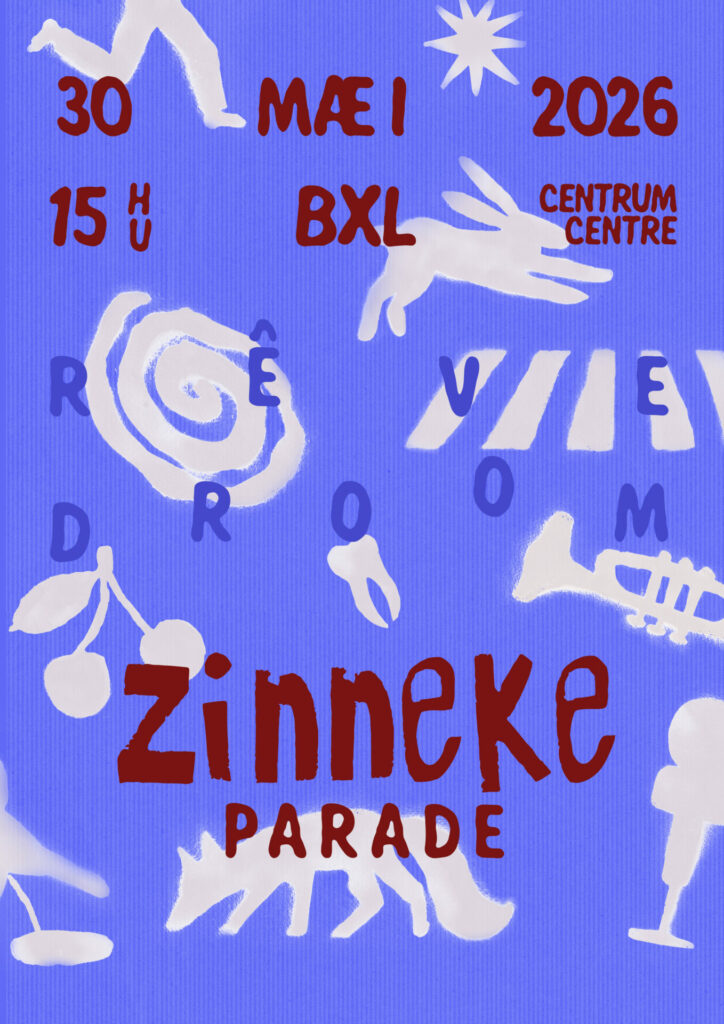
Do you want to come and see
Do you want to experience this connecting power firsthand? Mark your calendars…
When: Saturday, May 30, 2026 15:00
Where: Brussels City Centre
