
The European Economic and Social Committee has urged the European Commission to keep a “clear and credible” long-term signal in favour of zero-emission vehicles, while allowing low-emission vehicles to play a transitional role when they are used mainly in electric mode.
The Committee’s view is set out in an opinion adopted at its March plenary session on the Commission’s proposed Regulation on Clean Corporate Vehicles, the EESC said in a statement on Thursday.
The proposal is designed to increase the share of cleaner vehicles bought for company fleets.
The EESC stated the draft Regulation should prioritise zero-emission vehicles, but also recognise a short- and medium-term role for low-emission vehicles in supporting industrial adaptation.
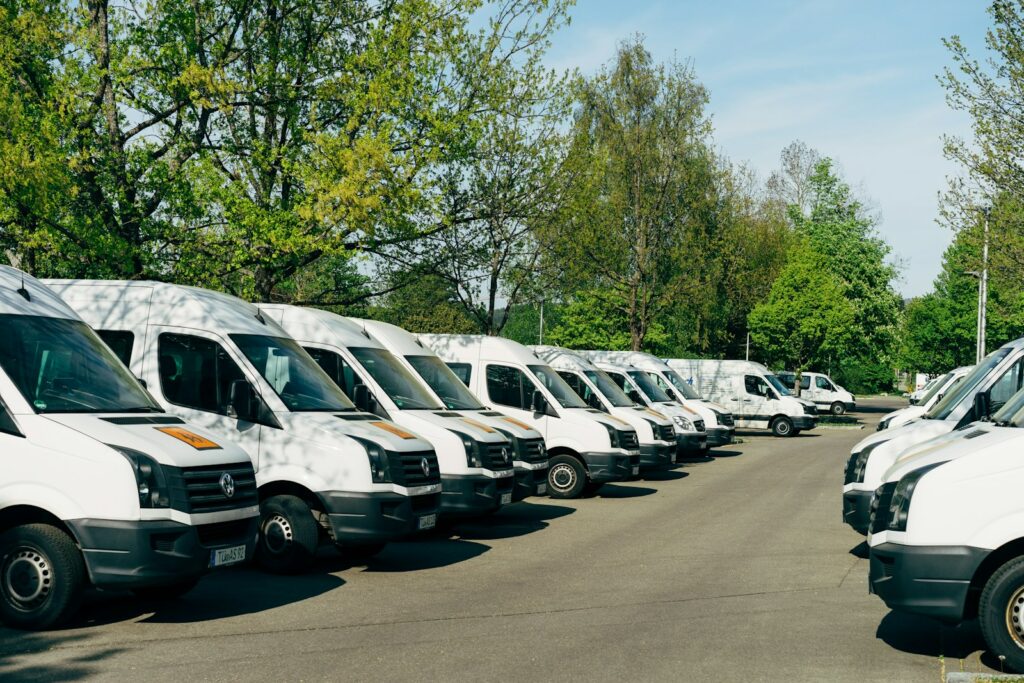
Corporate fleets are a key part of the market because they account for 60% of new car registrations and up to 90% of van registrations across the EU.
There are almost 290 million vehicles on European roads and about 6 million are zero-emission.
Targets, tax and oversight
Under the Commission proposal, member states would have to ensure that from 2030 a specified share of new corporate car and van registrations by large companies is made up of zero- and low-emission vehicles, with a separate sub-target for zero-emission vehicles for both cars and vans. The targets would vary by country.
The EESC said national targets should not be set below what the market is already delivering and should be accompanied by the roll-out of charging infrastructure and sufficient electricity grid capacity.
The Committee also called on member states to consider tax incentives to decarbonise corporate fleets, including removing direct and indirect advantages for fossil-fuel company cars.
It said the Regulation should set performance objectives rather than prescribe specific technologies, and called for EU-level oversight of national plans to assess progress and compare approaches across member states.
