
The war in the Middle East has put a strain on energy prices worldwide. In Brussels, households are already feeling the impact on their bills and at petrol stations.
With the help of energy expert Quentin Jossen and national energy industry group Engie, The Brussels Times has compiled some tips on how to save energy and reduce costs.
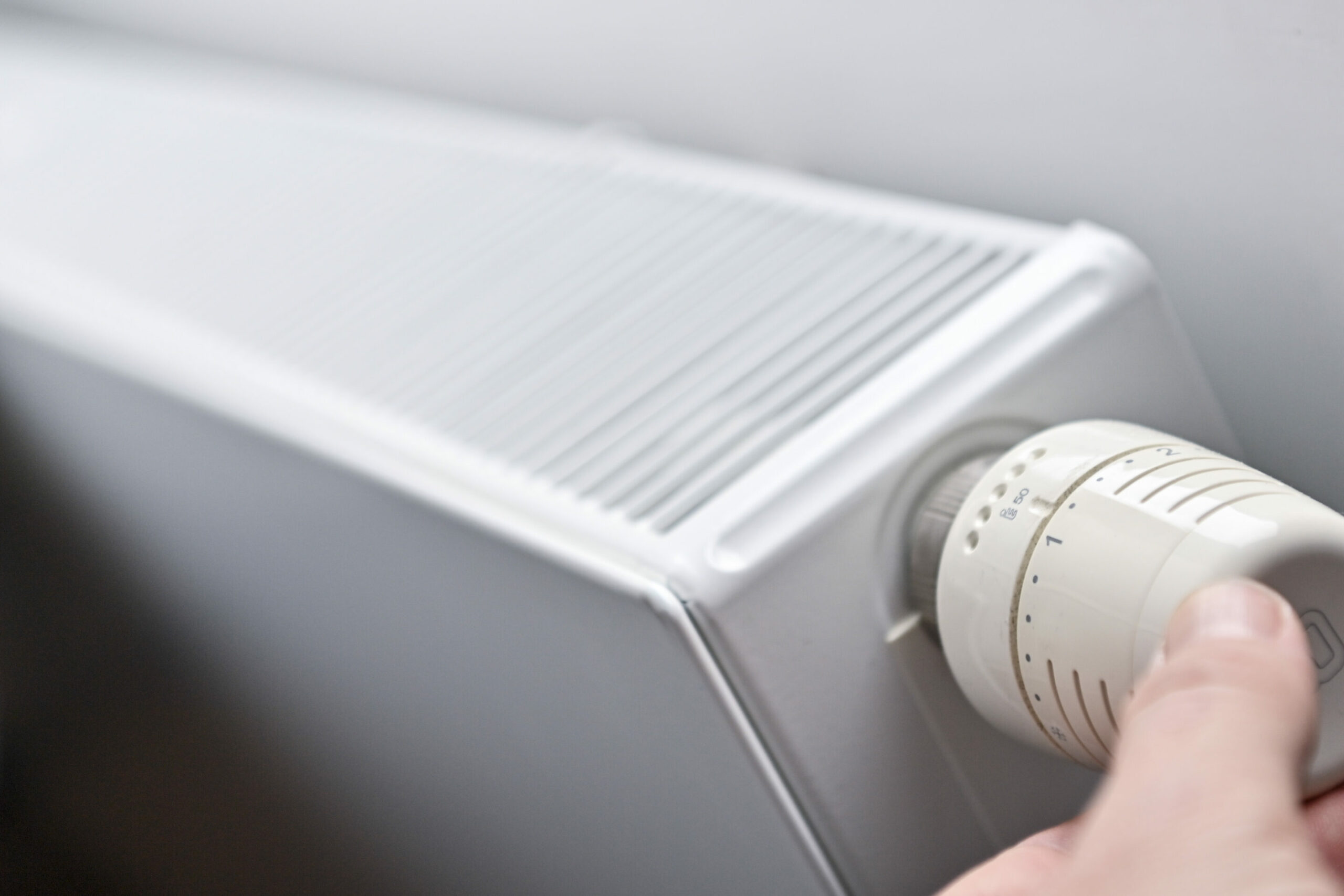
The most effective way to cut energy use, Jossen says, is to reduce heating consumption. Lowering the thermostat by just 1°C can reduce energy bills by around 8-10%, he explains.
Instead of heating the entire home, focus only on rooms that are being used and keep doors closed to retain warmth.
"When you are away, there is no need to heat your home fully. Keep it around 12°C just to avoid humidity issues," he adds.
Jossen explains that what is even more important is a shift in mindset. Focusing on warming up the body rather than heating the entire home is a first step in the right direction. "Wear a jumper, use a blanket. It costs nothing and can make a real difference."
Given that we have already ushered in sunny spring days, heating might not be the primary issue. Here are some small other changes you can start with.
Credit: Belga/ Dirk Waem
Household
There are plenty of ways to save energy in your household in the short and long term.
Bathroom
- Change the shower head to a low-flow one.
- Opt for showers instead of baths
- Use a timer on water heaters ensures they only heat water when needed
- Seal draughts around doors and windows
- Insulate water pipes so water stays warm when running.
- Descale your boiler
- Avoid covering radiators with towels, shirts and rags as this blocks heat circulation
- Do not leave your electric devices (toothbrush, razor, trimmer or other beauty appliances) plugged in non-stop
"Anything left plugged in for no reason still consumes electricity. Even one watt can cost €1 to €2 per year," Jossen explains.
This goes for televisions, computers, video game consoles, Wi-Fi routers, printers, hi-fi systems, chargers, set-top boxes, guitar amplifiers, night lights, synths, Wi-Fi extenders, and so on.
"Putting electrical devices on standby can account for between 7% and 18% of our 'unnecessary' electricity consumption. Given that one watt left on standby for a year costs several euros, you can generally save at least €400 per year, depending on how many devices you have," Jossen adds.
Credit: Unsplash
Kitchen
- Cleaning the extractor hood and other filters regularly
- Keep the fridge at around 5°C for optimal efficiency
- Defrost the freezer regularly
- Descale the dishwasher often
- Avoid leaving fridge or freezer doors open, as this forces the appliance to work harder
Even cooking habits matter:
- Switching off the oven a few minutes before the cooking time is finished will make your food continue to cook gently
Jossen explains: "Water boils at 100°C whether bubbles are big or small. Turning up the heat beyond that just wastes energy."
Other rooms
- Use radiator foil to direct heat into the room rather than into the walls
- Close doors when leaving a room
- Switch off the lights when leaving a room (If you can never remember to turn off the lights, there are movement sensors available that can switch them off automatically)
- Use power strips so that you can easily switch on and off multiple devices
- Use a drying rack whenever you can
Biggest energy-consuming appliances
When purchasing a new appliance, the energy label is paramount. It gives an indication of how much energy the appliance consumes in relation to the service it provides. A better energy label means less energy use.
Appliances account for almost 30% of Belgian households' energy bills, according to Olivier Desclée, Engie's spokesperson. The most energy-hungry? Tumble dryers, refrigerators, TVs, dishwashers, decoders and irons.
Desclée gives additional tips when it comes to managing/buying appliances:
- Choose A-rated appliances, which consume 20% to 50% less energy than lower-rated ones
- Avoid placing your fridge next to the oven
- Wash your clothes at 30°C, which saves up to 30% on your washing machine's electricity consumption.
- Fill your machine properly, "your hand should still be able to fit inside," he says
- Spin at maximum speed before using a tumble dryer
- Smart and connected systems can help you monitor your lighting consumption and control it remotely
- Switch to LED bulbs instead; they use much less energy and last longer than halogen or incandescent bulbs
On the road
"When it comes to transport, the first question is simple," says Jossen. "Do you really need the car?"
If driving is necessary, adopting eco-driving habits can cut fuel consumption by up to 20 to 30%, he suggests:
- Anticipate traffic and avoid sudden braking
- Maintain steady speeds
- Check tyre pressure regularly to reduce resistance
An SUV on the road. Credit: Belga/ Bruno Fahy
Smart tariffs and 'happy hours'
Starting in April, Belgian households on variable-rate energy contracts started paying 20% more than before, and costs are expected to soar even higher. This has prompted the question of whether one should switch to a fixed-term contract.
Many of the energy-saving tips promoted during the 2022 energy crisis remain just as relevant today, Desclée explains. However, the context has evolved.
As the share of renewable energy grows, electricity prices are becoming more volatile and can even drop significantly at certain times of day.
"Thanks to renewables, there are moments when electricity is abundant and cheaper. The system has completely changed compared to before," he said.
Some suppliers now offer so-called "happy hours" in which electricity is free during specific periods. For example, users with a smart meter and a dedicated app can receive notifications when electricity is free, typically during periods of oversupply.
These offers are still relatively new and depend on market conditions, but they illustrate how flexibility can lead to savings.
Traditional day/night tariffs are gradually disappearing and are being replaced by more flexible systems.
In some cases, prices can even become negative, meaning users are effectively paid to consume electricity.
