
Belgium's food safety agency is set to face budget cuts in the coming years despite a record number of consumer complaints filed in 2025. What does this mean for consumers, and how does food safety work in Belgium?
Last year, 6,268 food safety complaints were filed by consumers in Belgium, marking a 20% increase compared to 2024.
Most complaints related to hygiene (32%), possible food-related illnesses (25%), and storage methods (18%), including issues with expiration dates.
Similar complaints were made across Brussels, which had a total of 1,017 complaints filed last year, 59% of which were justifiable according to the Belgian Federal Agency for the Safety of the Food Chain (FASFC). The figures are notably higher than in 2024, when 758 complaints were made relating to businesses in Brussels.
Rising concerns & Brussels food scene
The number of food safety complaints in Belgium has been rising every year over the last five years, according to FASFC's spokesperson Hélène Bonte. Complaints are made to FASFC online or over the phone.
In Brussels, complaints related to food safety are not unusual, as the region has a high concentration of food businesses, according to Bonte.
Additionally, factors such as language barriers, pest problems typical of urban settings, and socio-economic vulnerabilities can further impact compliance with food safety rules in the capital.
But the rising trend of complaints is not necessarily a reflection of how safe food is in the country.
“I think it's more that it's on the top of people's mind…because it's not only the complaints rising, it's also the questions about food safety that are increasing,” Bonte told The Brussels Times, adding that the country has not had a widespread food safety incident since the chocolate-related salmonella outbreak in 2022.
Targets of complaints & inspection rules
In the majority of cases, food safety concerns in Belgium involve B2C establishments, such as restaurants, food shops, and catering services.
“It's not because there is a bigger problem in this sector but because consumers are directly in touch with these types of enterprises,” said Bonte.
Food establishments, as well as manufacturers, are subject to inspections by FASFC. These include "regular inspections”, which are carried out at a set frequency depending on the risk associated with the type of company or establishment. The frequency is determined by experts at FASFC.
Inspections for restaurants and bakeries, for example, happen every four years, while manufacturers of baby food are inspected every two years.
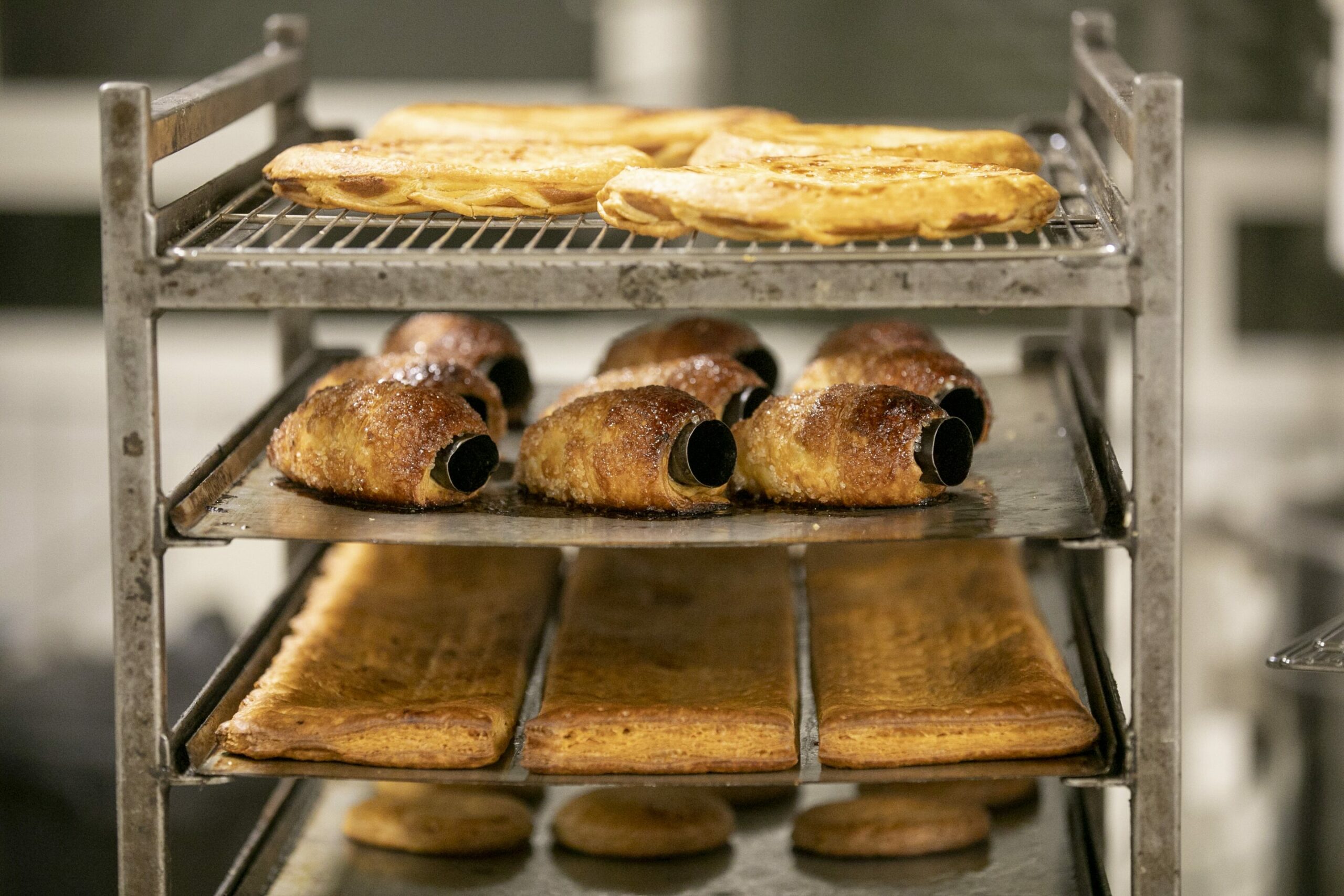
Illustrative image of baked goods. Credit: Belga/Hatim Kaghat
Around 107,000 regular inspections are completed annually across the country. “If necessary, we can increase the frequency for a specific business if we see the same infractions every time,” said Bonte.
Additional visits by FASFC inspectors are typically carried out if problems are found in a first inspection. Consumer complaints are also investigated and can result in inspections.
Notably, not every food safety-related issue or concern will result in a business being (temporarily) shut down, as not every infraction will pose a direct risk to the health of consumers.
The results of the FASFC inspections are publicly available on the agency's website.
Budget cuts to jeopardise consumer health?
Despite the increased food safety complaints across the country, FASFC is expected to face a budget cut under the Arizona government.
The consumer group Testachats denounced the measure in a statement in January. “This decision jeopardises not only consumer health, but also the trust and sustainability of the entire food chain.”
The group urged the Federal Government to scrap the plan, particularly considering the budget restrictions the agency has already faced during previous governments. “The financial ‘gain’ from these savings pales in comparison to the astronomical societal and economic costs of a new crisis,” a Testachats spokesperson said.
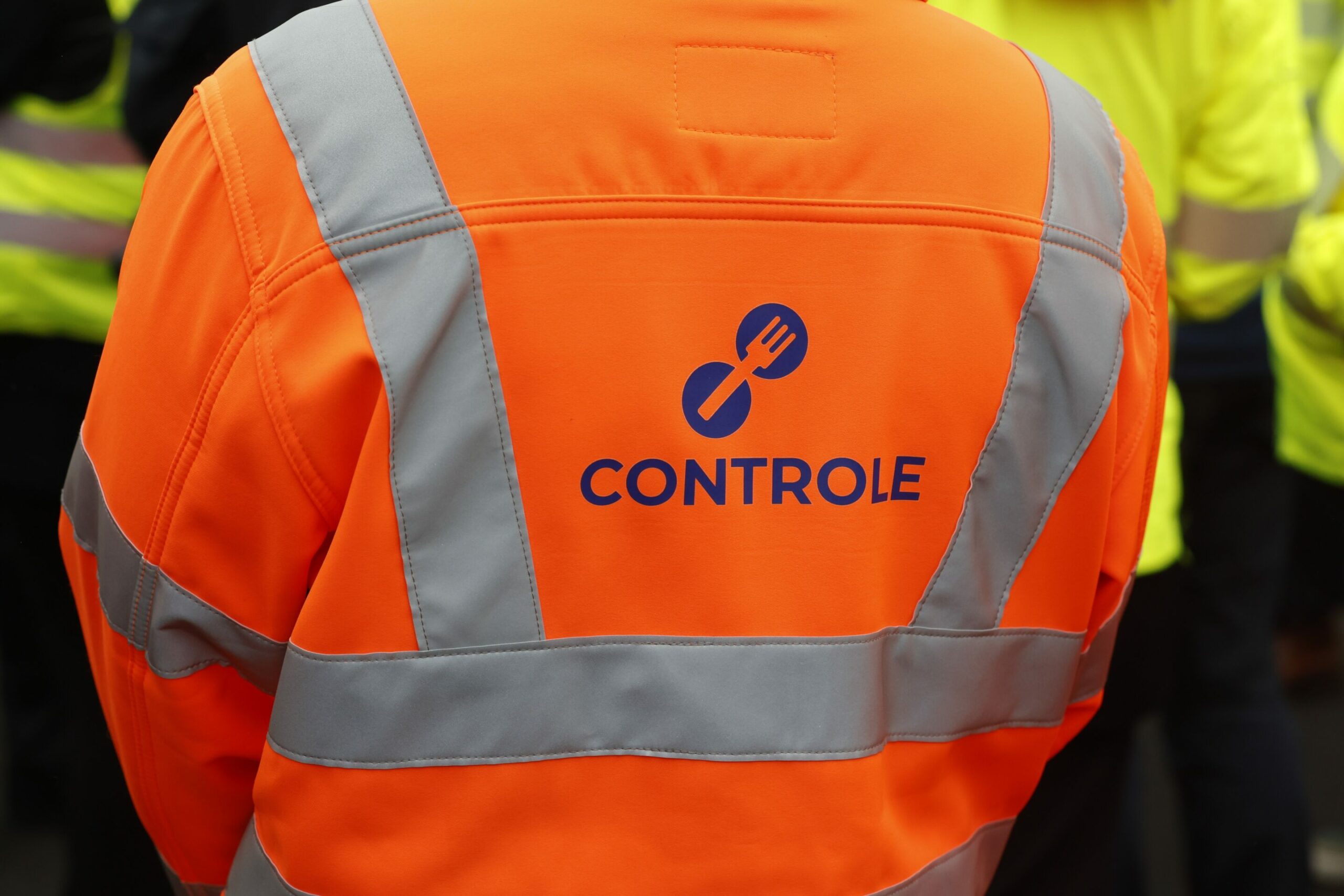
Illustrate image of food inspectors. Credit: Belga/Nicolas Maeterlinck
While Bonte confirmed that the agency will have to operate with a reduced budget, "like every governmental organisation”, she noted that the exact details are yet to be determined.
For the same reasons, the practical implications are yet to be evaluated. However, Bonte said there may be fewer food safety inspections, but without compromising overall food safety.
“We're doing the exercise right now, with all our people in the agency on how we can optimise our work,” she said.
Additionally, Bonte noted that enterprises already have to regularly pay a type of yearly contribution to the agency, which makes FASFC less financially dependent on the government than other organisations.
The Brussels Times contacted the Federal Minister for Agriculture David Clarinval (MR) for comment but did not receive a response at the time of publication.
