
To address high fuel prices, Germany plans to reduce taxes on diesel and petrol by approximately €0.17 per litre for two months.
The German government announced on Monday that this measure could help consumers and businesses save around €1.6 billion in fuel costs.
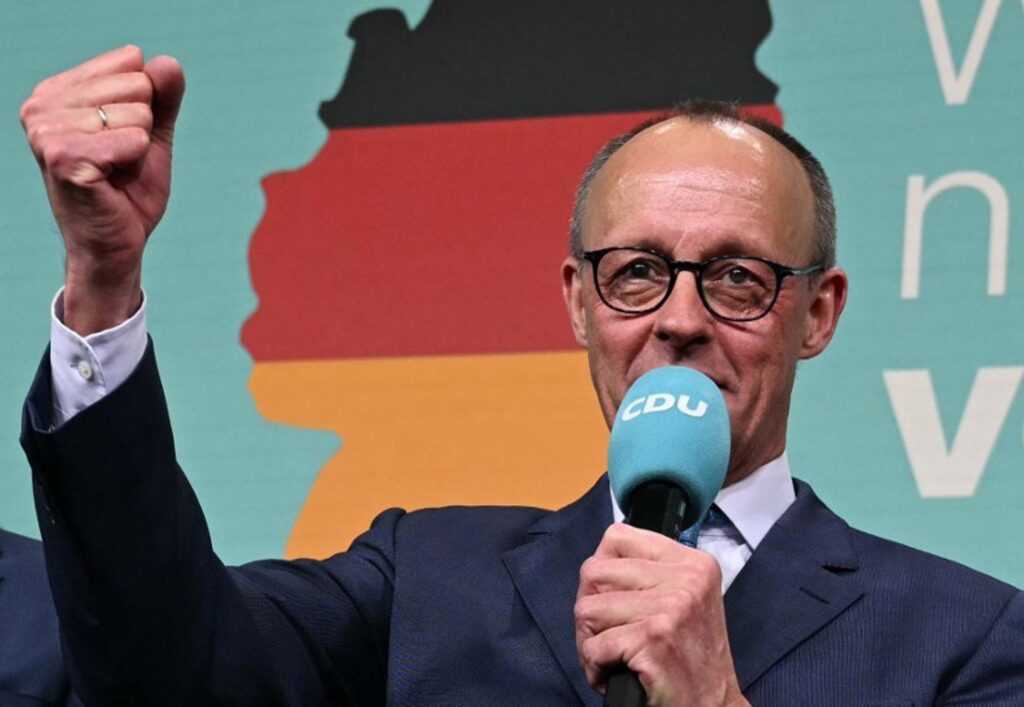
Chancellor Friedrich Merz stated the move should provide rapid relief for drivers and companies. Officials anticipate that the oil industry will pass on the tax reduction to end users.
Labour Minister Bärbel Bas confirmed the estimated savings and revealed that employers might be allowed to offer a tax-free compensation bonus of €1,000 in 2026.
To offset lost revenue from the fuel tax cut, the government plans to increase tobacco taxes in 2026. It also referred to the European Commission’s intention to investigate imposing windfall taxes on the oil sector, akin to emergency measures from 2022.
Chancellor Merz warned that Germany would likely feel the effects of the Middle Eastern conflict for a long time, even after it ends. He emphasised the need to prepare for extended economic and household pressures.
In early April, leading economic institutes predicted that the ongoing energy shock would slow Germany’s economic recovery. They forecast GDP growth of 0.6% in 2026 and 0.9% in 2027, both lower by 0.6 and 0.5 percentage points, respectively, compared to autumn projections.
