
Good afternoon from Avenue Louise.
Katie Westwood here, dishing up another serving of Belgian news for an English-speaking audience.
On Sunday, all eyes were on Hungary as voters went to the polls, resulting in a crushing defeat for Viktor Orbán and his Fidesz party. You could practically hear the sighs of relief emanating from the Berlaymont building yesterday evening as it became clear that Orbán – who has been a major thorn in the EU’s side for many years now – would lose to his rival Peter Magyar.
There was doubtless a similar sense of relief in the prime minister’s residence over on Rue de la Loi. Bart De Wever will be hoping that Orbán’s departure will enable the EU to unlock a long-promised €90 billion loan to Ukraine and finally put to bed talk of unfreezing Russia’s assets held in Euroclear in Brussels.
Away from high politics, we at The Brussels Times are retaining our focus on the city’s urban landscape and questioning why things are the way they are and how they can be improved for everyone’s benefit.
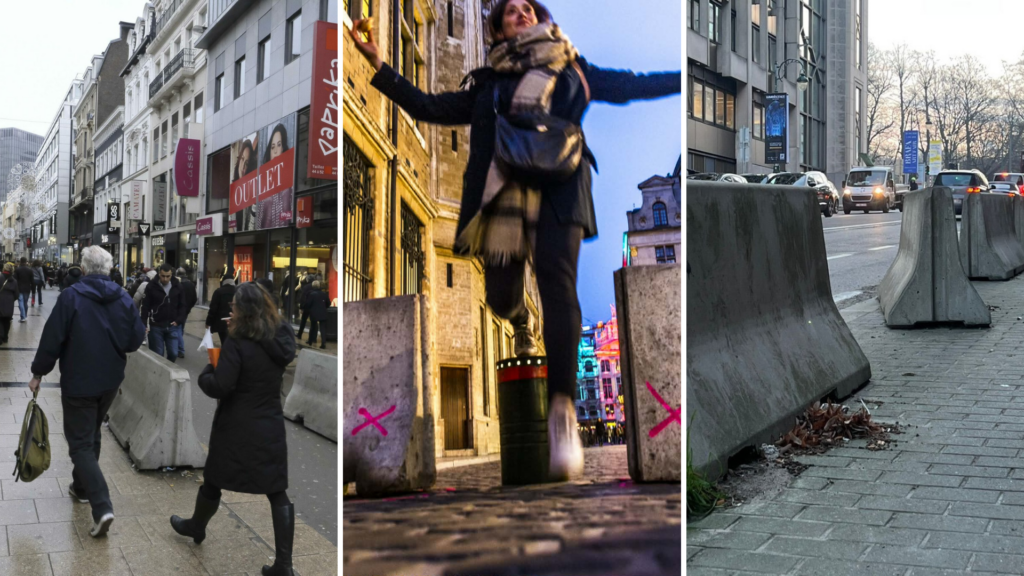
Reporter Léa Huppe has written an insightful piece on an unsightly feature of the city’s 21st century urban landscape: concrete blocks in its streets, parks and squares.
Before reading Léa’s article, I had blithely assumed the blocks were simply safety measures designed to stop terrorist attacks. But as Léa explains, they have become much more than that in recent years. Now, they are used for “tactical urbanism” purposes: to change traffic flows and implement bike lanes and new mobility schemes.
They might be practical, but they are most definitely an eyesore. Street furniture doesn’t have to be ugly, and residents are understandably fed up with seeing these grey monstrosities everywhere. One activist group – mercyforthebrusselsjerseys – has shared more than 1,000 posts documenting them across Brussels and asking where there are more concrete blocks in the city than benches.
Léa explores the legal and political machinations around the concrete blocks and makes the wry observation that Brussels has once again succeeded in “turning the temporary into something almost institutional”.
Continuing our series on Brussels’ cleanliness problem, guest contributor Reza Farsi Madan examines how the city’s institutional fragmentation contributes to its inability to deal with rubbish.
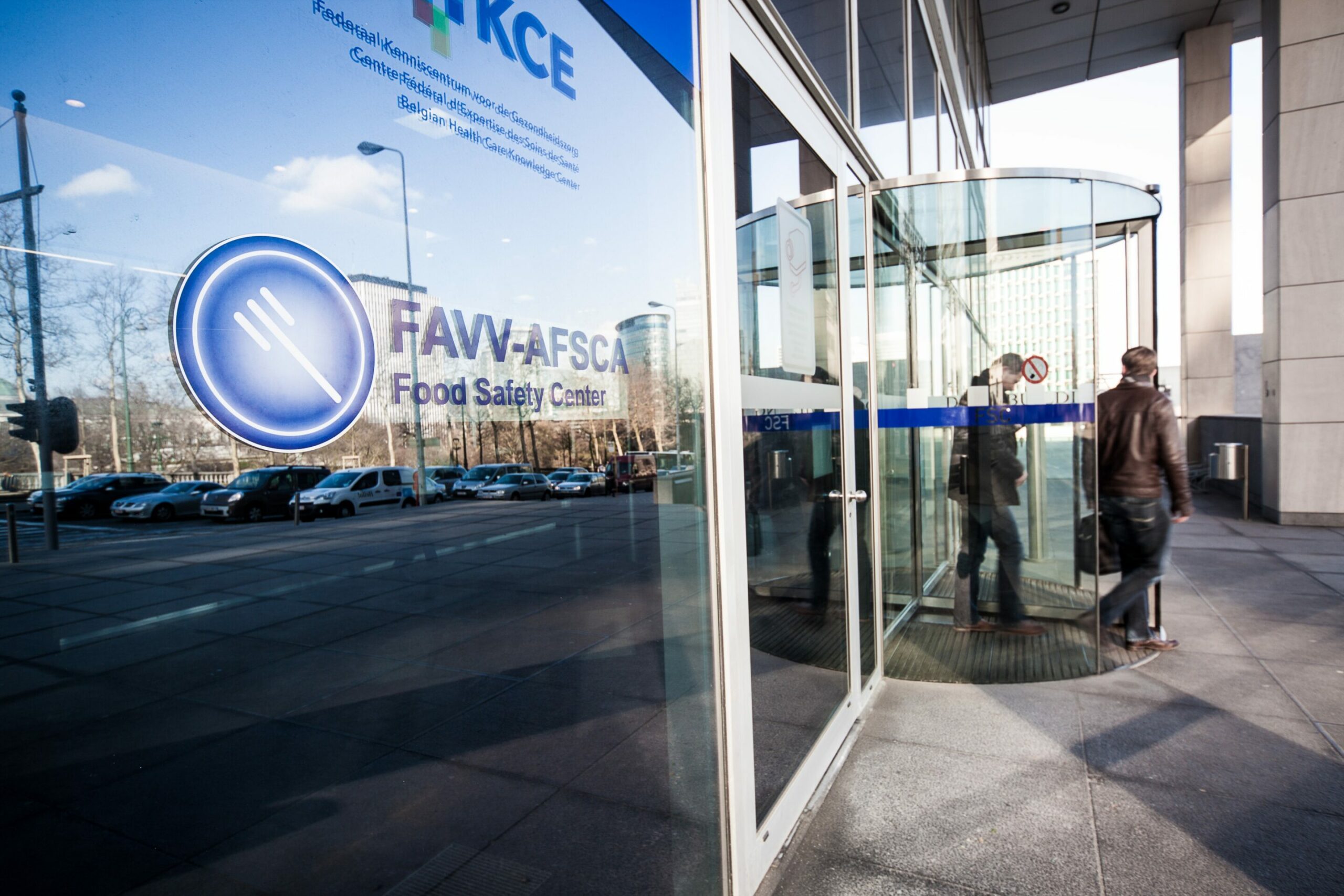
Elsewhere, Health and Social Affairs reporter Rita Alves looks into food safety in Belgium amid a record number of consumer complaints in 2025. Amid these pressures, Rita explores what the likely impact of budget cuts will be on the country’s food safety agency.
Bye for now!
Belgium in Brief is a free daily roundup of the top stories to get you through your coffee break conversations. To receive it straight to your inbox every day, sign up below:
1. Brussels’ concrete blocks: The ‘temporary’ solution that became permanent and political
Concrete blocks were never meant to define Brussels’ streets, but they do today – with different public entities even fighting over their presence. Read more.
2. Food safety in Belgium: Concerns over budget cuts amid record complaints
Belgium's food safety agency will have to grapple with budget cuts despite a record number of consumer complaints filed last year. Read more.
3. Brussels’ dirty streets: Who’s really responsible?
Brussels is struggling to stay clean, with just 21 inspectors across 19 municipalities and a system under strain. Read more.
4. Hundreds turn out for silent march for woman, 24, killed in her own home in Brussels
Before her death, Gloria Odia is said to have filed several complaints with the police against her ex-partner. Read more.
5. Explosion heard in Saint-Gilles on Sunday night
Residents of the Brussels municipality reported hearing a loud explosion late on Sunday, but the cause remains to be determined. Read more.
6. Hungarians voted ‘for Europe and the rule of law’, says Belgian Foreign Minister
Foreign Minister Maxime Prévot described Sunday's election result as a "historic moment for Hungary and for Europe." Read more.
7. Homeless man found dead inside Brussels metro station
A STIB staff member spotted the victim moments after the station opened. Read more.
