

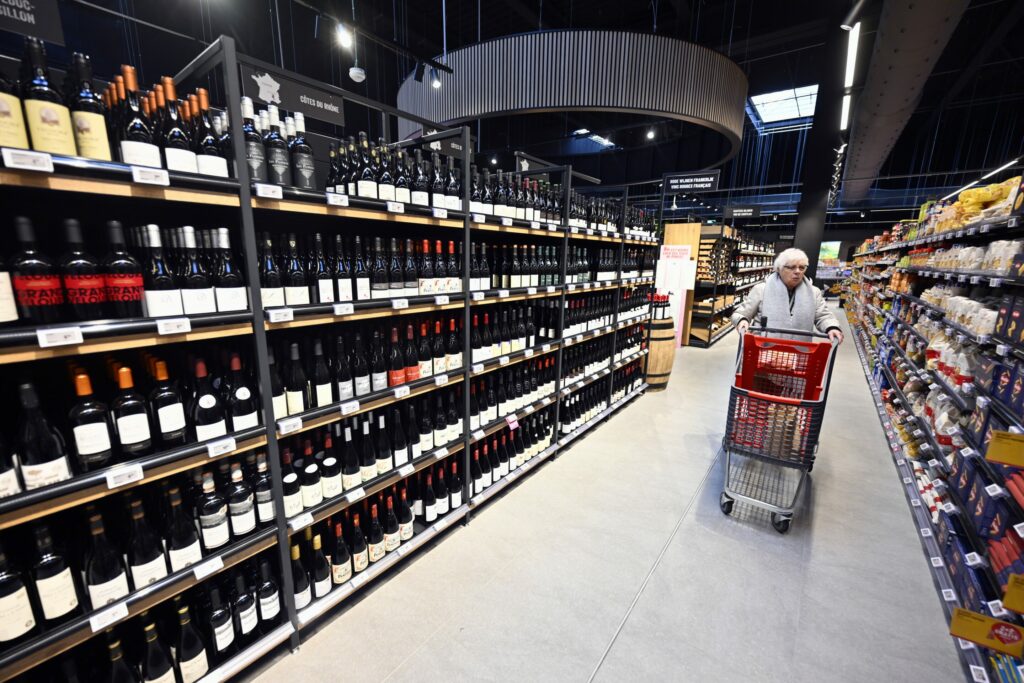
Despite declining alcohol consumption in Europe, alcohol remains significantly overproduced in the EU.
In 2026 alone, the EU spent €40 million managing surplus wine production—funds that could instead have gone to public health, social support, or community wellbeing. This structural imbalance creates ongoing pressure on the industry to sustain demand, leading to increasingly targeted alcohol marketing aimed at specific, often vulnerable groups.
One clear example is the role of alcohol sponsorship in Pride events across Europe. LGBTQ+ communities continue to face higher levels of minority stress and mental health challenges compared to the general population, making social spaces such as Pride essential for fostering belonging and safety. While alcohol companies contribute to Pride’s message of inclusion and equality, many events have become reliant on their funding.
This creates a contradiction: an industry linked to increased health risks becomes financially embedded in spaces centred on wellbeing and rights. Although such sponsorship enables large-scale organisation, it raises the question of whether public institutions should play a stronger role in ensuring that cultural movements are not dependent on industries that profit from harm.
Furthermore, alcohol marketing is directed specifically at mothers through brands such as “Mom Juice.” These campaigns frame wine as a deserved reward for the stress of parenting, presenting alcohol as self-care and emotional relief. The messaging is soft, relatable, and aesthetic, but risks normalising drinking as a coping mechanism.
This is particularly concerning given evidence that alcohol worsens anxiety, sleep, and long-term mental wellbeing, especially for those already under stress. It also contributes to a broader cultural pattern in which alcohol becomes embedded in everyday family life and emotional management, rather than being recognised as a risk product.
A third concern is the increasing use of digital tools to target emotional vulnerability, illustrated by Heineken’s experimental WhatsApp concept. Users who send longer or emotionally expressive voice messages receive a reply saying they “could have a Heineken,” along with free beer vouchers and recommendations for nearby bars.
This frames emotional distress as something to be solved with a drink rather than through support. Loneliness is a recognised risk factor for poor mental health, and effective responses rely on social support and care, not alcohol. Framing drinking in this way risks reinforcing harmful coping behaviours and turning vulnerability into a marketing opportunity.
Across Pride events, parenting narratives, and digital platforms, alcohol is repeatedly positioned as a substitute for support, funding, or wellbeing. This reflects a broader policy gap: when public investment and protective regulation are lacking, commercial interests step in to fill the void—often in ways that reinforce harm.
Addressing this requires more than awareness. It demands stronger public support for community spaces and civil society, alongside tighter regulation of alcohol marketing, especially when it exploits stress, loneliness, and vulnerability. Those under pressure need access to mental health services and social support, not marketing that presents alcohol as a solution.
Vulnerability should not be a business model.
