
The EU has adopted its 20th package of sanctions against Russia over the war in Ukraine, including 120 new individual listings and measures targeting energy revenues, banks, trade and cryptoassets.
The package includes the legal basis for a future ban on providing maritime services linked to Russian crude oil and petroleum products, in coordination with the G7 and other countries participating in the oil price cap, the Council of the EU announced on Thursday.
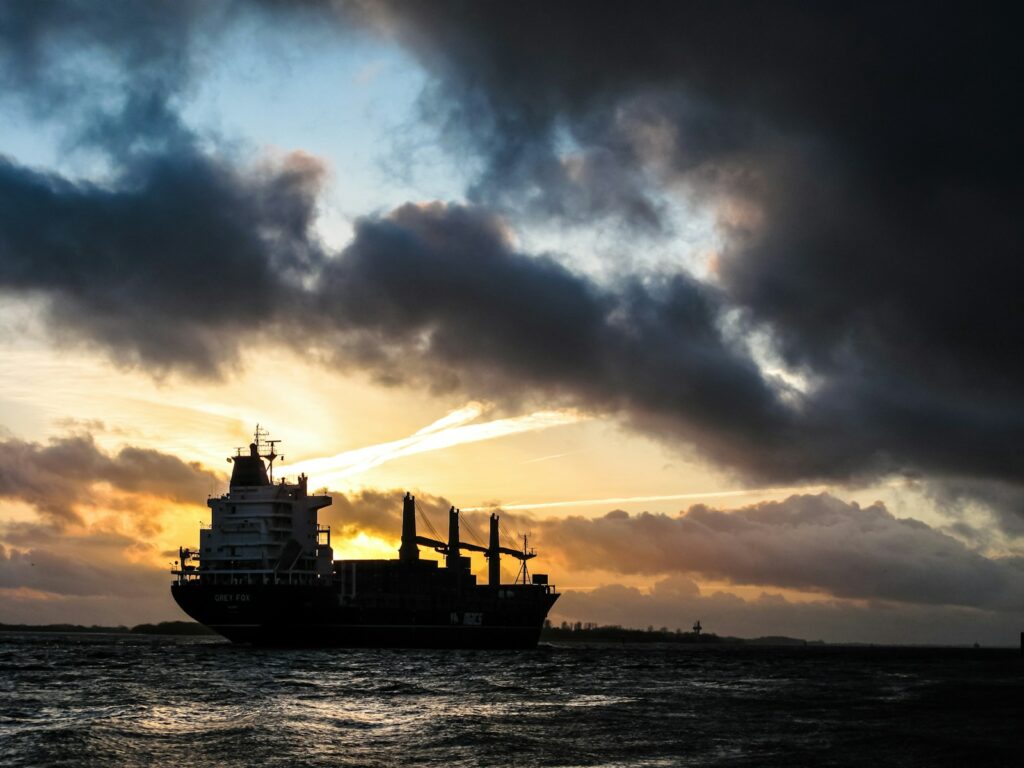
A further 46 vessels were added to an EU port access ban and a ban on providing a wide range of maritime transport-related services, taking the total number of listed vessels to 632.
The measures target non-EU tankers described as part of a “shadow fleet” used to circumvent the oil price cap, and vessels accused of supporting Russia’s energy sector or transporting military equipment or stolen Ukrainian grain.
Maintenance and other services for Russian liquefied natural gas — LNG, gas cooled into liquid for shipping — tankers and ice-breakers were also banned.
From January 2027, providing LNG terminal services to Russian entities, or entities owned or controlled by Russian nationals or operators, will be illegal.
Transactions were banned with two Russian ports — Murmansk and Tuapse — and with an oil terminal at the port of Karimun in Indonesia, which the Council said are used to circumvent the oil price cap.
Banks, crypto and trade restrictions
A transaction ban was imposed on 20 Russian banks, the Council said.
Four financial institutions in third countries were also targeted with transaction bans for allegedly helping to circumvent EU sanctions or for connecting to Russia’s System for Transfer of Financial Messages.
The EU also introduced a sector-wide ban on cryptoasset providers and platforms established in Russia that allow the transfer and exchange of cryptoassets, and banned transactions in a cryptocurrency called RUBx. It also banned EU support for the development of the digital rouble.
On trade, the EU said it was using its anti-circumvention tool for the first time by prohibiting exports of computer numerical control machines — automated machine tools used in manufacturing — and radios to Kyrgyzstan, citing a high risk that the products could be re-exported to Russia.
Additional export restrictions were agreed on a range of goods including laboratory glassware, certain lubricants and additives, certain chemicals, tools for metal production and industrial tractors, worth more than €360 million.
The EU also introduced new import restrictions on goods it said generate significant revenues for Russia, including certain raw materials, metals and minerals, and scraps of steel and other metals, worth more than €570 million.
