
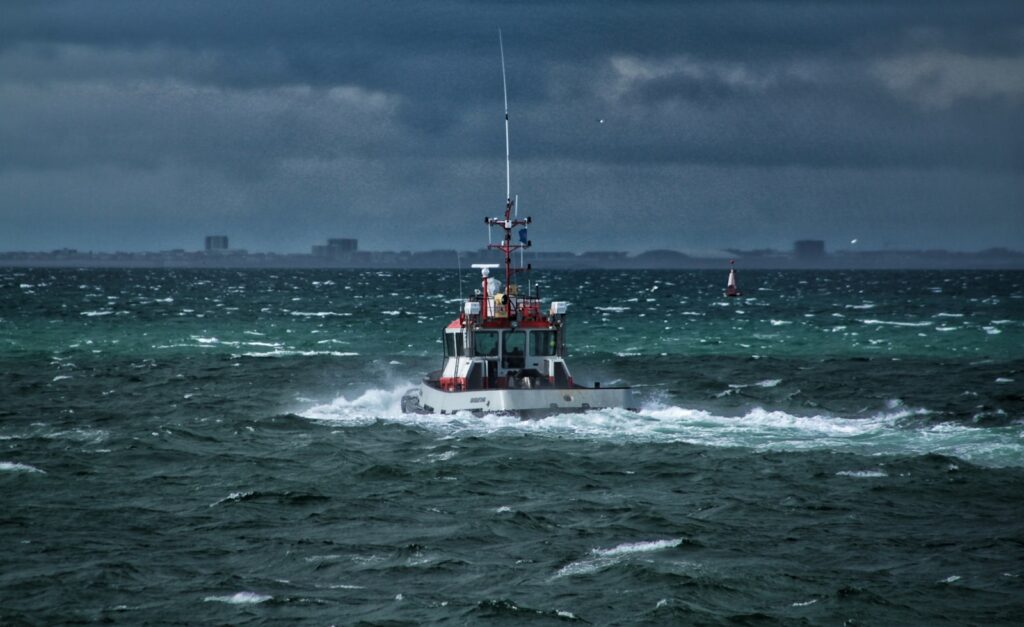
The EU’s fishing fleet has shrunk over time but still shows an imbalance between its capacity and the fish resources available, according to a new European Commission study.
The study found the fleet’s capacity has declined — indicating fewer or less powerful vessels — but said this has not fully resolved long-running structural mismatches between the fleet and available fishing opportunities, the Commission reported on Tuesday.
Those imbalances are often linked to weak economic performance, with rising operating costs, market volatility and pressure on fish stocks cited as contributing factors.
The study also listed challenges affecting the sector’s longer-term viability, including climate change, biodiversity loss and increasing costs,.
It flagged an ageing fleet and workforce as constraints on resilience and competitiveness, and pointed to vessel modernisation, improved working conditions and an “energy transition” — shifting to lower-emission energy sources — as areas to address.
How the findings feed into EU fisheries rules
The Commission said the study will feed into ongoing work linked to the evaluation of the Common Fisheries Policy (CFP) regulation, the EU’s framework for managing fishing activity and fish stocks.
Fishing capacity is regulated under the CFP to maintain a stable balance between the EU fleet and available fishing opportunities.
The study also reviewed international experiences and alternative ways of measuring fishing capacity, with the potential to improve the effectiveness of EU fleet management.
It was commissioned by the Commission’s European Climate, Infrastructure and Environment Executive Agency (CINEA) and carried out by external experts drawing on data analysis, sea-basin case studies and stakeholder consultations.
