
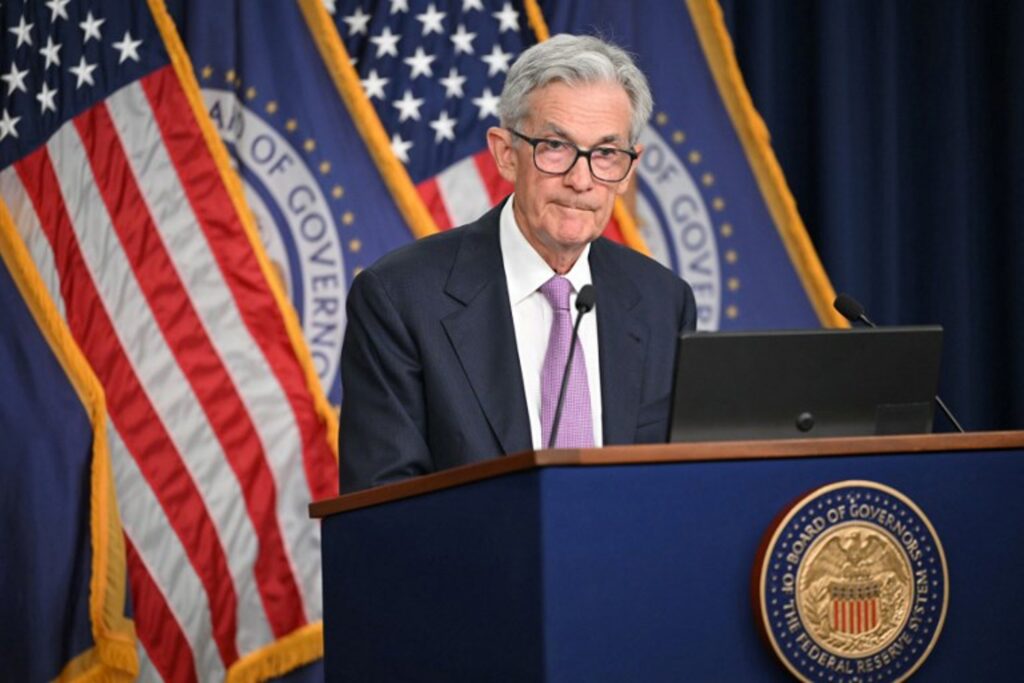
The US Federal Reserve has kept its key interest rate unchanged for the third consecutive time, holding it steady at 3.5% to 3.75%.
The bank, chaired by Jerome Powell, cited elevated inflation partly driven by the recent rise in global energy prices as the reason for its decision.
Analysts had widely anticipated the move, although the vote by policymakers was not unanimous. Eight members, including Powell, supported the decision, while four opposed it—a level of dissent not seen since 1992, according to a spokesperson.
The Fed aims to achieve maximum employment and limit long-term inflation to 2%, according to its statement.
However, developments in the Middle East have heightened uncertainty about the economic outlook.
The central bank remains vigilant about risks to both goals and is committed to closely monitoring data, forecasts, and risks. It stated that it is prepared to adjust its monetary policy approach if threats to growth and inflation targets emerge.
Three dissenting members agreed to keep interest rates steady but objected to a reference in the statement suggesting a possible tilt towards monetary easing. The fourth dissenter advocated for an immediate rate cut, citing differing priorities.
By maintaining interest rates, the Fed has ignored calls from President Donald Trump, who has pushed for lower borrowing costs to stimulate the economy, boost stock markets, and reduce government debt expenses.
