
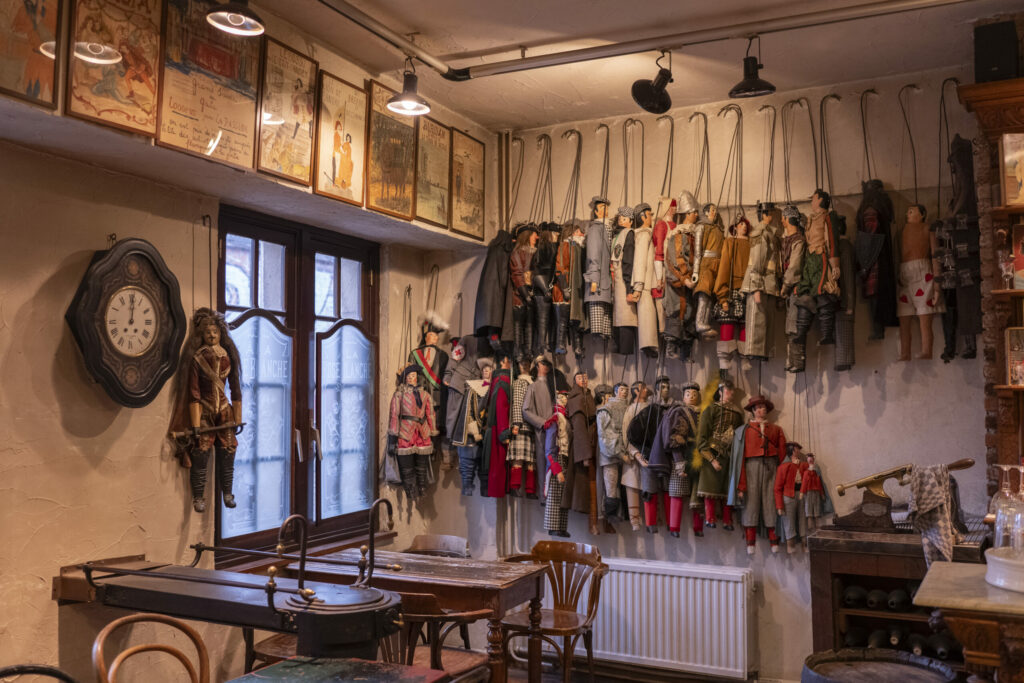
On the occasion of the Europe Day celebrations this week, Press Club Brussels Europe is formally opening an exhibition on Tuesday evening of sites in the EU that have been awarded the European Heritage Label (EHL).
The exhibition presents the most recently awarded sites together with previous selections of sites to show the diversity of the European heritage. It emphasises how these sites tell stories of people, cultures, and historical moments. It also underlines the role of heritage as a living process, linking past, present, and future.
The EU action for the EHL was established in 2011 following a decision by the European Parliament and the Council. The action aims at "strengthening European citizens’ sense of belonging to the Union, based on shared values and elements of European history and cultural heritage, as well as an appreciation of national and regional diversity and strengthening intercultural dialogue".
The EHL Bureau, which manages the EHL community, describes it as a key European initiative that highlights exceptional sites not only for their historical significance. By preserving these sites, the EHL Bureau is promoting European ideals and supporting the European integration process. Each site can be seen as a chapter in the story of Europe.
“Summer is the perfect time to head for the coast – but it’s also a chance to dive into European culture,” comments Vincent Curie, Director of the EHL Bureau. “The EHL is a living museum that stretches across the continent. Each site tells a story that embodies our shared European identity. Wherever you are, there is likely an EHL site nearby.”
Five Belgian sites
The action is open to participation, voluntarily, for all EU Member States (excluding, for the time being, candidate countries). The pre-selection of sites for the attribution of the label is under the responsibility of the Member States. Each Member State may pre-select up to two sites every two years. Until now, 80 sites in 23 EU Member States have been awarded the label.
For the full list of EHL sites, click here. Some countries are more represented than others, leading to some geographical imbalance. Denmark, Sweden, Cyprus and Ireland are not yet represented – but not due to a lack of sites with a historical significance for Europe.
Sweden, for example, last year adopted a “cultural canon” consisting of a list of 100 works in all art forms, as well as social institutions and legislation that have been created over the years. They constitute a common frame of reference and core values that should contribute to increased understanding and cohesion across provincial borders, political opinions, origin, religion, gender and age.
Belgium is well represented in the list by five sites. "There are some Belgian sites that are still relatively unknown to the wider European public, such as the Toone Theatre and the Migration Museum," said Sofie Rosati, art historian and project manager at the EHL Bureau.
The Migration Museum in Molenbeek, selected in 2019, gives a view of the various waves of migrants and refugees to Europe after WWII. It shows how migrants and migration have contributed substantially to the development and promotion of Europe, especially on common values such as multicultural diversity and multilingualism that underpin European integration.
The Royal Theatre Toone in Brussels, founded in 1830, was selected in 2023. As a puppet theatre, it became a place of popular entertainment which used satirical messages to create a space for freedom of expression during a period of oppression in Flanders. The theatre transmits and maintains not only the rod marionette art but also the associated freedom of expression.
Selection of sites
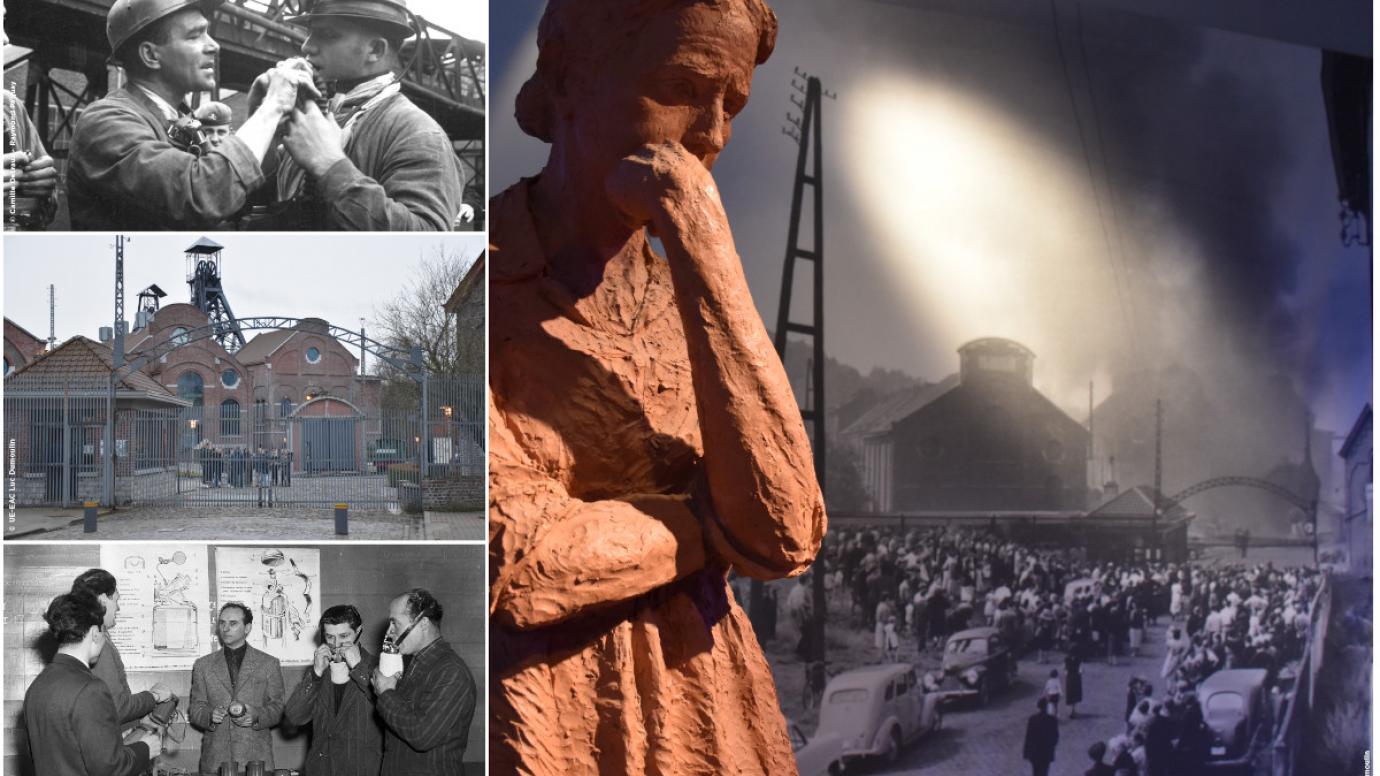
The Bois du Cazier coal mining site portrays the working classes and immigration to Wallonia. In 1956, the site was the scene of a disaster in which 262 people of 12 different nationalities died. Selected in 2017, the site recalls European solidarity after the disaster, which also triggered the creation of a health and safety body by the EU. Credit: EHL Bureau
'Sites' can mean monuments, industrial or urban sites, cultural landscapes, places of remembrance, cultural goods and objects, but also intangible heritage associated with a place, including contemporary heritage.
The label can be awarded to a single site, but also to a national thematic site (several sites in the same Member State that come around a specific theme) and a transnational site (several sites located in different Member States that come together around a specific theme).
The sites at the EU level are selected by a European panel of 13 independent experts under the responsibility of the European Commission. Four are appointed by the European Parliament, four by the Council, four by the Commission and one by the Committee of the Regions.
Candidates for the label must demonstrate their intrinsic European values and the role they have played in European culture and history and/or in the development of the EU. The sites should reflect values such as democracy, human dignity, human rights, equality, freedom and the rule of law. Additionally, candidates must submit a work plan to ensure the sound management of the site.
The label is awarded on a permanent basis, but each site is monitored on a regular basis in order to ensure that it continues to meet the criteria and that it respects the project and work plan submitted in its application.
Some sites have been selected to teach lessons about the lack of those European values that we cherish today. Fort Cadine, for example, is a fortification system built between 1860 and 1915 in the Trento region, Italy. It was selected as a reminder of historical divisions, military conflicts and changing borders, and provides a context to better understand the value of open borders and free movement.
Camp Westerbork in the Netherlands served until 1942 as a refugee camp for Jews persecuted by the Nazis. It then became a transit camp from which 100,000 Jews and 245 Roma and Sinti were deported to Nazi extermination and concentration camps.
After the war, Dutch nationals suspected of collaborating with the Nazis were imprisoned in the camp. Later, it hosted people returning to the Netherlands from the former Dutch colony of the East Indies, among them Moluccans.
The site was selected because of its links to crucial topics in European history, such as occupation, persecution, migration and decolonisation.
The Polish Constitution of 1791 is an example of an intangible heritage label. It was adopted to ensure more freedom and political equality and introduced the constitutional monarchy system. It gave primacy to reason, law and freedom, as well as religious tolerance, and is considered one of the first constitutions of its type in Europe.
‘Cisterscapes’ – a network of abbeys founded by the Cistercian monastic order and connecting landscapes in Germany, Austria, Czechia, Poland, and Slovenia – is an example of a transnational site. They contributed to shaping some of the European values, such as the balance between unity and diversity, and the sustainable use of natural resources.
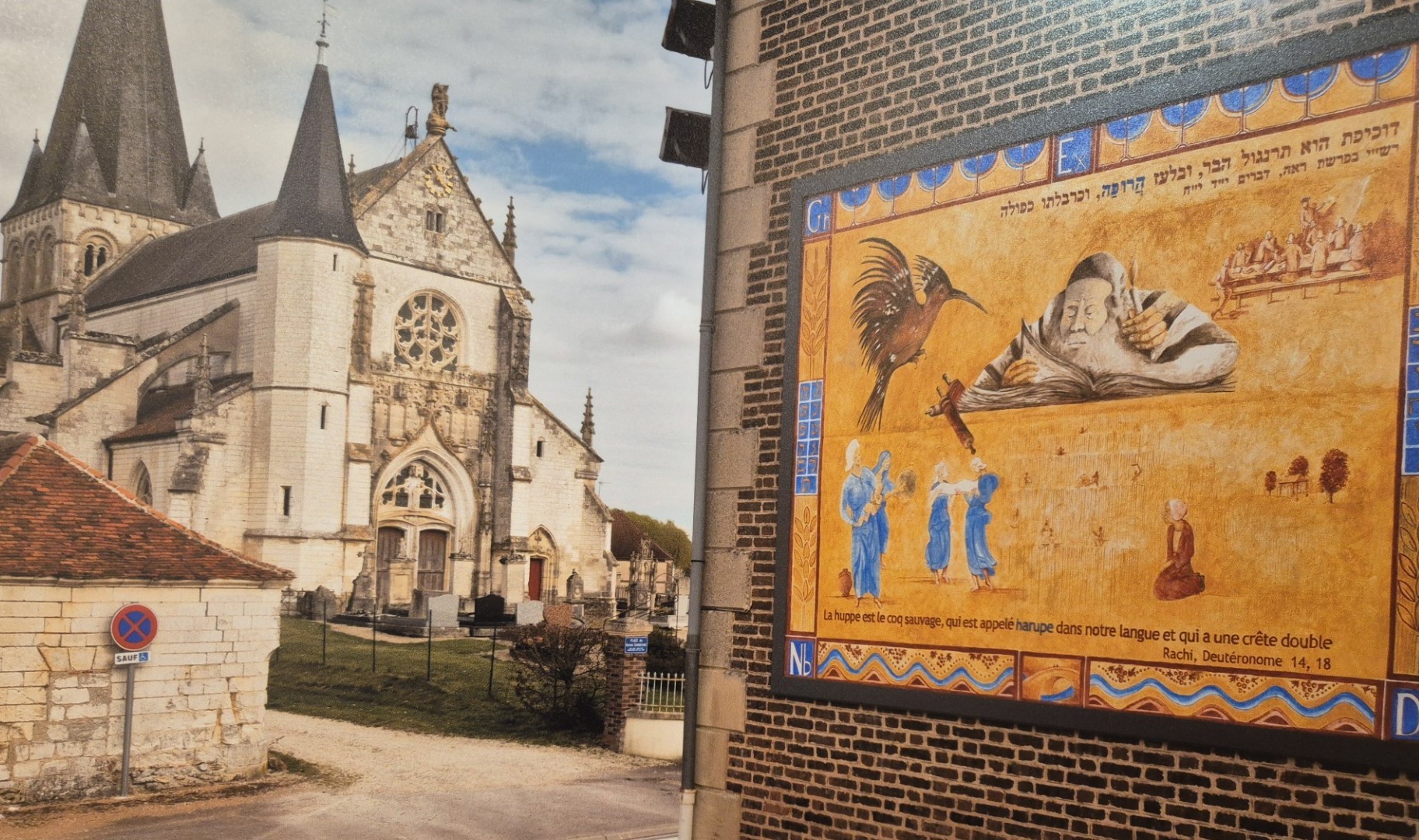
The site 'Rashi of Troyes' is represented in the exhibition at the press club, credit: The Brussels Times
Rashi of Troyes in France, selected in 2025, is named after the famous biblical commentator Rabbi Shlomo Yitzhaki (Rashi) from Troyes. The site associated with him preserves the memory of Jewish presence as an integral part of European history and conveys values such as respect for learning, freedom of interpretation, tolerance and the transmission of knowledge across generations and borders.
Update: The exhibition will run at Press Club Brussels Europe until 22 May.
