
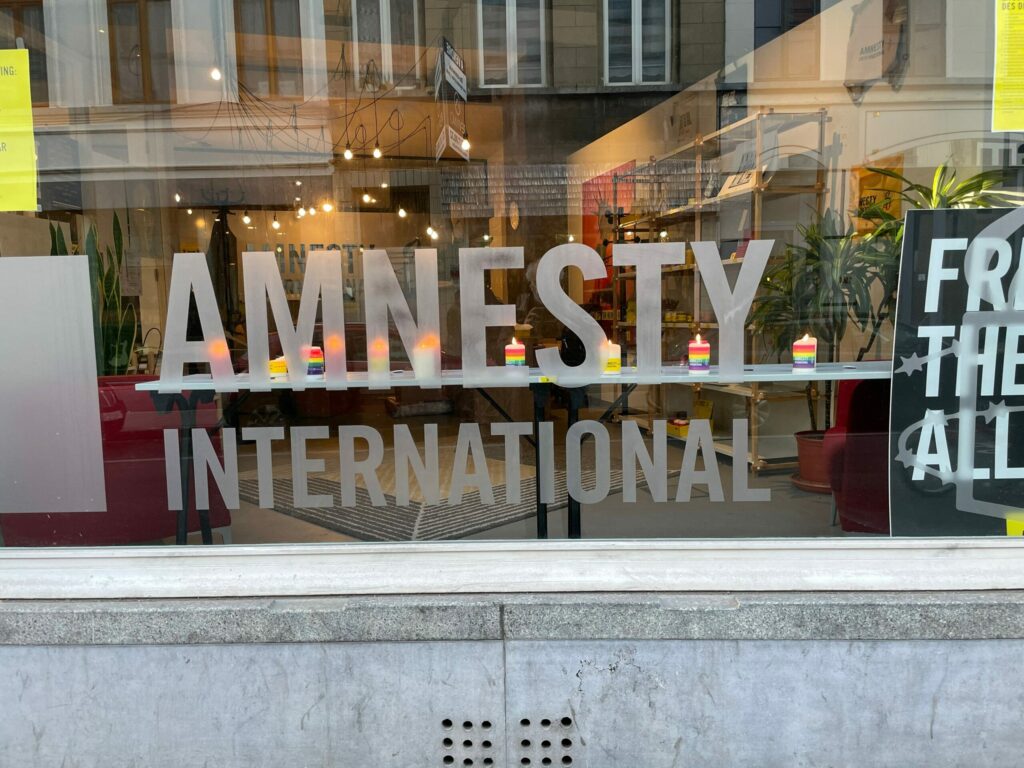
Amnesty International has expressed satisfaction with Belgium’s constructive participation in the UN's Universal Periodic Review (UPR) but warns that the real challenge lies in implementing its commitments.
The UPR is a mechanism under the UN Human Rights Council in which Member States evaluate each other’s human rights policies every five years and provide recommendations.
Belgium’s Foreign Minister Maxime Prévot defended the country’s human rights report on Wednesday afternoon in Geneva, during the fourth UPR cycle.
Belgium's role on the international stage commended
Wies De Graeve, Amnesty International's director in Flanders, said Belgium’s participation reflects its serious approach to the UPR process.
He praised Prévot’s leadership and noted that several nations had commended Belgium’s role on the international stage, particularly regarding international law, at a time when the UN and multilateral cooperation face increasing pressure globally.
Despite this positive reception, Amnesty raised concerns about persistent shortcomings.
Many of its recommendations focused on strengthening the federal and Flemish human rights institutions.
De Graeve criticised the fact that several institutional suggestions have been repeated for the fourth UPR cycle, indicating that Belgium’s politicians have so far failed to prioritise these commitments adequately.
Significant focus on prison conditions
There was also significant focus on Belgium’s prison conditions, which Amnesty deemed “chronic and problematic.” De Graeve emphasised the urgent need to address the issue, stating that detention environments must become dignified, safe, and effective.
The asylum reception crisis was another key topic. Several nations called on Belgium to enforce judicial rulings related to accomodation for asylum seekers, highlighting the fact that national courts have issued over 10,000 condemnations and the European Court of Human Rights has ruled three times against Belgium on this matter.
Recommendations were also made to align Belgium’s regulatory framework on the right to protest with international standards. De Graeve warned of growing pressure on this fundamental right, about which Amnesty and other organisations have consistently raised alarms.
Kudos for efforts to fight sexual violence
Belgium’s efforts to combat sexual violence were recognised, particularly the establishment of care centres for survivors. However, concerns were raised about barriers to accessing safe abortion services in the country.
De Graeve also noted that there were renewed calls for Belgium to adopt an anti-racism action plan and address ethnic profiling by police.
At the conclusion of the session, Prévot reaffirmed Belgium’s commitment to international law and multilateralism, declaring that it would remain an “indefatigable advocate.”
While De Graeve welcomed this pledge, he underscored that implementing these commitments will be the true test.
“The real work starts now,” he noted.
