What happens if a shooting takes place at the European Parliament? What do you do if there's a huge fire in the Commission, or a toxic gas in the air in the Council building?
You might have never thought about any of these situations, but Brussels' crisis manager, Sophie Lavaux, is on the case. As the General-Director of the regional Safe Brussels agency, her job is to prepare the Belgian capital for every crisis you can think of.
Ensuring smooth coordination between Brussels' regional government, the 19 different municipalities, six different police zones and the fire department is surely enough to give anyone a headache.
But should an emergency happen in or around the European institutions, there are "some extra layers of complication", Lavaux explains to The Brussels Times.
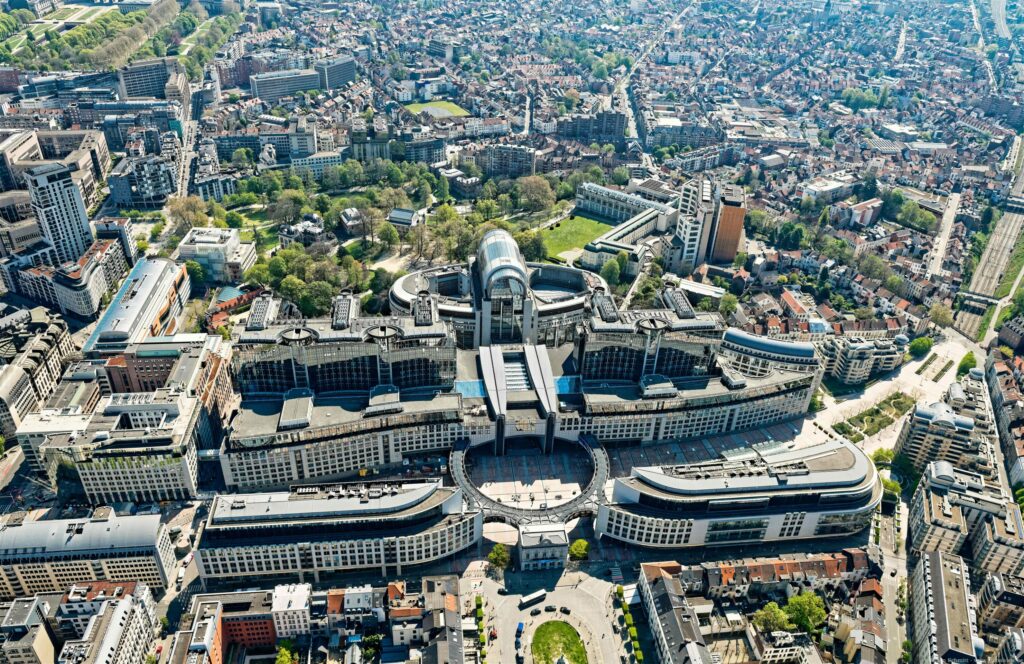
"Firstly, it is huge. There are over 700 MEPs in the Parliament and more than 10,000 people of the 27 EU nationalities working in the institutions. The institutions are a vast complex with several different entities," she stresses.
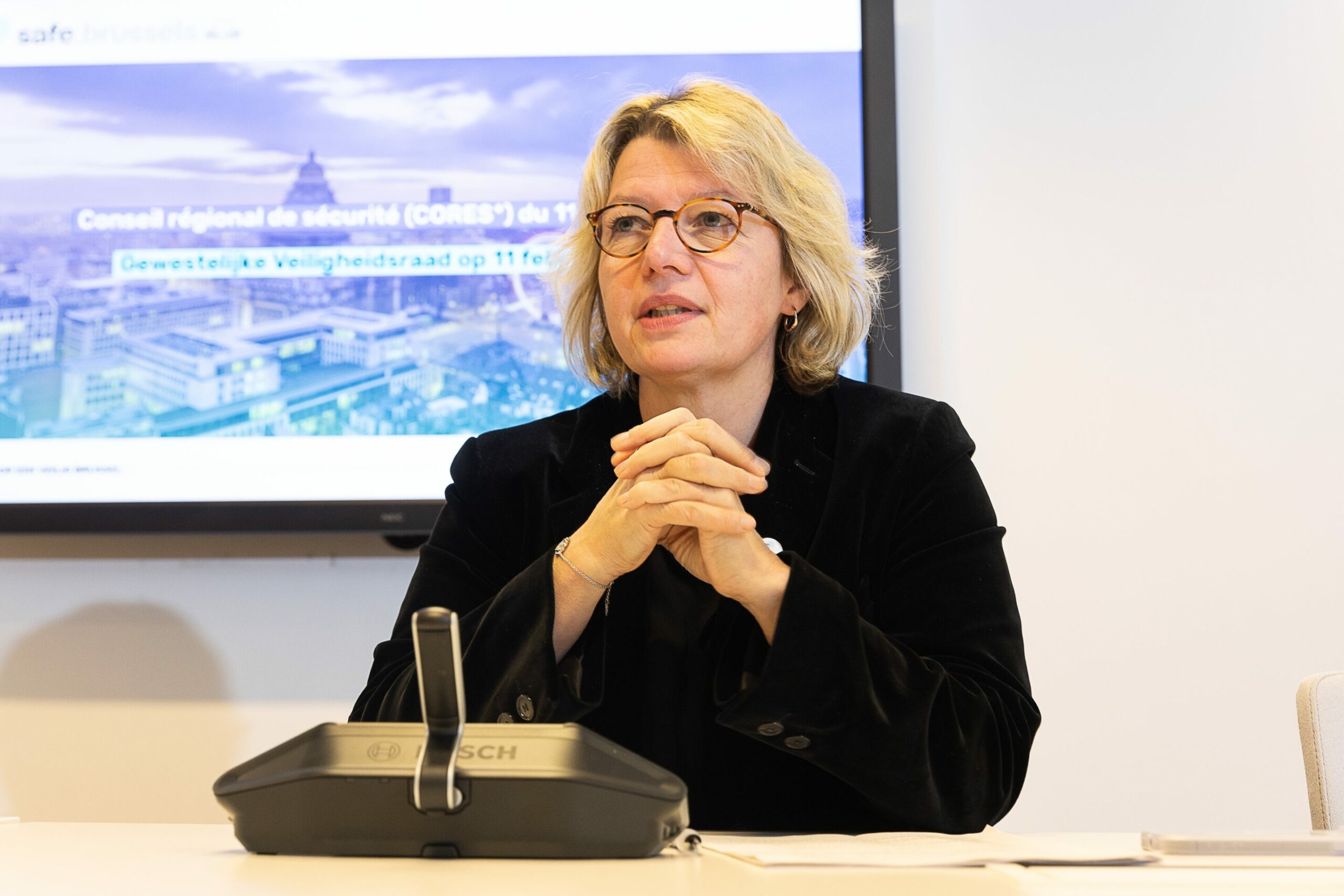
Safe.brussels chairwoman Sophie Lavaux. Credit: Belga
In total, the surface area of the Parliament alone covers over 700,000 m², around 105 football pitches. All of this is located close to crucial roads (such as the busy Rue Belliard and tunnels), railways (Brussels-Luxembourg station) and other sensitive sites (other EU institutions and embassies for example).
On top of that, the area is politically and symbolically very important to Brussels – representing the "seat of democracy" and symbolising the entirety of the European Union.
Making it extra complex is the fact that the EU institutions also have their own emergency services. Therefore, a new plan – called the European Parliament’s Special Emergency and Response Plan – was drawn up.
"Given that these are international bodies, there is a whole specific set of regulations to be followed, and a huge number of languages involved as well," Lavaux says. "It's a huge undertaking, but it is all part of the overall resilience of the Brussels Region. Everyone must be prepared as much as possible, should anything ever happen."
Increased risk?
Risks can be sorted into four categories, she explains. There are natural risks (floods, heatwaves, droughts), technological risks (fires in public transport infrastructure, failure of electricity/natural gas supply), health risks (pandemics) and man-made risks (cyberattacks, shootings, terror attacks).
"For each of these potential emergencies, we have prepared a plan, coordinated with the European institutions," Lavaux says. "These places are very large and complex, so on the day something happens, we need to know the place well."
In these turbulent geopolitical times, it is not hard to imagine authorities wanting to make extra sure they are prepared for anything that might come their way. Yet, when asked about the timing of the plan, she says the current climate has nothing to do with it.
"The risk for the European institutions has not increased," Lavaux emphasises. "This plan is part of the general preparedness for crisis management, with priorities that are set on an annual basis by representatives from the various services."
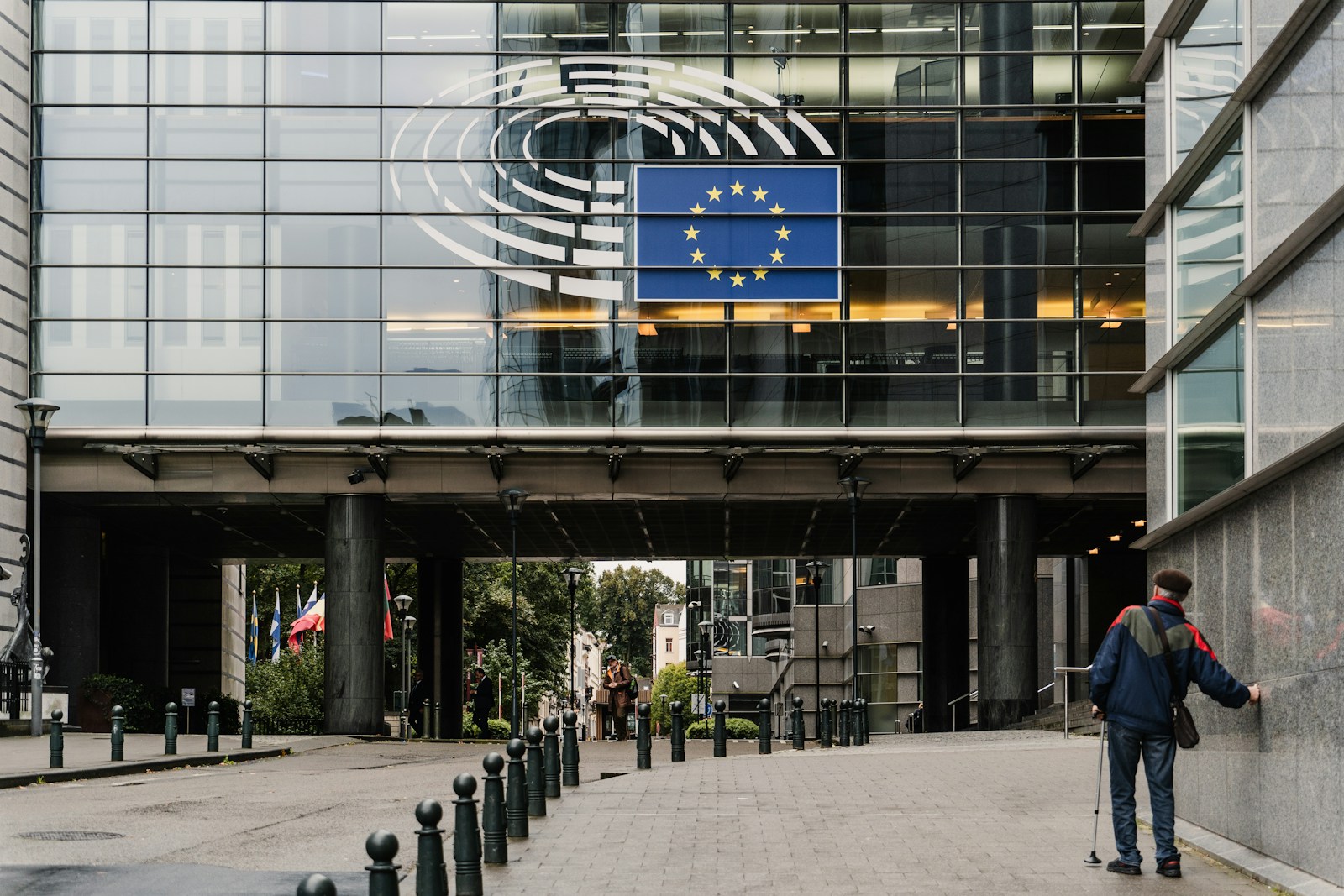
Credit: Belga/ Fang Guo
The preparation work has been ongoing for a while, but is largely invisible: building relationships and contacts, drawing up different risk assessments, and carrying out tests to check if everything works.
Specific measures, however, depend on which sort of crisis unfolds. "There are basic crisis management principles, but dealing with a flood or dealing with a terrorist attack are two completely different things," Lavaux stresses.
As soon as the relevant people are assembled at the office of safe.brussels, the situations are discussed on a case-by-case basis. "What do we do? Do we issue direct communication to the public? Do we send a BE-alert to MEPs? Do we evacuate, or should people stay where they are? If we decide on evacuation, how do we do that?"
"All that is taken into account. No two crises are the same."
What can you do to prepare for an emergency?
The first "very simple, but very important" step is to register for BE-Alert, Lavaux stresses. People can register different addresses: where they live, but also the address of elderly parents, a partner, or children, for example. If a crisis happens in Brussels, registered people will receive a text message on their phone.
"Precisely for this whole community of expats, it is extra important to be registered. That way, they can receive the messages, not just for themselves, but also for their families," Lavaux says.
Secondly, follow the official channels. "It seems simple, but it is so important. Especially now, fake news and deepfake AI images or footage spread so quickly."
"A crisis is already chaos on top of chaos. We do not need to add fake news to that. These deepfakes can create incredible panic among the public, so do not make them. And if you see something that you think is fake, try to double-check it," she says.
Lastly, listen to the authorities' instructions and follow them. "The aim is to save people's lives. And sometimes, that also means imposing a few restrictions, limiting some activities, taking safety measures, and showing solidarity with the people around you – that’s important."
"It’s always a bit complicated, but that is our only aim: to be ready, to prepare, to draw up emergency plans and carry out drills so that, should something happen in Brussels, we can save lives and be as prepared as possible."
