

What arrives uninvited, disrupts the known, yet ultimately serves as progress’s most effective catalyst? Crisis. Nowhere is this paradox more evident than in the global response to climate change. Historically, major environmental legislation follows disaster, not foresight.
Remember acid rain? Probably not – you’ve got the 1985 Helsinki Protocol to thank for that, when nations came together to successfully halve sulphur emissions after forests began dying and water supplies turned toxic.
The discovery of a gaping void in the ozone layer above Antarctica, and the very real prospect of mass skin cancer, delivered the Montreal Protocol in 1987 – still the most successful environmental treaty ever signed.
Energy crises tell the same story. In 1973, Arab OPEC members cut supplies in retaliation for Western support to Israel during the Yom Kippur War, and the ensuing panic unlocked fuel efficiency standards and the first serious public investment in renewables that years of lobbying had failed to produce.
Fifty years later, Russia’s invasion of Ukraine in 2022 repeated the lesson: when European gas prices hit record highs overnight, the continent’s renewable buildout accelerated faster than any Green Deal directive had managed in years.
The pattern is damning: we do not act on what we know. We act on what we feel – and the Strait of Hormuz crisis is only the latest proof.
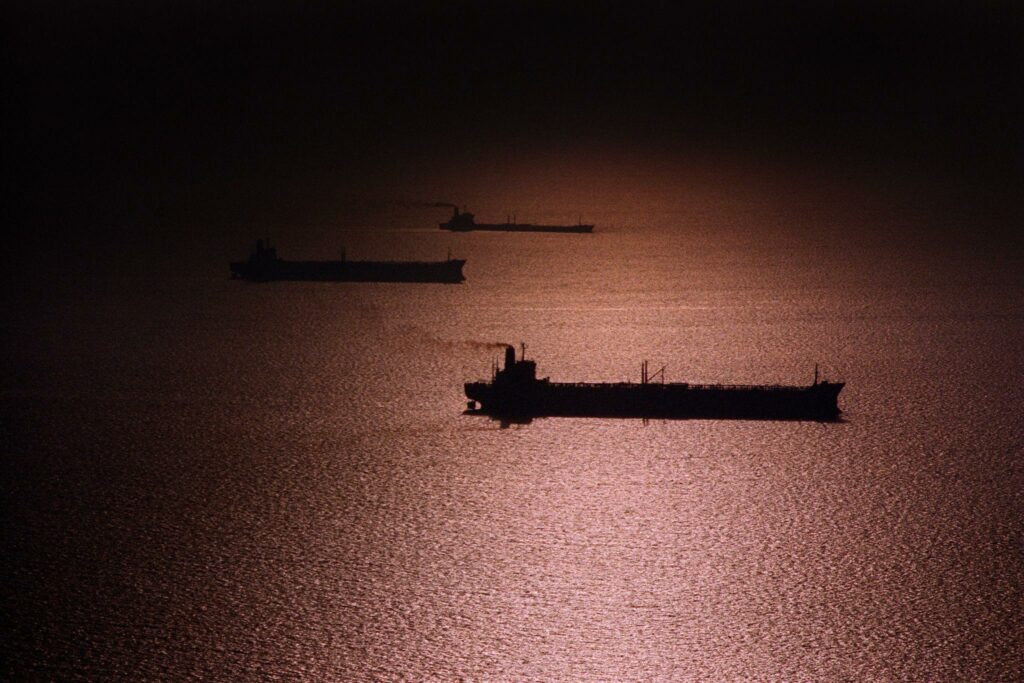
The IEA’s Executive Director has called it “the greatest global energy security challenge in history.” The numbers back it up: Crude oil flows through the Strait plunged from 20 million barrels a day to just over 2 million. Brent crude surged past USD 120 a barrel – more than 50% above where it started the year.
European gas prices nearly doubled. The EU’s extra fossil fuel bill in the first weeks alone was EUR 13 billion. Global LNG supply fell by 20% overnight. Fertiliser prices up 50%, threatening harvests well into 2027. Schools closed in Pakistan. Sri Lanka introduced a four-day working week. Across Africa, families went back to burning coal and wood to cook. From Manila to Maputo, Milan to Mexico City, people are deeply feeling it in their energy and grocery bills, their petrol receipts and their travel plans.
The climate movement has long argued that fossil fuel dependence is a civilisational risk. The war in Iran has just made that argument viscerally real for people who never read an IPCC report. But what makes this one different is not the crisis itself, it’s the opportunity that now exists.
When the 1973 shock hit, solar panels were a laboratory curiosity and wind energy a footnote. The world had no choice but to scramble for supply. Today, it does. Over 90% of new renewable energy projects are now cheaper than fossil fuel alternatives. Renewables accounted for 85.6% of all new energy capacity installed worldwide last year. Nations that invested in the energy transition entered this crisis with a shield. Those that didn’t are now paying for the delay.
Italy tells the story most plainly. With gas still dominating its grid, electricity prices peaked at EUR 142 per megawatt hour in the immediate aftermath of the blockade, four times more than Finland, which, bolstered by renewables, held at EUR 35. Portugal and Spain were not far behind, closer to EUR 60. Same crisis, same continent, different choices.
Without the wind and solar built across the EU between 2022 and 2025, the bloc would have spent an additional EUR 58 billion on fossil fuel imports – instead, solar alone saved the continent more than EUR 100 million a day. But the pattern holds beyond Europe: Vietnam’s rapid renewables push has shielded its industrial sector, while the Philippines – importing 98% of its oil from the Middle East – was among the first to declare a national energy emergency.
And yet, from the wreckage, something new is growing.
With only about 40 days of oil supply remaining at the time of writing, the Philippines is moving quickly to fast-track 22 major renewable energy projects in an effort to protect its power grid from the volatility of this conflict, aiming to bring more than 1.4 GW online before the end of the month.
France is making a similar shift, having unveiled its most sweeping electrification plan yet this past week: doubling electrification funding to EUR 10 billion a year, banning gas boilers in new buildings, and setting a target for two out of every three new cars to be electric by 2030. In the UK, the same pressures are already translating into consumer behaviour, with heat pump installations reaching record highs this past month.
I know people who, just a year ago, dismissed electric vehicles as toys for the elite or political badges – now they talk about them as lifeboats. A review of Google trends confirms this is far from anecdotal: across Europe searches for electric vehicles, heat pumps, and home solar systems have surged to record highs within weeks of the disruption. People are looking for any exit from a system tethered to fossil fuels. A solar panel is no longer a moral statement, it is quickly becoming an insurance policy.
For the climate movement, this may be the most significant opening in a generation. For years, it has struggled to bridge the gap between “saving the planet” and “saving the month.” The Strait of Hormuz crisis has closed that, reframing the energy transition from a distant, abstract necessity into an immediate act of self-preservation.
People are receptive, but the window is short. The gravest risk right now is not that the crisis continues, it is that it ends, and the status quo feels safe again. The climate movement must act while awareness is still high. That means one thing above all: retiring the language of moral obligation and replacing it with the language of national interest. Not as a messaging tweak – as the new default, in policy chambers, in newsrooms, in boardrooms. The moral argument has been made, refined, and made again, over and over. It has failed most of the time.
Security framing travels further than environmental framing because it maps directly onto national interest, cuts across political divides, and speaks to people who have never attended a climate rally and never will, but who understand, viscerally, what it means to be exposed, or to depend on regimes they don’t trust.
A country that generates its own power cannot be held hostage by a war it didn’t start. You cannot embargo the sun. You cannot turn off the wind. Renewables aren’t just cleaner, they are sovereign, ungovernable by foreign regimes, immune to blockades and answerable only to the nations that build them.
Can you imagine a greater irony: an unlawful invasion, ordered by an administration drunk on oil, igniting the renewable revolution that decades of climate advocacy could not?
