
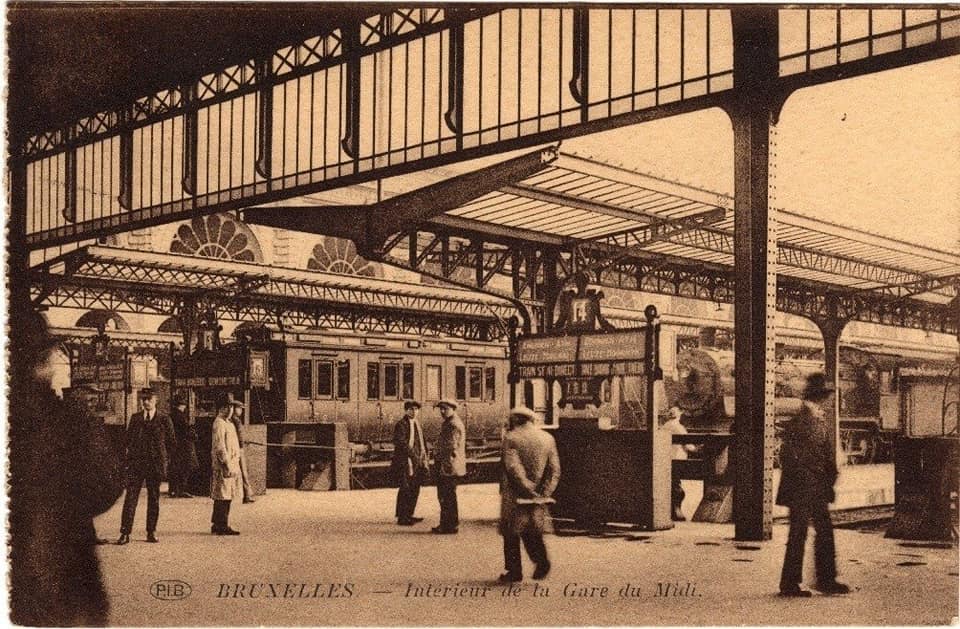
2 September, 1944. SS officers force 1,400 political prisoners into cattle trucks at gunpoint at Brussels’ Gare du Midi. They hold back relatives, Resistance members and onlookers trying to stop the deportation. Some jostle with armed guards, shouting: “The Allies are coming. Long live Belgium!” Others plead for mercy. The SS officers use force to keep them back.
The destination: Neuengamme concentration camp in Germany.
As Allied forces close in on Brussels, SS General Richard Jungclaus orders the deportation of Allied airmen and political detainees from Saint-Gilles prison in a final act of revenge.
The train – later dubbed the Nazi Ghost Train or Le Train Fantôme –never left Belgium. Saboteurs used many ways to stop the train in its tracks. In a newly published book, The Nazi Ghost Train, historian and documentary maker Greg Lewis unravels the story of Resistance fighters who outwitted the Nazis and saved 1,400 lives.
Lewis draws on a decade of research, including eyewitness accounts from prisoners and Resistance members. He talked with surviving eyewitnesses: Jules Buedts and Jozef Craeninckx, among the youngest prisoners.
“This is almost certainly the biggest and most important single act of resistance in Belgian history, but the full story had never been told,” he says. “Hundreds of patriots were on their way to almost certain death until a small group of truly heroic people stepped in to save them.”
Mixed batch of prisoners
The prisoners included downed Allied airmen, SOE agents, Resistance fighters and political prisoners. They came from across Europe and beyond.
Michel Petit, Gare Du Midi’s assistant train station manager and active member of the Resistance group, Mouvement National Belge (MNB), was told that SS guards were policing the tracks around the route from Brussels to Antwerp and passed on covert orders to sabotage the lines where necessary.
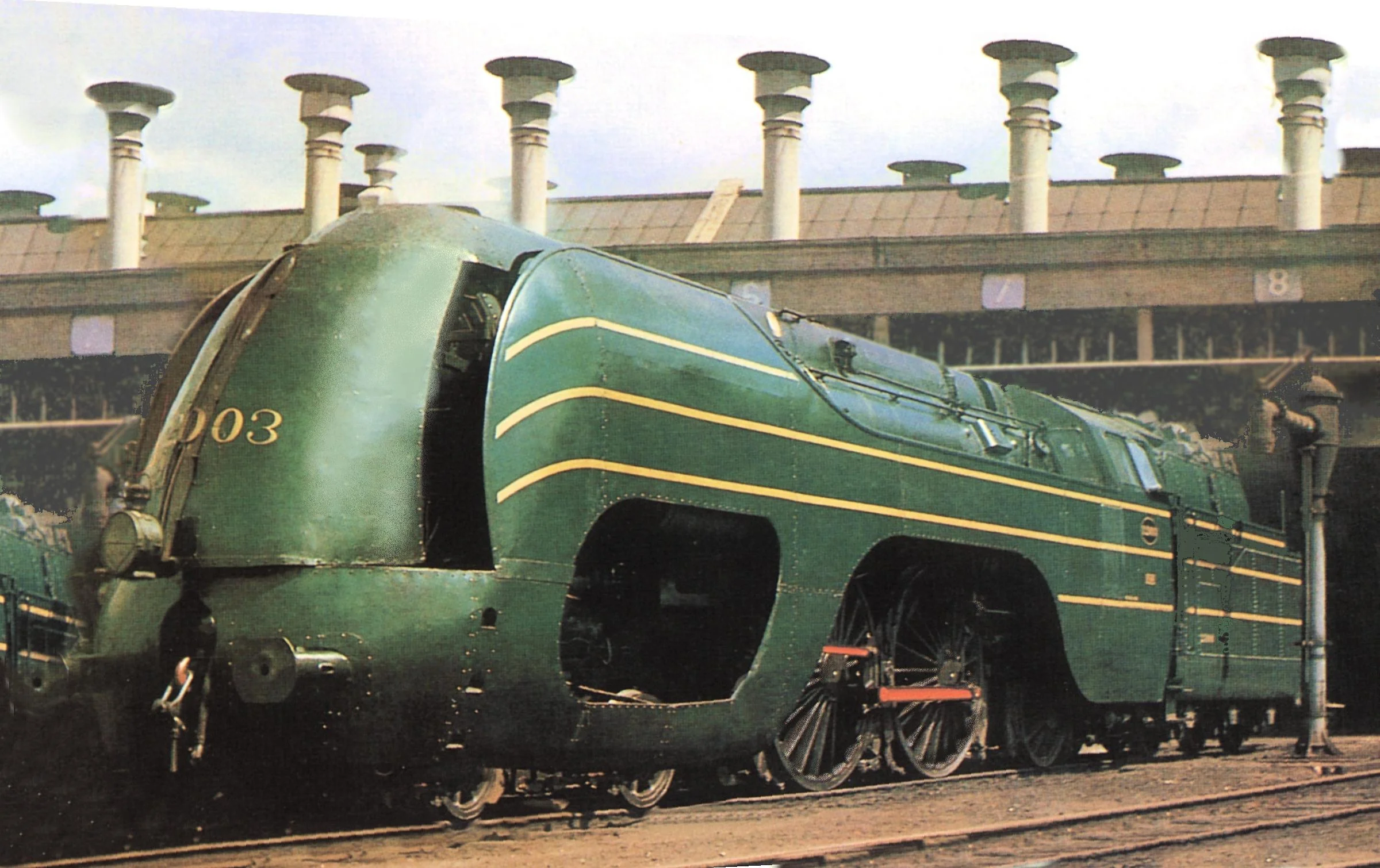
SNCB Type 12 train from 1939, which today can be seen at TrainWorld in Schaerbeek
The train was delayed at departure, as a replacement driver and fireman had to be found to operate the locomotive NMBS/SNCB 1202 (itself a remarkable design: one of the green, Art Deco Type 12s is now in Train World in Schaerbeek). The driver scheduled to work had injured himself, while another was missing. Signals were deliberately kept at red.
When the train eventually got underway, further delay tactics were applied. The crew deliberately reduced steam power. The crew ripped out the oil pump and tampered with the coal supply.
But with guns to their heads, Louis Verheggen and his co-worker Leon Pochet were forced to drive the train northeast. The train was scheduled to initially call at barracks, which was the main Belgian holding place for Jewish refugees awaiting transfer to the death camps.
The train was scheduled to stop at Mechelen’s Kazerne Dossin barracks, a transit site for deportations.
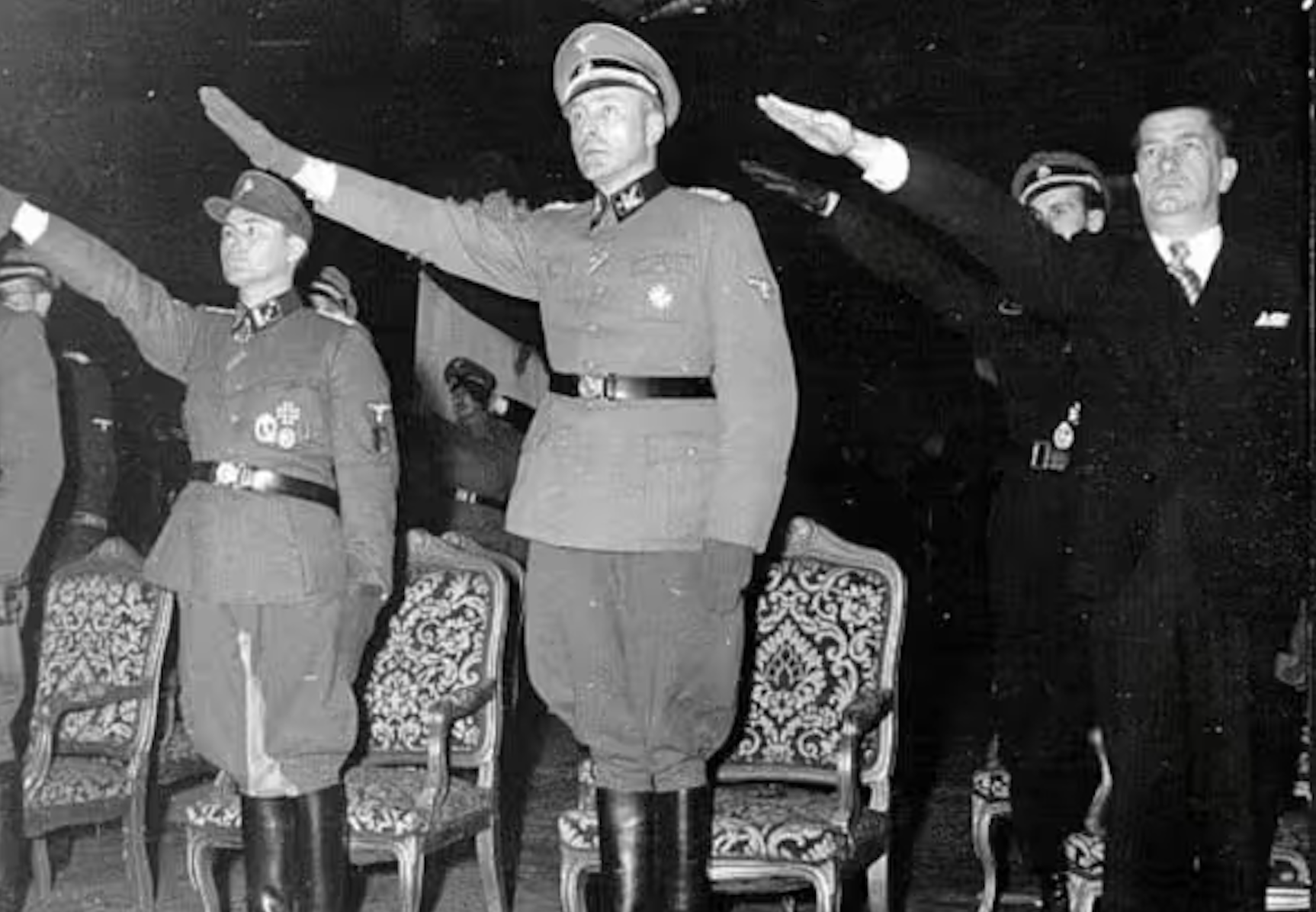
Nazi General Jungclaus
There, the crew convinced SS officers that the locomotive urgently needed water and diverted to nearby Muizen. At overcrowded Muizen, further delays bought crucial time.
Meanwhile, intelligence about the train had reached the advancing Allies. They issued an ultimatum: release the prisoners or face reprisals.
Jungclaus finally agreed, ordering the train to return. But the Allied airmen remained at risk. They were separated and placed in a baggage car at Petit-Ile. With the lines sabotaged and SS troops fleeing, they escaped.
After the escape
All 1,400 prisoners were safe. Most were helped by the Resistance and Red Cross, sheltered in nearby homes. The Ghost Train returned on September 3. Brussels was liberated hours later.
Ted Kleinman, a US airman, was among them. He avoided execution because guards failed to notice the ‘H’ dog tag he was wearing – marking him as Hebrew or Jewish.
Kleinman had reunited with fellow airman, Bud Brown, in one of the cattle carts and had helped his fellow prisoners out of the train’s trucks after the doors were prised open with the assistance of Brown and British Spitfire pilot, Brian Harris. He returned to the US after the war and was awarded the Purple Heart.
Another was Françoise Labouverie, a Belgian Resistance courier. She was among the prisoners of the Ghost Train, captured after betrayal by an informant. After the war, she settled in England and founded a charity aiding displaced people.
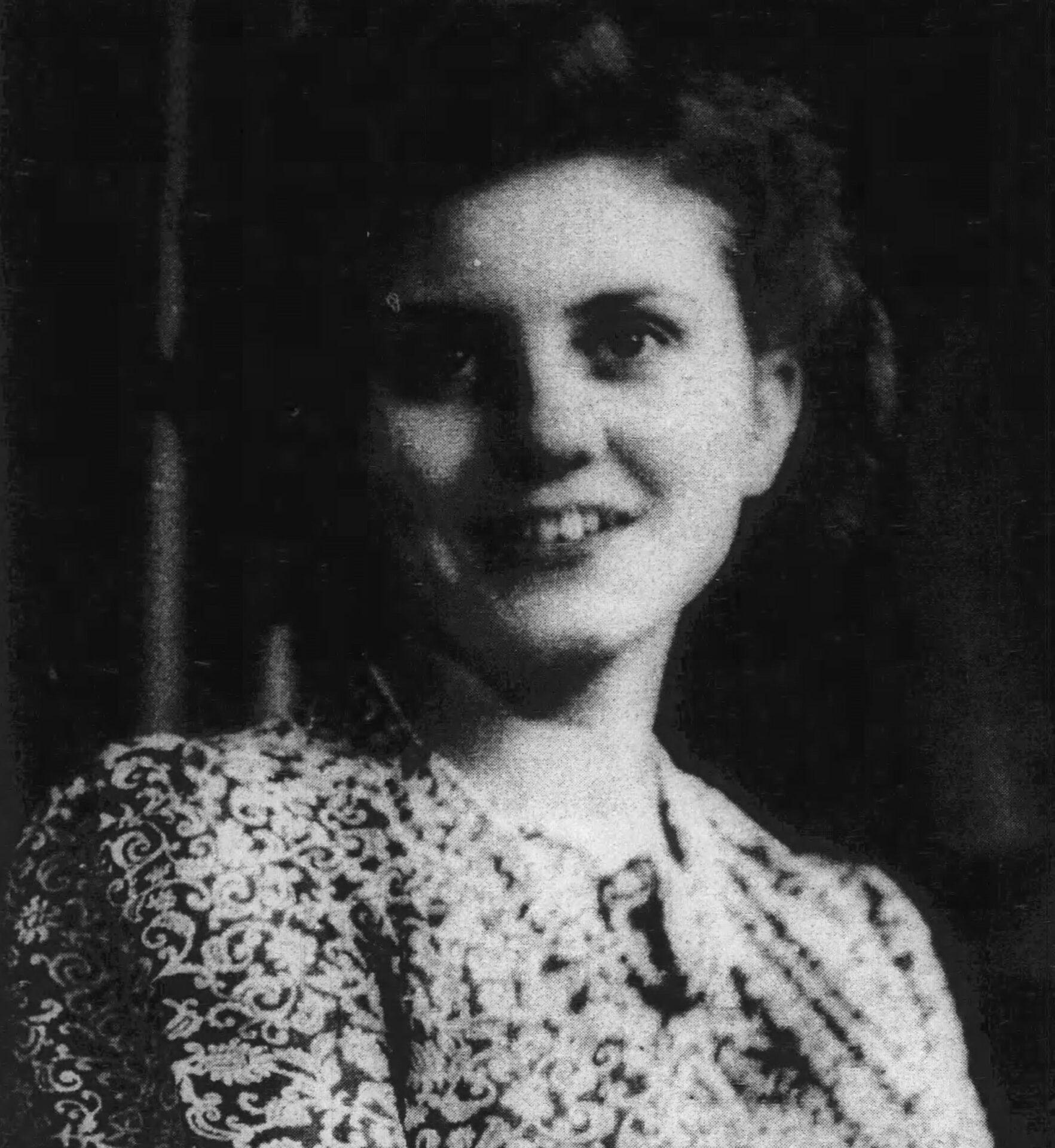
Françoise Labouverie, a Belgian Resistance courier
Lewis says the book is dedicated to the memory of the countless heroes and heroines in this part of history, but particularly, Florent Biernaux, whose letter to John Evans sparked his research into the Nazi Ghost Train.
Biernaux and his wife, Olympe, saved more than 60 airmen before the couple were arrested by the Gestapo. Olympe was sent to Ravensbrück, a women-only concentration camp in Germany. Miraculously, she survived, but upon returning home, she discovered her son had died in Neuengamme, the intended destination for the Ghost Train. Olympe took her own life shortly afterwards.
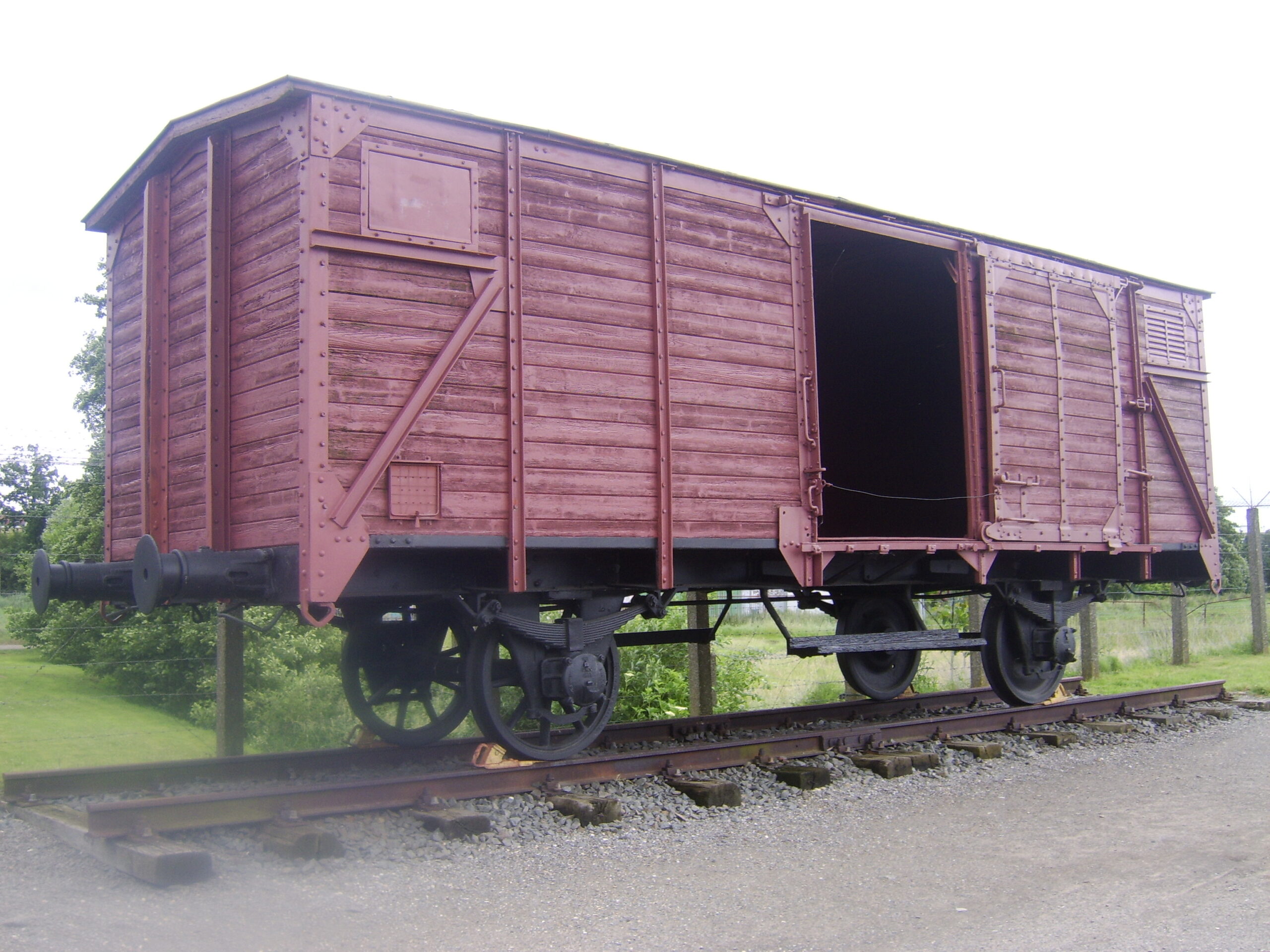
Cattle truck as used on the Ghost Train. Credit: Greg Lewis
Brussels businessman Prosper Dezitter and his girlfriend, Florentine Giralt, are thought to have betrayed hundreds, some say thousands, of Resistance workers, Jews, airmen and French and Belgian patriots in exchange for money. Many of those he betrayed were prisoners on the Ghost Train, including Florent Biernaux. Dezitter was finally caught in Bavaria in 1948. He was tried for war crimes and executed by firing squad. Giralt was executed a year later.
Eight decades on, the story still resonates, Lewis says. “There are things happening in the world all the time now which people need to speak out about,” he says. “I think we should respect all those who could not stay silent, who could not help but act to save people’s lives, standing up to fascism and defying Hitler. They all need to be recognised for their courage.”
