
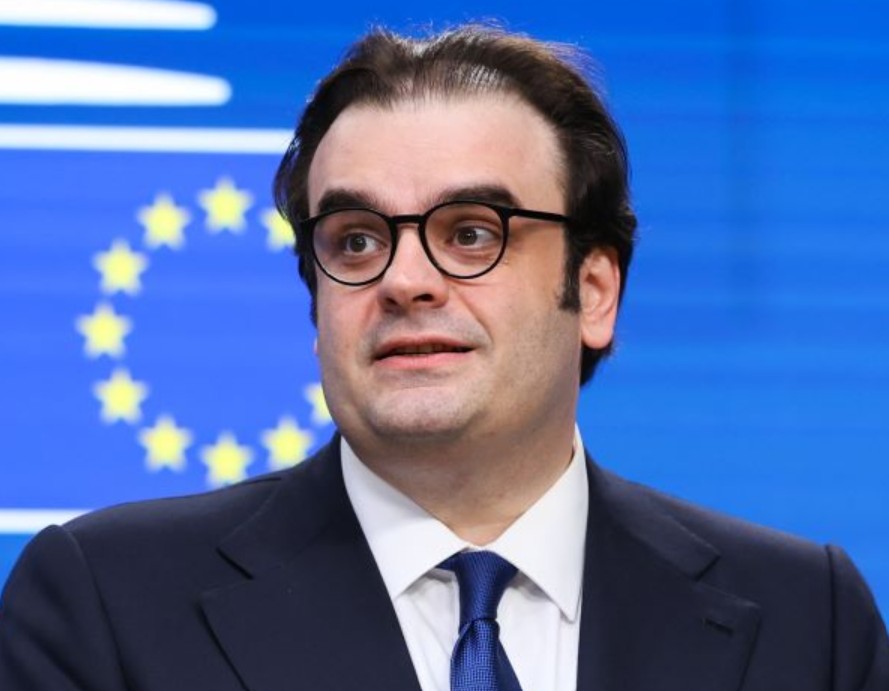
Europe’s economy is forecast to grow by 0.9% in 2026 and 1.2% in 2027, with renewed inflation pressures linked to tensions affecting energy markets and supply chains, Eurogroup President Kyriakos Pierrakakis said after a Eurogroup meeting on 22 May.
Pierrakakis said the European Commission briefed eurozone finance ministers on an updated growth and inflation outlook, with the baseline projections lower than earlier forecasts but “far from a recession scenario,” according to his remarks released by the Eurogroup on Friday.
He linked the deteriorating security situation in the Middle East to rising pressure on energy markets and supply chains, saying disruption in the Strait of Hormuz affects flows of oil and natural gas as well as shipments of fertilisers and helium.
Eurozone ministers discussed maintaining “fiscal stability” while addressing pressure on households and businesses, and Pierrakakis said the Commission had suggested measures that are “temporary, targeted, and tailored”.
He also cited an International Monetary Fund assessment presented at a previous meeting that the impact of the crisis was 12% lower than it would have been without energy policy changes made since 2022.
Housing and the digital euro on the agenda
The Eurogroup held what Pierrakakis called a substantive discussion on housing, describing access to affordable and decent homes as an issue affecting millions of Europeans and touching productivity, labour mobility and inequality.
He said ministers shared the view that there are no “one-size-fits-all” solutions, and that national circumstances require different policy approaches.
Pierrakakis also said the Eurogroup discussed legislation on the digital euro with Aurore Lalucq, chair of the European Parliament’s Economic and Monetary Affairs Committee.
He welcomed the progress made in the European Parliament and said he hoped interinstitutional negotiations would start in the summer, with the aim of finalising the legislation by the end of 2026.
In his remarks, Pierrakakis said he believed the project could be completed by 2029 under European Central Bank President Christine Lagarde, describing the digital euro as a priority in an increasingly digital financial environment.
