
The European Union marked the 11th EU Day Against Impunity for genocide, crimes against humanity and war crimes on 23 May, with Eurojust highlighting the role of national authorities in investigating and prosecuting the crimes.
More than 30 new cases were opened in 2025 under extra-territorial and universal jurisdiction, adding to investigative and prosecutorial work in 20 countries into crimes committed in more than 30 countries, Eurojust reported in its statement.
Universal jurisdiction allows national courts to prosecute certain serious crimes regardless of where they were committed.
Eurojust said it has marked the day each year since 2016 with the Genocide Prosecution Network, which it hosts.
The network brings together national authorities working on genocide, crimes against humanity and war crimes, and holds meetings twice a year for practitioners to exchange operational information and experience.
Recent cases cited across Europe
An appeal in Sweden resulted in what Eurojust described as the first conviction for genocide through the transfer of children. Courts in the Netherlands and France issued their first convictions for core international crimes committed against the Ezidi community.
Investigations and trials were also opened into crimes committed in Rwanda and the Democratic Republic of the Congo, including a trial in France for crimes against humanity.
In Belgium, prosecutors filed an indictment against a suspect for war crimes and crimes against humanity committed in Liberia.
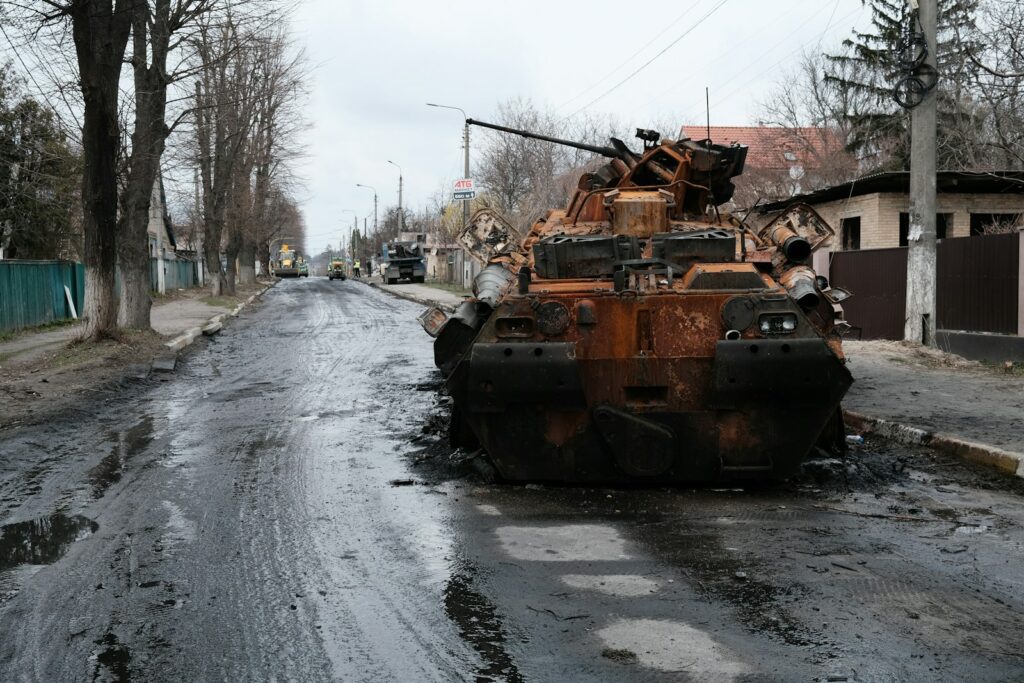
Eurojust also pointed to work on crimes committed in Ukraine through a dedicated Joint Investigation Team (JIT) — a formal cross-border team used by prosecutors and investigators from different countries.
Finland recorded what Eurojust said was a first — the conviction of a Russian national using universal jurisdiction for war crimes committed in Ukraine in 2014.
