
June is doing more than making people long for the summer holidays – a new series of rule changes and new measures are coming into force in Belgium this month.
From neutral packaging for all tobacco products and the right to be forgotten to a whole series of changed labour laws, you can find the most important changes and how they will impact people here.
New labour laws
From June this year, various rules relating to work, pay and the organisation of work are changing.
Notice period capped at a maximum of one year
One of the most talked-about changes is the capping of the notice period in the event of dismissal by an employer. For new employment contracts starting on or after 1 June 2026, a maximum of 52 weeks will apply.
Currently, there is no statutory upper limit: the longer an employee has been in service, the longer the notice period becomes. For employees with very long service, the notice period can therefore be more than two years.
This also means high severance payments if an employer decides to terminate the contract immediately.

Credit: Pexels
Under this new scheme, the notice period will continue to increase as the length of service increases, but after around 17 years of service, the ceiling of one year (52 weeks) will be reached. Anyone who remains in service for years after that will no longer accrue any additional notice rights.
Importantly, for employees already in service before 1 June, nothing changes. Their current rights remain unchanged.
More flexible part-time work
Changes are also in the cards for part-time workers. Currently, a part-time worker must work at least one-third of a full-time position, but this minimum threshold will now be reduced to one-tenth of a full-time job.
This change will make it possible to offer part-time contracts with even fewer working hours. The measure is intended to give employers greater flexibility, for example, in sectors where short-term assignments or peak periods are more common.
Trade unions, however, fear that the measure could lead to even more fragmented working hours and less stable jobs.
Relaxed rules on night work
The rules on night work are changing significantly. Until now, night work between 20:00 and 06:00 was legally not permitted, unless a sector or company had been granted an exemption.
From now on, night work will officially be permitted in all sectors. This means that companies will now be able to organise it more easily, without first having to apply for a specific exemption.

Illustration image showing maintenance works, which usually take place at night or during weekends and public holidays. Credit: Brussels Mobility
There will be some changes, particularly in the distribution, e-commerce and logistics sectors: new employees in these sectors will only be entitled to a night work allowance from 23:00, rather than from 20:00, as is currently the rule.
Here too: employees who were already in service before 1 June 2026 will retain their existing rights and allowances.
Less administration for work schedules
The rules on employment regulations are being relaxed. Previously, employers had to include all full-time work schedules individually in the employment regulations, which often resulted in a huge amount of paperwork.
Now, companies will be able to operate under a general framework for working hours. Within this framework, they can specify which days work can take place, within which time slots, and what the minimum and maximum working hours are.
This gives employers greater flexibility to organise work schedules without having to amend the employment regulations each time.
Nothing will change for part-time employees with variable timetables: their timetables must still be explicitly included.
Health-related changes
Plain packaging for tobacco products
All tobacco products and herbal smoking products on the market in Belgium must now be sold in plain packaging. The aim is to help make the products less appealing, particularly to children and young people.
The packaging must have a plain background colour and must not feature any logos, striking colours or brand symbols. There are also restrictions on the display of the brand name.
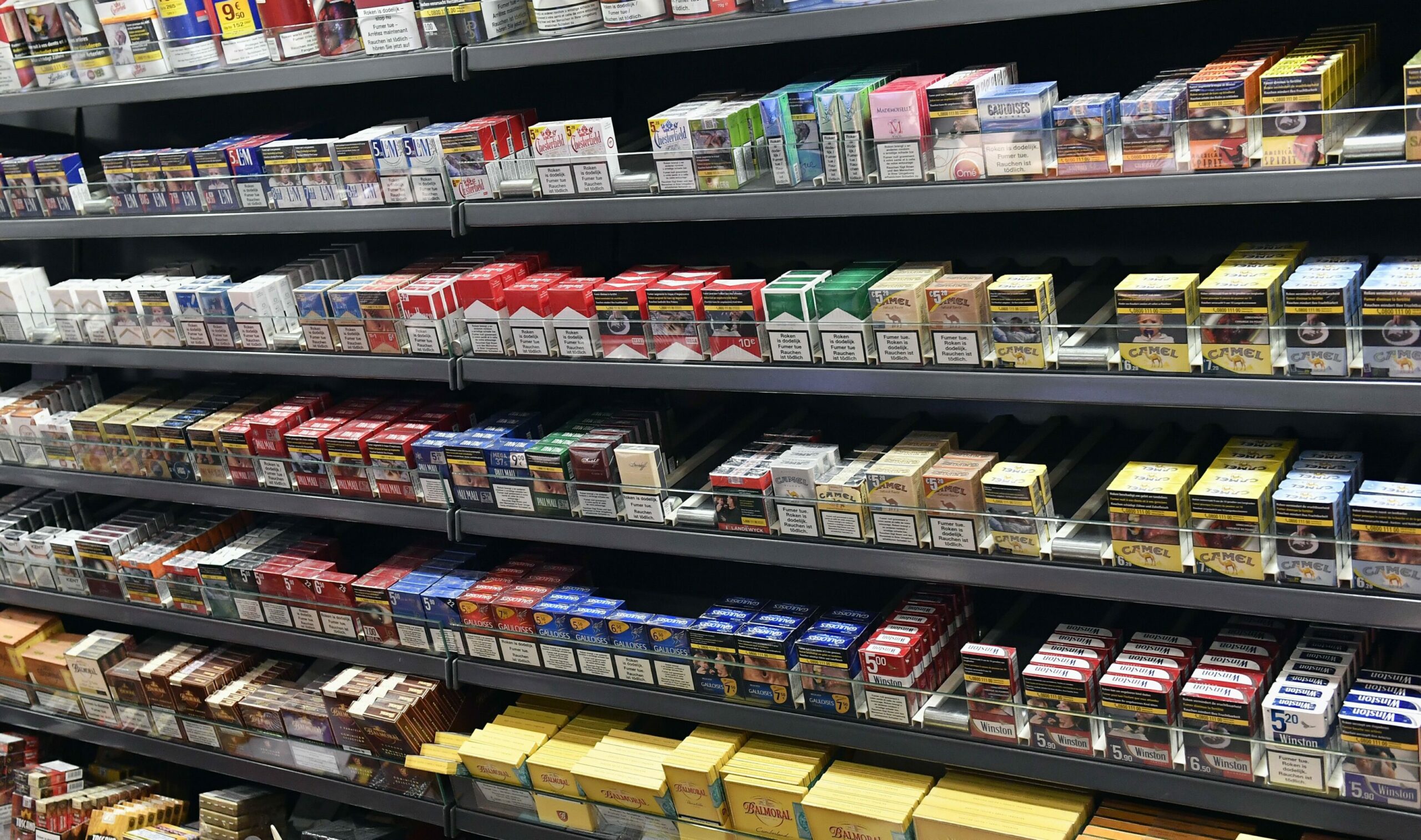
Illustrative image shows cigarettes and tobacco in a newspaper shop, in Brussels, Friday 25 November 2016. Credit: Belga / Eric Lalmand
Plain packaging has already been the norm for cigarettes, rolling tobacco, shisha tobacco and a few other products for some time, and will now also apply to cigars, cigarillos, pipe tobacco, devices (such as pipes, shishas and devices for smoking CBD), rolling papers, filters and tubes, among other things.
Due to the transition period for retailers (during which they can still sell any stock they have), products in non-plain packaging may still be available in shops for a few more months.
HPV vaccine reimbursed up to 30-years-old
Reimbursement for the human papillomavirus (HPV) vaccine Gardasil9, which can protect against cervical cancer and other conditions, is being extended. Reimbursement will now apply up to the age of 30.
HPV is a highly contagious virus that is transmitted through sexual contact and contracted by almost everyone. Although the body usually clears the virus itself, a long-term infection can lead to six types of cancer, including cervical, anal and throat cancer. It is estimated that HPV is responsible for around 5% of all cancers.
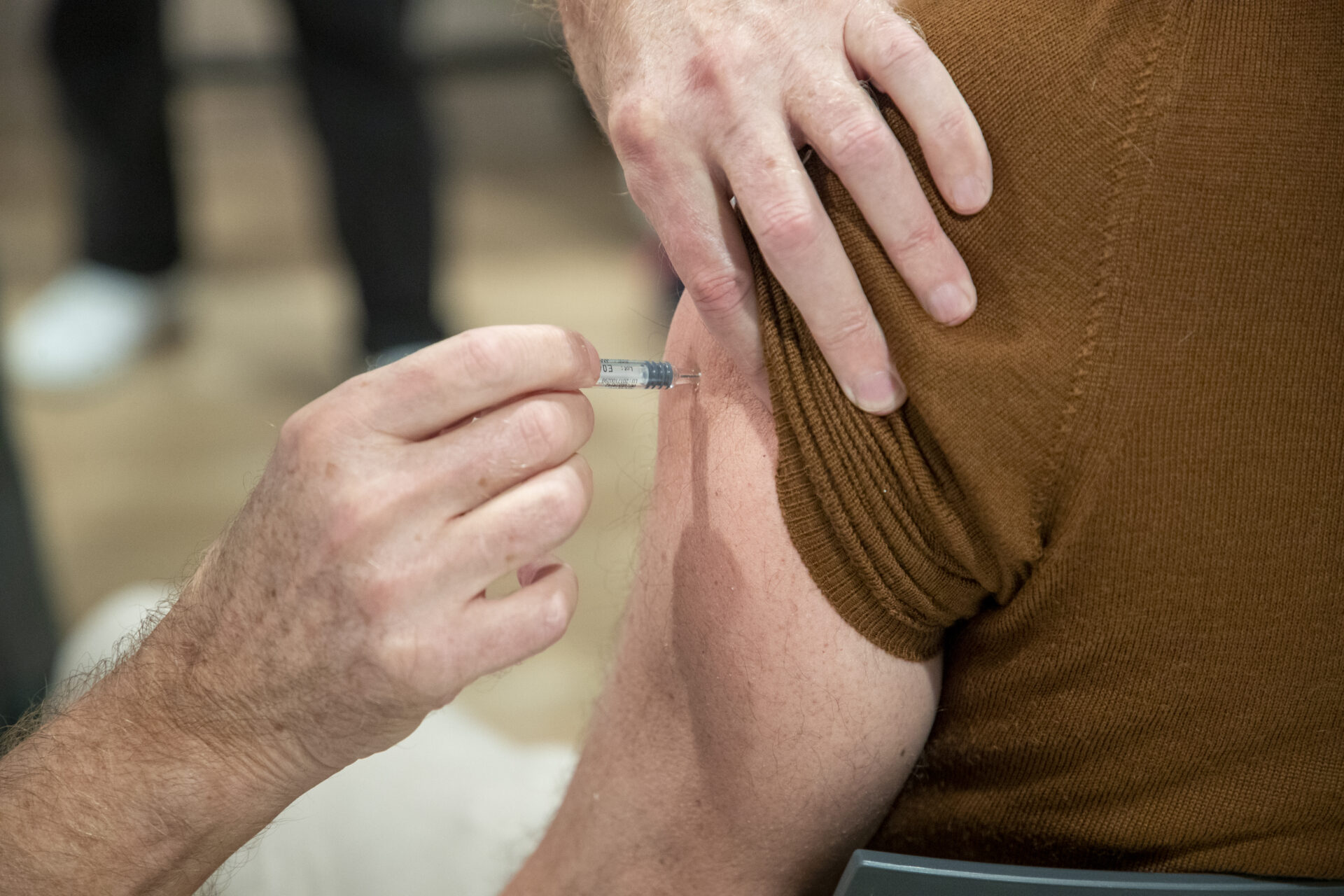
Credit: Belga / Nicolas Maeterlinck
According to Federal Health Minister Frank Vandenbroucke (Vooruit), vaccination offers effective protection against the most dangerous types of HPV. The Gardasil9 vaccine was already reimbursed for young people aged 12 to 18, which will now be extended to young adults aged 19 to 30 who have not yet been vaccinated.
For high-risk groups, such as HIV patients, patients who have undergone a stem cell transplant and patients awaiting an organ transplant, reimbursement applies up to the age of 45.
The vaccine costs over €120 and requires three doses. Thanks to the reimbursement, the patient will pay just €12.8 per dose.
Screening for immune disorder SCID in newborns
Newborns will now also be screened for the life-threatening immune disorder SCID (Severe Combined Immunodeficiency), announced Flemish Minister for Public Health Caroline Gennez (Vooruit).
Initially, SCID was due to be screened for from 2023, but this expansion was postponed several times.
SCID is a serious immune disorder that can cause young children to die from infections. Screening via the blood spot test (formerly called the heel prick test) is not compulsory, but more than 99% of newborns undergo the test.
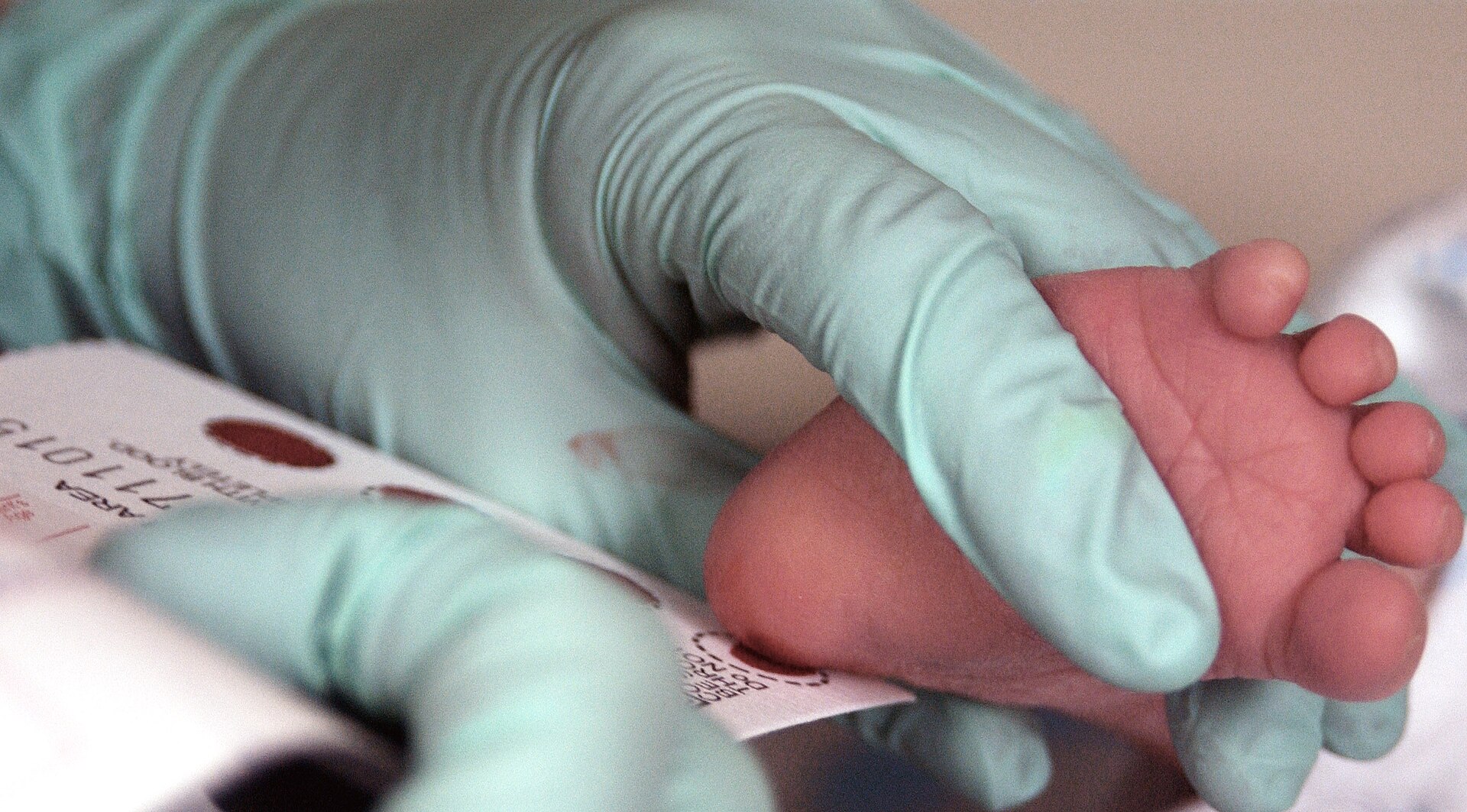
Heel prick test. Credit: Wikicommons
Currently, the blood from the test is already tested for 18 conditions: 14 inherited metabolic disorders, as well as cystic fibrosis, a congenital muscle disorder and two hormonal disorders.
All these conditions are rare but treatable. They are present at birth but not visible. The longer the treatment is delayed, the more severe the damage.
Right to be forgotten further extended
The right to be forgotten, which has existed in Belgium since 2019, will be further extended for people taking out debt balance insurance in Belgium.
Former cancer patients or people with a chronic condition previously faced great difficulty in taking out such insurance or had to pay a high premium. Since 2019, however, insurers are no longer permitted to take into account medical conditions for which treatment has been successfully completed when assessing risk.
Illustrative image of a person in a waiting room. Credit: Belga
Depending on the illness, the entitlement takes effect one, five or ten years after treatment. Several chronic conditions are also covered by the scheme, provided they are under control (e.g. diabetes).
Until now, former patients were still required to state in their insurance application that they had suffered from cancer in the past. This obligation to disclose is now being abolished. The scheme is also being extended to travel cancellation insurance.
Since 2022, the right to be forgotten has also been guaranteed when taking out income protection insurance.
Service and eco-vouchers
Fairtrade products available for purchase with eco-vouchers
The list of products that consumers can purchase with eco-vouchers will be expanded slightly once again: food and textile products bearing a Fairtrade label will be available for purchase with these vouchers, as will seafood products with an ASC label, which indicates sustainable farming.
Additionally, the "energy-efficient electrical" label, which can be paid for with eco-vouchers, will now cover domestic refrigerators in energy classes A, B or C, dishwashers in class A, and washer-dryer combinations in classes A, B or C.
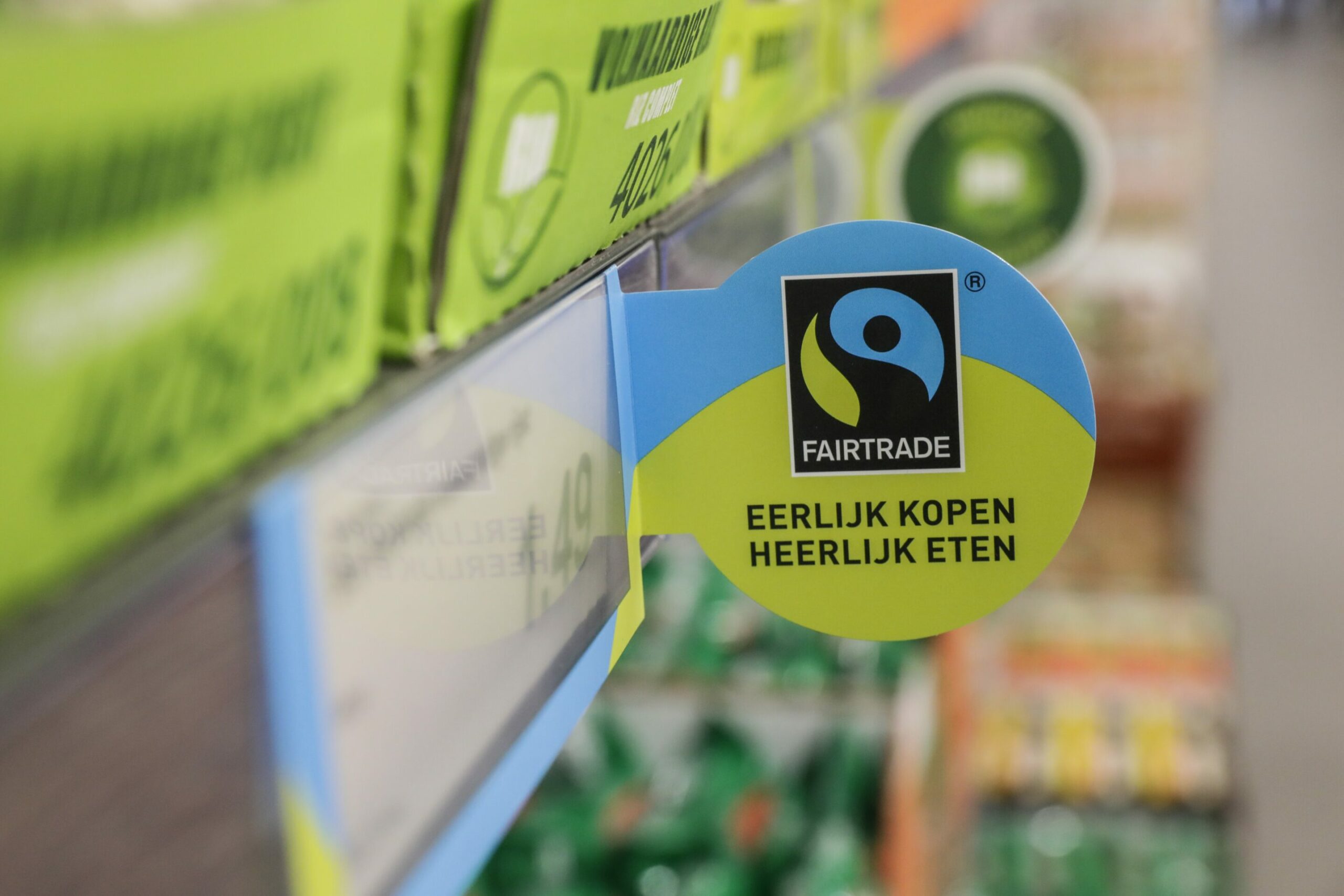
Fairtrade label in a supermarket. Credit: Belga/Thierry Roge
Automatic refund of expired service vouchers
Users of service vouchers no longer need to keep track of whether their vouchers are at risk of expiring unused; from this month, these service vouchers will be automatically refunded.
The automatic refund applies to service vouchers that expire on 1 June or later. For unused vouchers that expire before this date, the old rules apply: the buyer must apply for a refund themselves before the expiry date. Otherwise, they will no longer be refunded.
For the automatic refund, the user’s personal details, such as their account number, must be correctly entered in the user’s ‘My Citizen Profile’.
Service vouchers are valid for 12 months.
Only contractual recruitment at the railways
The Belgian railways will only recruit staff on a contractual basis from now on: statutory recruitment is a thing of the past.
Railway staff are currently largely appointed under the civil service system: of the approximately 27,000 employees, around 88% are civil servants. But from now on, all new employees will be given a standard employment contract.

Infrabel workers repairing electrical wires after a theft of copper cables, near the Schaerbeek train station, in Brussels. Credit: Belga/Bas Bogaerts
The measure is part of the plans by Mobility Minister Jean-Luc Crucke (Les Engagés) to modernise personnel policy at the railways, specifically the railway company SNCB/NMBS, rail network manager Infrabel and legal employer HR Rail.
1,000 home nurses to trial hourly pay
Just over 1,000 home nurses will be trialling a new payment method from June. As part of a two-year pilot project, they will be paid by the hour rather than per service.
According to the National Institute for Health and Disability Insurance (NIHDI), a new funding system is needed for home nursing due to "high workloads and a system in which valuable efforts are not sufficiently rewarded". Certain care tasks are not paid for under the current system.
A total of 58 home nursing practices are taking part in the pilot project. More than half of this group – comprising 32 practices and over 1,000 care providers – will test the new system. They will be paid by the hour, and travel time will also be reimbursed.
The other half of the practices, with over 900 home nurses, will be monitored as a control group. Based on the results of the two-year pilot project, a future funding model will be further developed.
