The European Union has paved the way for the formal resumption of accession talks with Ukraine, previously blocked by a Hungarian veto, according to EU officials.
On Wednesday, representatives of all 27 Member States gave preliminary approval to opening the first set of negotiation topics with Ukraine and Moldova.
A representative of Cyprus, which holds the EU Council presidency, called this an “important milestone” on the two countries’ path to European integration.
Hungary announces the lifting of its veto
Ukraine, now in its fifth year of all-out war with Russia, has been eager to join the EU as soon as possible.
Hungary, under Viktor Orban, had previously vetoed the continuation of discussions, which formally began in 2024, citing concerns about Ukraine’s accession.
Moldova was not subject to this veto, but its accession negotiations had been linked to Ukraine's, effectively stalling talks with both countries.
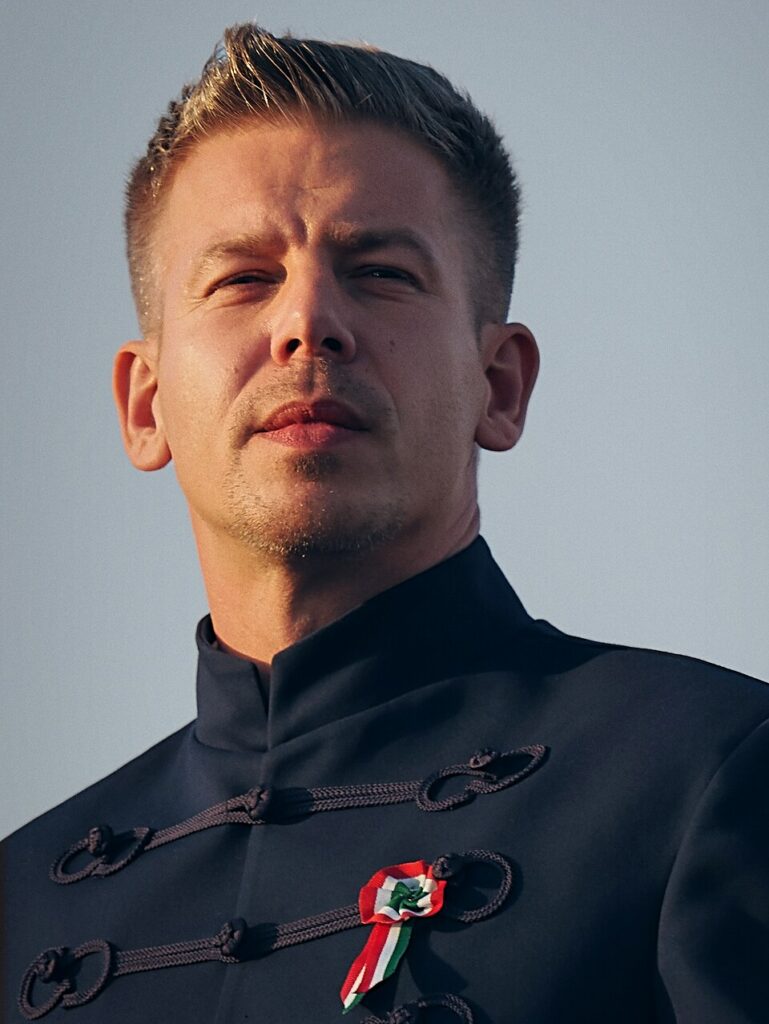
Several EU diplomats revealed that Hungary, now led by pro-European Prime Minister Peter Magyar, announced on Wednesday it was lifting its veto, clearing the path for formal talks to resume.
Negotiations could resume as early as next week
The resumption could occur as soon as next week during a ministerial meeting of the 27 EU Member States in Luxembourg, according to a diplomatic source.
At that meeting, the EU members are expected to decide on opening the first group of negotiation chapters, referred to as a “cluster” in Brussels terminology.
There are six clusters in total, covering all subjects required for seamless integration into the EU.
Before formal negotiations can restart, EU ambassadors are tasked with resolving several technical details in the coming days, diplomats indicated.
'Historic' agreement on the rights of Ukraine's Hungarian minority
Hungary will also need to confirm its withdrawal of the veto.
Peter Magyar expressed his happiness over a “historic agreement” with Ukraine regarding the rights of the Hungarian minority living there, which has long been a source of tension between the two nations.
If Kyiv formally approves the agreement, Magyar said he would support opening the first negotiation cluster.
Despite this progress, Ukraine’s path to full EU membership remains fraught with challenges.
Ukraine's accession bid still faces multiple challenges
At an EU summit in late April, leaders urged caution over Ukraine’s hopes of rapid accession to the 27-nation bloc, highlighting the complexity of the process for the country of 40 million people.
“It’s clear to everyone that immediate EU membership for Ukraine is, of course, not possible,” German Chancellor Friedrich Merz summarised.
Merz later proposed an arrangement to associate Ukraine with the EU before full membership.
However, Ukrainian President Volodymyr Zelenskyy rejected the idea, insisting that Ukraine’s accession must be “fully realised.”
