
After a marathon parliamentary session lasting more than 14 hours, the Parliament of the French Community of Belgium (Wallonia-Brussels Federation) approved the controversial education reform on Thursday night.
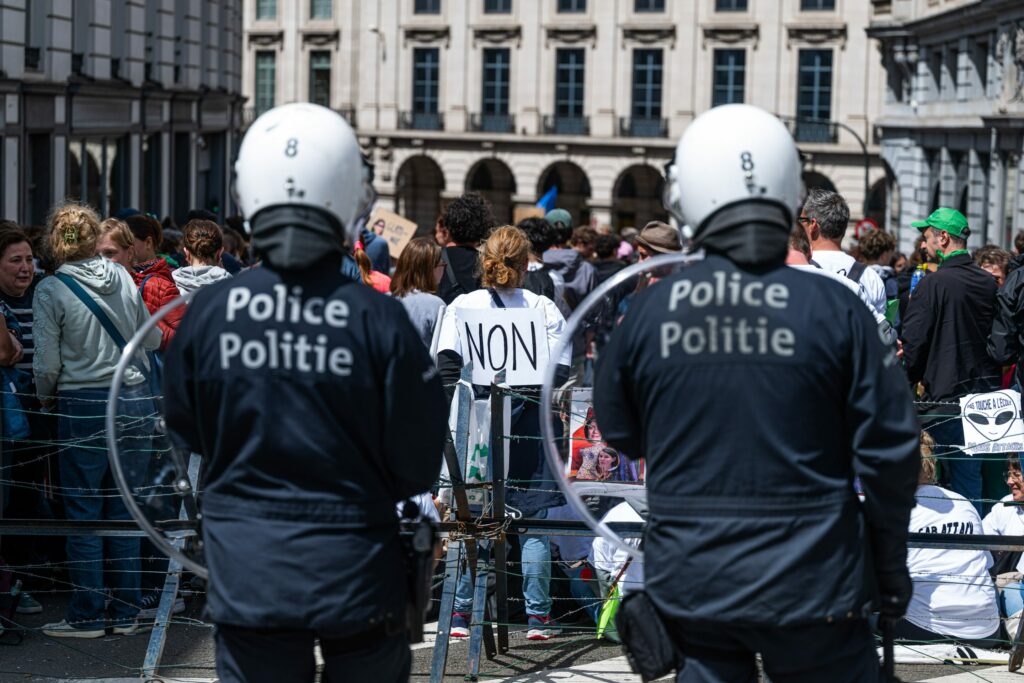
The vote comes after months of opposition from teachers, students and trade unions, with demonstrations continuing in Brussels on Friday following major protests the day before.
The reform, backed by the governing coalition of the liberal MR and the centrist Les Engagés, forms part of a broader austerity programme aimed at reducing the French Community’s chronic budget deficit. The measures are expected to generate around €500 million in savings by 2029.
Among the most contested provisions are a 10% increase in teaching hours for upper secondary school teachers without additional pay, a stricter sick-leave regime for permanent staff, tighter end-of-career arrangements, reduced funding for free school supplies and an increase in tuition fees for a majority of higher education students, rising from €835 to €1,194.
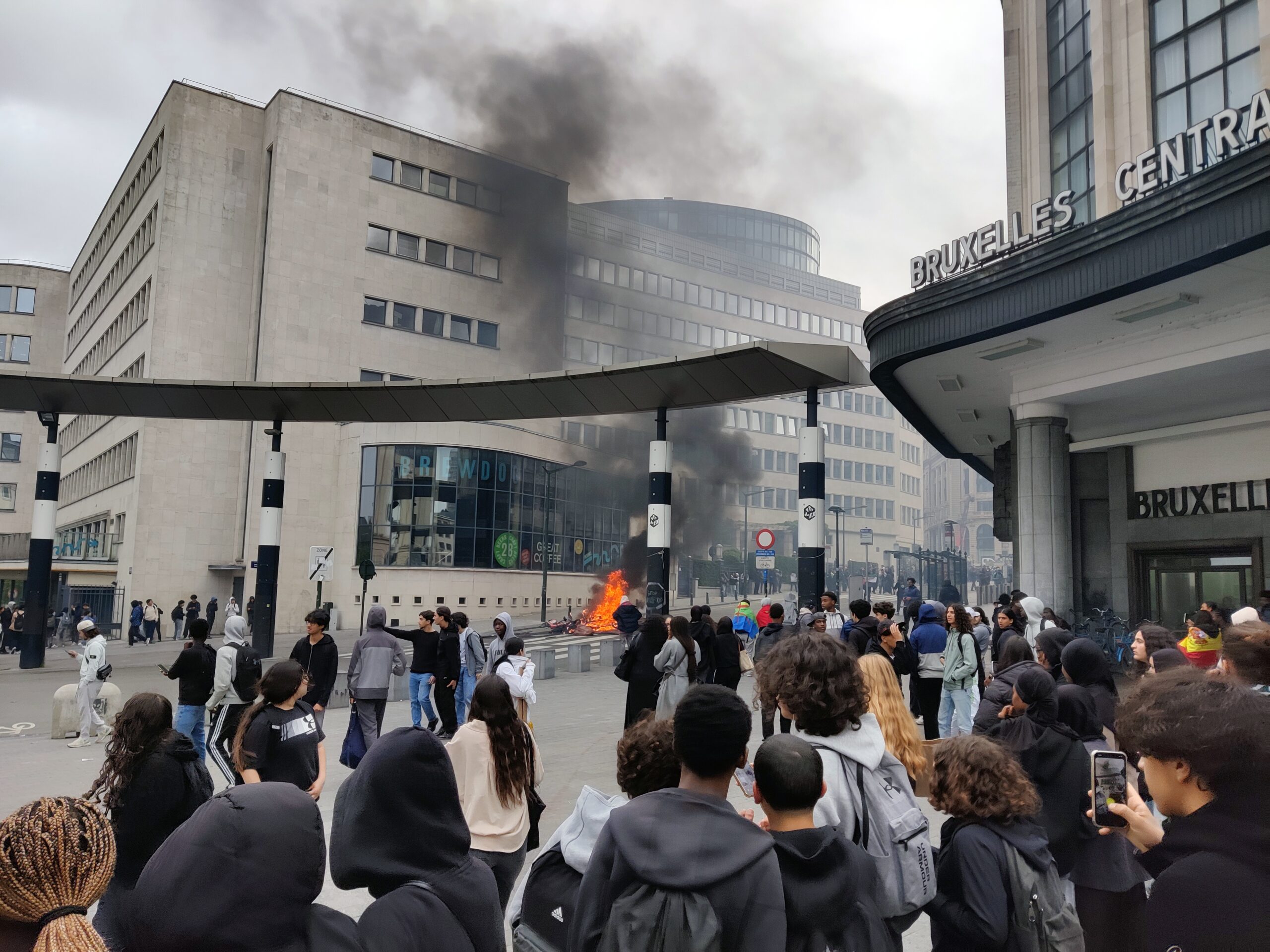
Youngsters gather for a protest action against the education decree, at the Central Station in Brussels on Thursday 04 June 2026. Credit: Belga
The vote took place against a backdrop of sustained social unrest. On Thursday, approximately 3,000 teachers and students were in Brussels to protest against the decree.
The mobilisation did not end with the parliamentary vote. Calls circulated on social media for renewed demonstrations on Friday afternoon, both to oppose the budget cuts and to denounce the police response to Thursday’s protests.
Opposition denounces a 'forced' reform
Opposition parties reacted angrily to the adoption of the decree. Martin Casier, leader of the Socialist Party (PS) in the Parliament of the Francophone Community, accused the majority of ignoring widespread opposition.
"Shame. Last night, the MR and Les Engagés voted through their education reform," Casier wrote on social media. “The shame of having ignored weeks of mobilisation and thousands of voices in the streets, schools and outside Parliament.”
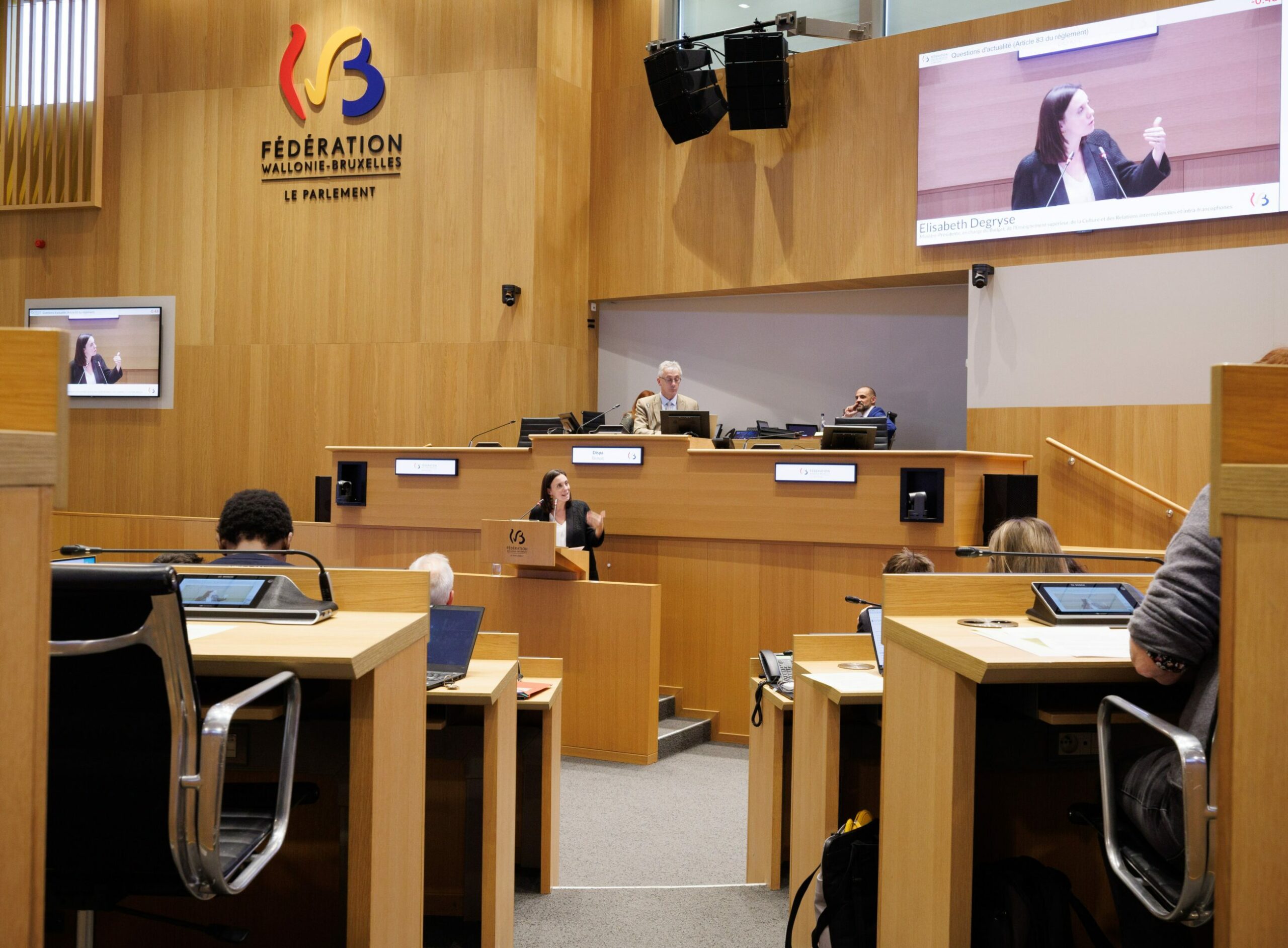
Minister-President of the Federation Wallonia-Brussels, Elisabeth Degryse, speaking in a plenary session of the FWB parliament. Credit: Belga / Benoit Doppagne
He argued that the reform would eliminate jobs, worsen working conditions, weaken education and make access to higher education more difficult for many young people.
The Green party (Ecolo) echoed those criticisms. Speaking on RTBF’s Matin Première on Friday morning, parliamentary group leader Bénédicte Linard stressed that opposition to the reform extended well beyond teachers.
“It is not only teachers who are saying no to this text,” she said. “It is parents, pupils, all those involved in schools, as well as university and college students.” Linard described the mobilisation as a “massive rejection” involving “thousands and thousands of people.”
Government parties defend ‘necessary’ savings
Despite the backlash, the governing parties insist the measures are unavoidable. Les Engagés leader Yvan Verougstraete defended the reforms during an interview on RTBF on Friday, describing them as "difficult but necessary".
"These measures are not pleasant, but they are necessary," he said. "The budgetary reality we face obliges us to make difficult decisions in order to preserve our education system and maintain the quality of education."
Verougstraete acknowledged the political risks associated with the reforms but argued that governing requires taking responsibility for unpopular decisions.
He also condemned incidents targeting elected officials during the mobilisation and called for a return to dialogue with teachers, school leaders and education stakeholders.
The Les Engagés leader further sought to reassure teachers by promising that those already employed during the 2026-2027 school year would be able to retain their teaching assignments, with additional funding being made available to support that commitment.
