
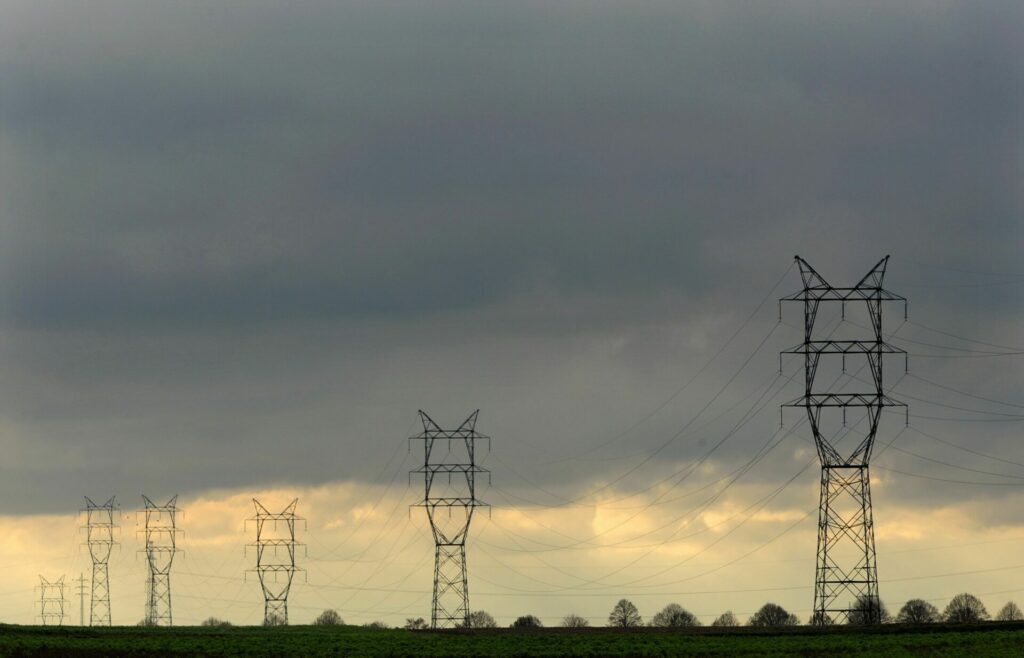
By 2030, the Netherlands will no longer be able to fully meet electricity demand, warned the Dutch high-voltage grid operator TenneT on Wednesday in a report to the Dutch government.
In all scenarios examined by the grid operator, there will be a power shortage in 2030 exceeding the maximum permitted four hours per year – the permitted standard in the Netherlands.
Last year, TenneT warned that this would not happen until after 2030. If no action is taken, this could rise to between 37 and 46 hours per year by 2035, according to the operator.
This is mainly because electricity demand is set to rise further in the coming years, for example, due to the increase in electric cars. At the same time, the required generation capacity in 2030 will be limited.
Taking swift action
If a shortage occurs, power cuts could occur in parts of the country, for example. The problems will mainly occur in the mornings and evenings during winter. That is when households and businesses typically consume the most electricity.
TenneT is calling on the government to take swift action. According to the grid operator, the Netherlands must start building up strategic reserves, look into introducing a capacity mechanism – compensating companies for keeping capacity available, a mechanism that also exists in Belgium – and focus more on demand response.
There is also a need for greater coordination with neighbouring countries, it says.
