
The Cypriot presidency of the Council of the European Union on Thursday proposed a new multiannual EU budget that reduces the European Commission’s original proposal by almost 2%.
The European Commission had suggested a budget of €2 trillion, equivalent to 1.26% of the EU Member States’ gross national income (GNI), for the 2028-2034 period.
Cyprus is now proposing a moderated reduction of nearly 2%, amounting to €37 billion less in current prices. This would bring the budget to 1.23% of GNI, or 1.13% if repayments for the COVID-19 recovery fund, NextGenerationEU, are excluded.
For comparison, the EU budget for the current period (2021-2027) started at 1.11% of GNI, with no inclusion of NextGenerationEU repayments.
Proposal to be discussed at a 13-14 June summit
The European Parliament had previously criticised the Commission’s proposal as inadequate to address current challenges while preserving major EU programmes.
It recommends keeping the Commission’s suggested GNI percentage largely intact but excluding COVID-19 loan repayments from budgetary ceilings. This adjustment would create approximately €200 billion in extra funding space over the budgetary period.
EU leaders will discuss Cyprus’s proposal at a summit in Brussels next Thursday and Friday.
Funding for agriculture to remain untouched
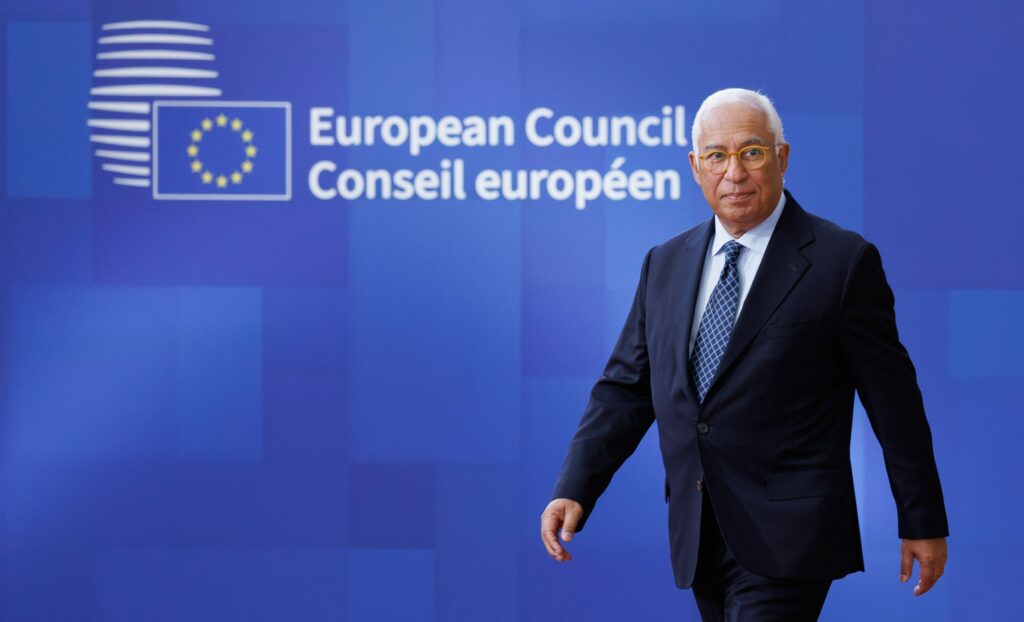
Negotiations often face resistance from national leaders prioritising their own key interests. EU Council President Antonio Costa, in his summit invitation letter, stressed the critical need for progress on “new own resources” to align ambitious goals with necessary funding.
“This proposal is a step towards further negotiations,” said Cypriot Deputy Minister for European Affairs Marilena Raouna. “It moves us closer to a deal by year-end.”
The Cypriot presidency emphasised that the budget cuts are targeted rather than across the board. Funding for agriculture and cohesion will remain unchanged, while reductions affect competitiveness, security, and external action.
Negotiation box includes customs duties
Though divisive, the proposal aims to break the deadlock, according to Raouna.
The proposal’s ‘negotiation box’ retains the Commission’s architecture for own resources, including the plan to lower customs duty retention by Member States from 25% to 10%, a measure widely criticised in Belgium.
However, it defers decisions on contentious issues like existing discounts for certain countries.
Ireland will take over the Council presidency on 1 July and lead discussions in hopes of reaching agreement by year-end.
