
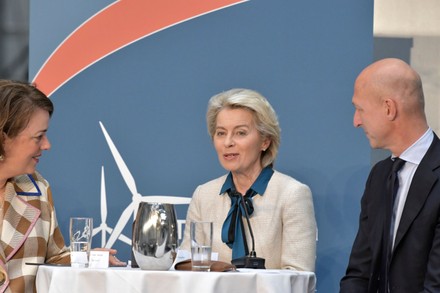
The European Commission is going to allow governments to spend more so that they can dig themselves out of the energy crisis, but fiscally-frugal nations are already complaining.
The European Union’s single market requires stability in order to function well in its role as a prosperity-driving juggernaut. That means governments cannot be too indebted and cannot spend money like there is no tomorrow.
Under EU rules, debt should not exceed 60% of gross domestic product and budget deficits, the gap between what is spent and what is collected in tax, must remain below 3%.
These rules are there to protect all EU countries from the threat of economic contagion, make sure the euro stays in good health and hopefully ward off any near-disasters like the 2007-2008 financial crisis.
But it puts countries that are already at the debt ceiling in a particular bind when emergencies happen and they need to spend their way out of it. Especially when times are tough and the prospect of new taxes is political poison.
We are living through one of those moments right now. The energy price crisis, triggered by the United States-led military action in the Middle East and the closure of the Strait of Hormuz, has led to a rethink of these fiscal rules.
It is pretty clear that countries that do not rely so much on imports of foreign fossil fuels are more insulated from the ongoing hardship. Domestically produced sources of energy are immune from this global volatility and are helping to keep bills on the level.
That is why building more wind, solar, hydro, storage and other forms of energy that do not rely on fuel imports is a proven way out of the current mess and a hedge against future crises.
At the beginning of the month, the European Commission said that countries would be allowed some flexibility under the fiscal rules and that green investments will be exempted up to a certain limit.
Governments will be allowed to go 0.6% over the limit up to 2028, providing that not more than 0.3% of spending is made in a single calendar year. The Commission is now drawing up an exact list of eligible investments that can be made.
We already know that this will not include direct energy subsidies for households. The Commission has warned governments to not make that kind of short-term play, so the supported measures will be ones with a longer-term view.
There will be additional checks and balances, as governments will have to get the support of the European Council to make the investments. A simple qualified majority of support will be enough to pass it.
Penny-pinchers pitch in
What sounds like a common sense approach to crisis management already has its critics, as more frugally-minded nations are warning that it sets a bad example and could provide an unfair market advantage.
A coalition of countries like the Netherlands, Sweden, Denmark and Austria say that allowing this leeway will erode budgetary discipline and provide larger countries with an unfair advantage to invest in their own industries.
But this kind of thinking is too parochial and misses the bigger picture. The kinds of investments that should be allowed under this exemption will benefit the entire EU by building a more resilient internal energy market.
If my neighbour is prepared for an approaching storm and I’m not, well, the chances are that I’ll be able to rely on their help if needed. If I haven’t pissed them off too much beforehand, which is what the frugal countries risk doing now, quite frankly.
Healthy budget-keeping and fiscal discipline are absolutely needed right now, but the challenges Europe is facing also require innovative and quick thinking. Pulling the usual EU trick of complaining and frustrating progress would be a mistake.
Want more updates and analysis of what is happening in the world of energy and climate? Interested in finding out more information about public tenders and consultations? Sign up to our Energy Rundown newsletter here!
