
Europe’s health and social model is at a crossroads. Thanks to investment in medical innovation, advances in both diagnostics and treatment are allowing people to live longer as fertility rates in EU countries continue to fall.
These trends pose an intergenerational challenge: how do we fund commitments to ensure seniors live active and engaged lives, thereby ensuring the long-term sustainability of the EU welfare and economic model.
Such challenges are often discussed separately. For policymakers, they should be treated as part of one strategic agenda: demographic resilience. A joined-up strategy, linking gender equality, fertility care access, prevention and active aging, should be seen not only as a health topic, but as a matter of competitiveness, cohesion and intergenerational fairness.
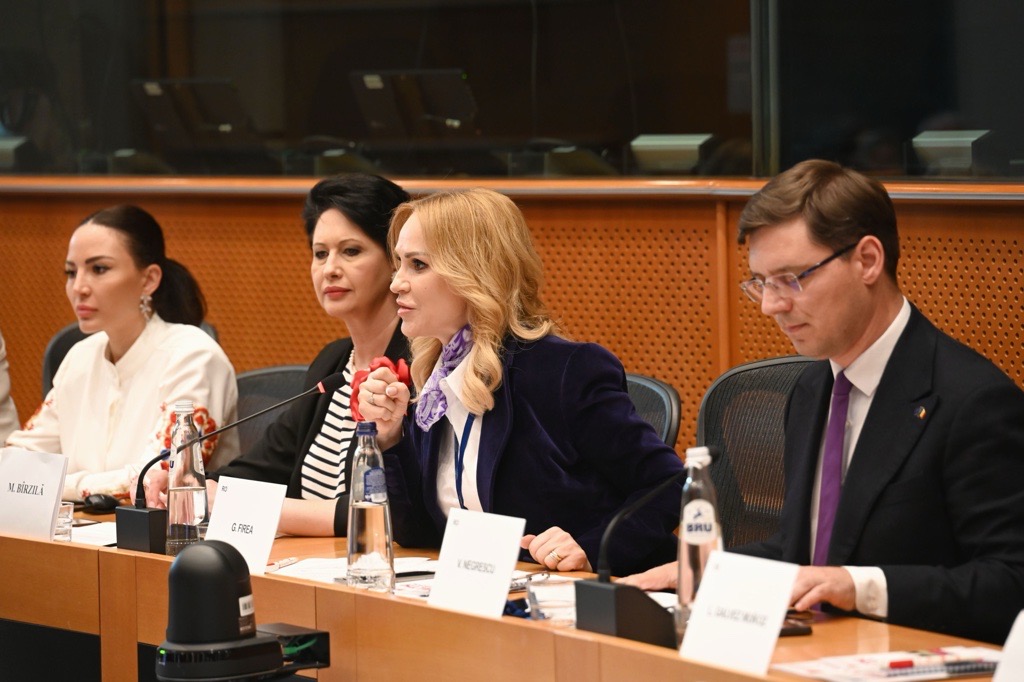
A call for an EU fertility access fund
Romanian MEP Gabriela Firea has called on the European Commission to establish a fertility access fund, highlighting that the total fertility rate in Europe declined to around 1.34 in 2024. This means that fewer than three working-aged people support each person over the age of 65.
The increasing burden on younger generations – 30% of the EU’s population is forecast to be aged 65 or over by 2050 – should not be addressed in isolation but be considered an interconnected element of an overarching strategy to improve Europe’s long-term resilience, competitiveness and the sustainability of its social model.
Firea points out in her letter to European Commission President Ursula von der Leyen, published on EU Family Day, that limited access to infertility diagnosis and treatments is a significant factor behind this demographic trend.
She proposes a new EU-level fund backed by cohesion funds and national investments to support couples and expand access to fertility treatments like IVF. Additionally, the initiative would support childcare solutions and promote family-friendly workplace practices that can also strengthen women’s labour participation.
The European Commission estimates that the gender employment gap costs the EU economy around €370 billion every year. Advancing gender equality in employment, however, could increase the GDP of the EU by up to €3.15 trillion by 2050.
Crucially, the discussion should move beyond aging policies alone. Closing the fertility gap between desired and actual family size is an economic and societal resilience issue and it demands comparable attention to other long-term EU priorities.
Building political momentum for a joined-up agenda
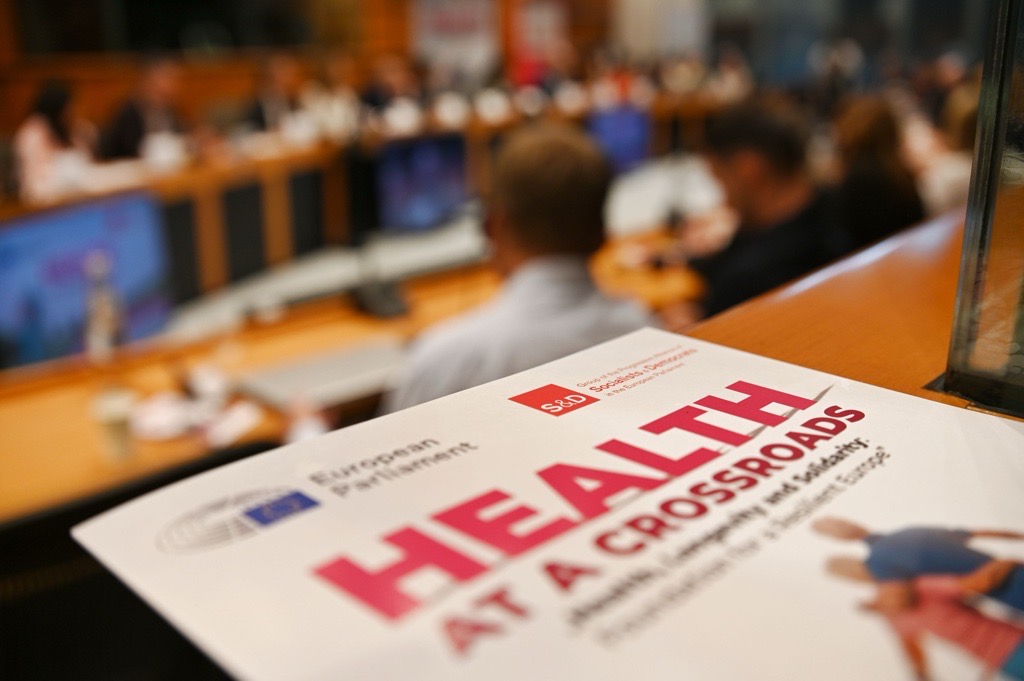
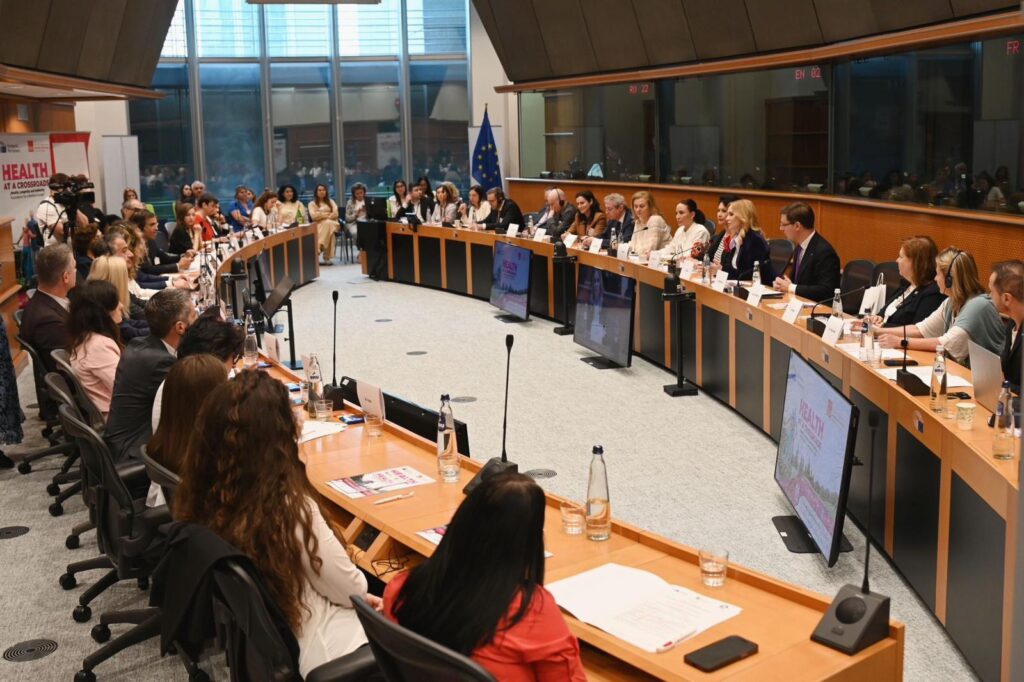
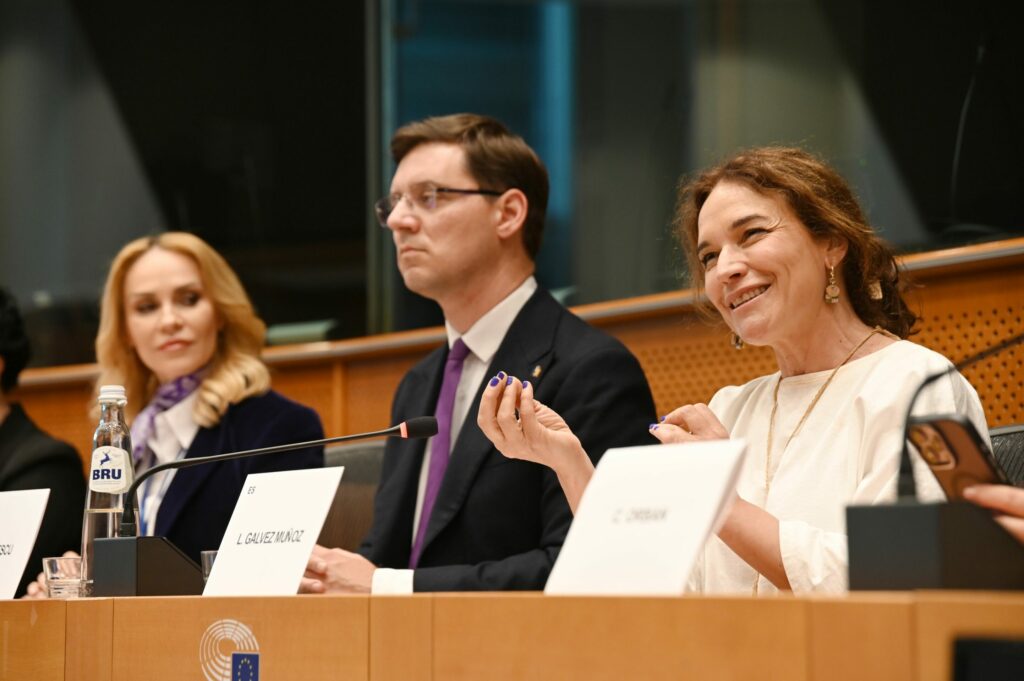
To develop broader support, on June 1 Gabriela Firea convened a European Parliament conference, “Health at a Crossroads: Active Aging, Prevention & Demographic Resilience”. The event brought together MEPs, European Commission officials, Romanian senators and health authorities, patient associations, private-sector representatives, and media and civil society. Together, they drafted policy recommendations to promote active aging, tackle demographic challenges, and boost European competitiveness.
At the event, all the invited stakeholders signed an updated and amplified version of Firea’s letter to President von der Leyen.
A central takeaway was that fertility decline, chronic disease and aging are interconnected. Participants argued that addressing them through isolated initiatives will not be sufficient.
Their comments echoed the report of Mario Draghi on the future of European Competitiveness, and the report of the future of the Single Market by Enrico Letta, which emphasised that how the EU responds to its demographic challenges will determine its long-term competitiveness and prosperity.
At the conference, Dimitrios Georgiopoulos, Head of Wider Europe at Merck, stressed that Europe can preserve its competitiveness and way of life if aging, prevention and fertility are tackled together, with people at the centre. “A dedicated EU Fund for fertility care should be viewed not as a nice-to-have, but as an imperative for our future resilience and growth," he said.
This issue is a shared responsibility. Public policy can be completed by corporate policies, with businesses having a vital role to play.
For example, Merck has introduced a fertility benefit programme that provides financial support, flexible working and access to fertility treatments and services to employees worldwide. The programme has already received over 3,000 claims from more than 650 employees globally.
The company’s experience suggests that workplace measures, when combined with public policy, can address real-life access barriers. The policy implication is clear: Europe can scale impact faster when public and private actors align around measurable access outcomes, rather than treating fertility purely as a private matter.
A strategic challenge – not an inevitable crisis
In her opening remarks, Firea reaffirmed the need for European funding to ensure that "all couples across Europe with an infertility diagnosis are not prevented from having children because of a financial barrier". She noted that conference proposals will be forwarded to key decision-makers to help sustain momentum beyond a single event.
Speakers also emphasised that rising life expectancy is one of Europe’s greatest achievements. Alexandra Dobre, founder of the Romanian Institute for Active Aging, argued that the demographic shift should be treated “not as an inevitable crisis, but a strategic challenge to which Europe must respond with vision, solidarity and investment”. She underlined that inactive aging is associated with higher risk of chronic diseases, anxiety and depression and that demographic responsibility spans multiple policy domains: health, education, labour markets, housing, mobility, digitalisation and regional development. This reinforces the case for an EU strategy that connects prevention, participation and social infrastructure.
Victor Negrescu, vice-president of the European Parliament, highlighted that declining investment in healthcare has left societies insufficiently prepared for demographic change – an argument for earlier, prevention-focused spending rather than late, crisis-driven expenditure.
Finally, Lina Gálvez, chair of the European Parliament’s committee on women's rights and gender equality, stressed that women’s health has often been under-prioritised, including the impact of workforce participation. Another reminder that fertility and demographic resilience policies must be grounded in women’s health.
What policymakers can do next
Demography does not determine destiny, but policy choices do. If Europe wants to safeguard competitiveness, prosperity and social cohesion, it should treat fertility, prevention and active aging as belonging to a single agenda.
As Firea highlighted, the establishment of a European Fund dedicated to fertility access is not just a response to demographic trends – it is a direct investment in the future of the European project and the next generations of European citizens.
Focused next steps should include:
- Establishing an EU Fertility Access Fund with clear eligibility, equity principles and measurable access outcomes.
- Integrating fertility care into broader prevention and life-course health strategies, recognising infertility as a medical condition with significant inequality in access.
- Strengthening data and methodology to assess how demographic trends affect competitiveness, labour markets and healthcare sustainability.
- Scaling family-friendly ecosystems, including childcare availability, workplace flexibility and support structures that enable participation, especially for women.
- Anchoring demographic resilience in cross-EU Commission directorate and cross-committee cooperation, reflecting the multi-sector nature of the challenge.
The coverage of this topic has been made possible with the support of Merck, while all research and writing were conducted by The Brussels Times
