
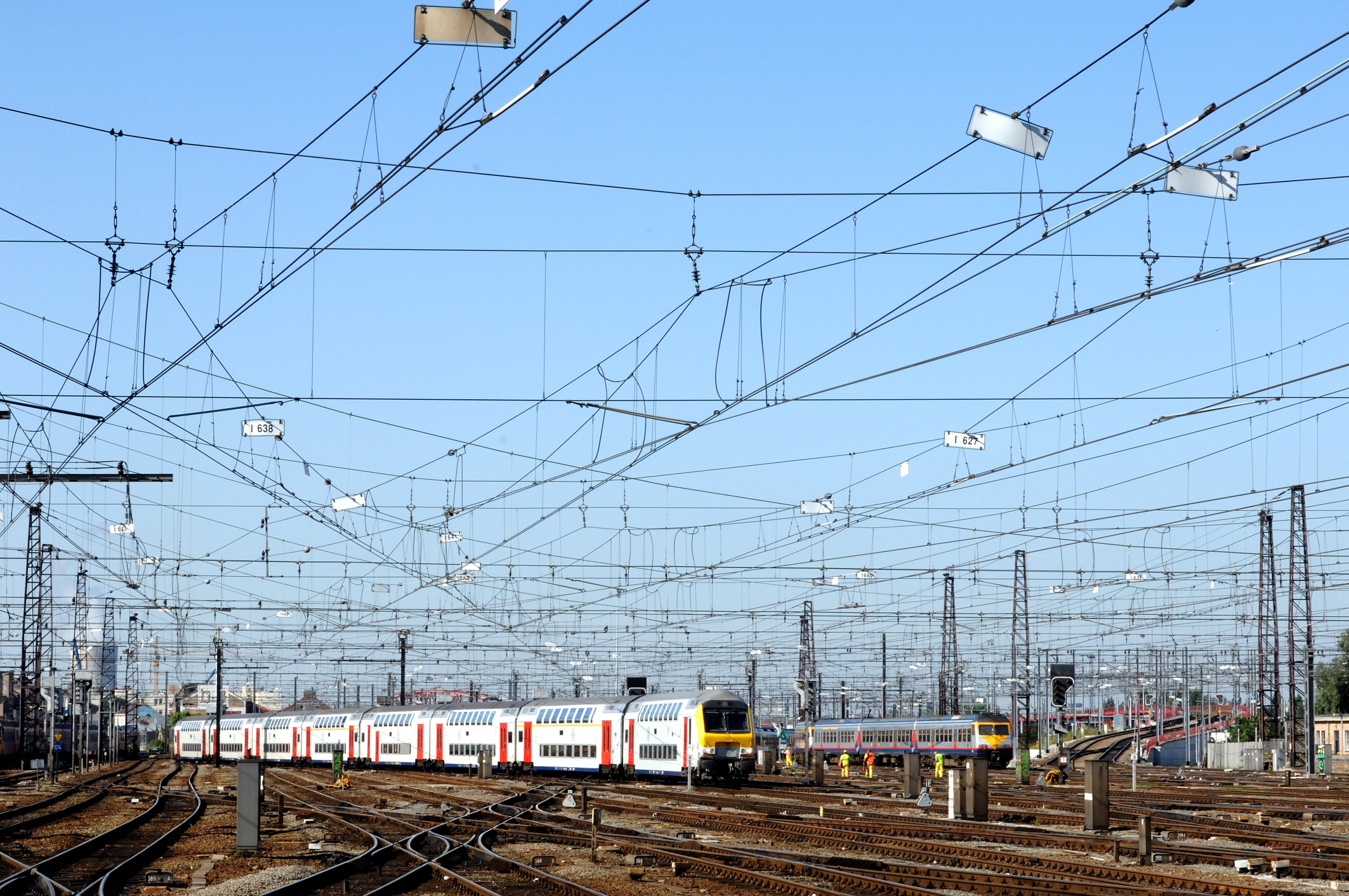
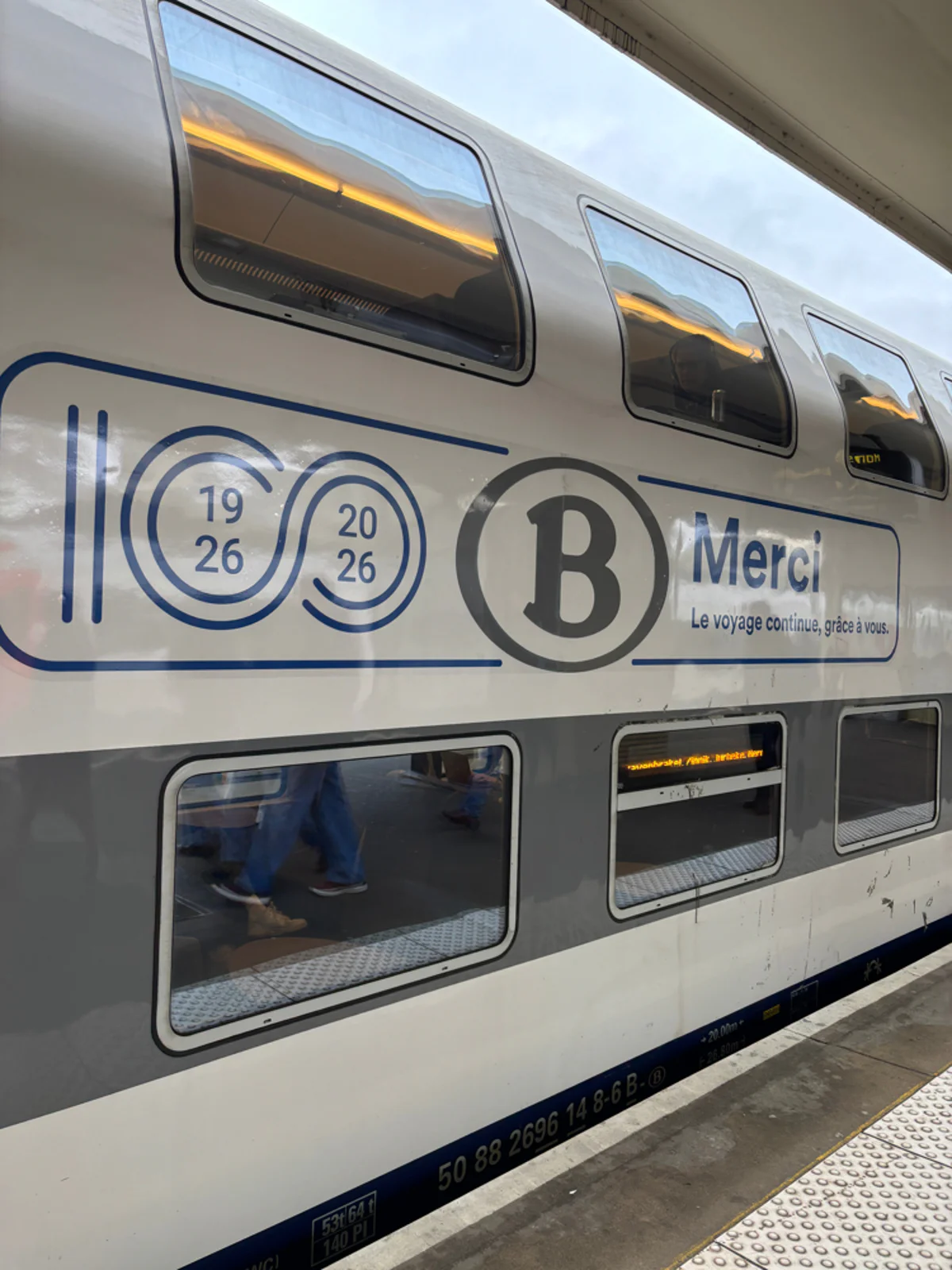
The year was 1926. Marilyn Monroe had just been born, Route 66 was beginning to stitch its way across America, and Belgian troops were finally withdrawing from the occupied zone around Cologne. At home, meanwhile, Belgium was embarking on a different reconstruction project: rebuilding a railway system shattered by war.
Out of that effort emerged the National Railway Company of Belgium – SNCB in French, NMBS in Dutch. Created to rebuild and operate a network devastated by the First World War, the state-owned company would go on to shape modern Belgium, carrying workers, commuters, holidaymakers and freight through a century of social and economic change.
Yet the centenary arrives at an awkward moment. Passenger numbers are rising (up 1% last year), and rail sits at the heart of Belgium's climate ambitions, but many travellers still experience the network as overcrowded, unreliable and oddly dated. Belgium subsidises its railways generously and maintains one of Europe's most extensive networks, yet critics question whether the system delivers enough for the money it receives.
That challenge is compounded by growing questions about the company's strategic direction. While SNCB-NMBS points to its investment programmes, there are concerns that management has often appeared more focused on managing demand than expanding capacity, and that key decisions have done little to address chronic overcrowding and bottlenecks. A hundred years after its creation, SNCB-NMBS is not merely celebrating its history; it is defending its relevance.
Early electric
The questions may be modern, but the challenges are not. When SNCB-NMBS was founded, Belgium's railways were in ruins. Around half of the rolling stock had been destroyed, along with roughly half the network itself. Even surviving infrastructure faced an uncertain future. Ageing wooden carriages had to be replaced with heavier steel trains, forcing engineers to reinforce bridges that had somehow survived the conflict.
The idea for the company had been brewing for years. Before the war, the government had steadily absorbed struggling private railway concessions, but ministers worried that running the network directly as a state department would make it harder to finance the vast investment still required. Their solution was characteristically Belgian: create a company to run the railways, while ensuring the state retained control. A century later, it still does.
At least this is the story told by Thierry Denuit, who heads the heritage department of SNCB-NMBS. I meet him at his office next to Train World, a large multi-roomed museum located in Schaerbeek station. The €25m attraction, which opened in 2015, is dedicated to telling the story of Belgian rail. In 1935, the country was one of the first to embark on a process of electrification and now only a couple of lines run on diesel. The museum does a decent job of displaying this transformation with lights on a map.
In addition to the need to rebuild after war, Denuit cites Belgium’s population density as a reason for the early switch to electric lines. “The railway serves a lot of people, and so you can spread the investment over more passengers, more trains, and so it's easier,” he says. Densely populated areas today across the world mostly have electric rail lines, while diesel power is still more prevalent in the countryside since the maintenance costs are lower.
World War Two marked another major turning point in the company’s story. While much infrastructure was damaged by Allied bombing, Denuit insists it was the conditions of the recovery funding under the Marshall Plan that led to the near collapse of rolling stock and track construction in the country. Belgium was required to buy American or Canadian hardware, he says, and the Belgian industry – “which had been a huge exporter, providing the tracks and stock for one of the largest lines in China” – all but disappeared.
Train passenger numbers plummeted over the following decades as the popularity of the car continued to rise. It was not until the advent of high-speed rail in France in the 1980s, and a few years later in Belgium, that this trend from rail to road started to reverse. SNCB-NMBS invested in Eurostar, the company operating the Channel Tunnel passenger services, and Thalys (now owned by Eurostar), a joint venture with SNCF in France.
In 2005, the company was split into three parts: Infrabel, which manages the railway infrastructure, network operations and access; the rail operator itself, which manages the freight and passenger services; and a holding company for both businesses. (The holding company has subsequently merged with SNCB-NMBS).
The restructuring was to comply with EU market liberalisation rules, and several freight companies now operate on the Belgian network. With the turnaround in rail in the 1990s, the company began investing in mobility solutions such as bicycles. “They realised they required a solution for the ‘last mile,’” says Denuit. “We have to invest in parking and in rental bikes to make sure that people can do this last mile to their work or to their home.”
Regional and punctual
Around the turn of the millennium, the company renewed its focus on regional lines, especially routes into Brussels. In many cases, increasing the frequency of services that stop at all suburban stations required the laying of additional tracks, to avoid holdups for non-stop intercity connections. As part of this initiative, the company also invested in suburban trains that offer a higher passenger capacity with seating arrangements akin a tram or bus.
SNCB-NMBS was keen to talk about its history. It was less keen to discuss its future, declining our requests to make senior executives available for interview – inevitably raising further questions about confidence in its own strategy. However, a spokesperson noted that passenger numbers increased by 1% to 207.8 million last year despite the impact of 27 days of strikes.
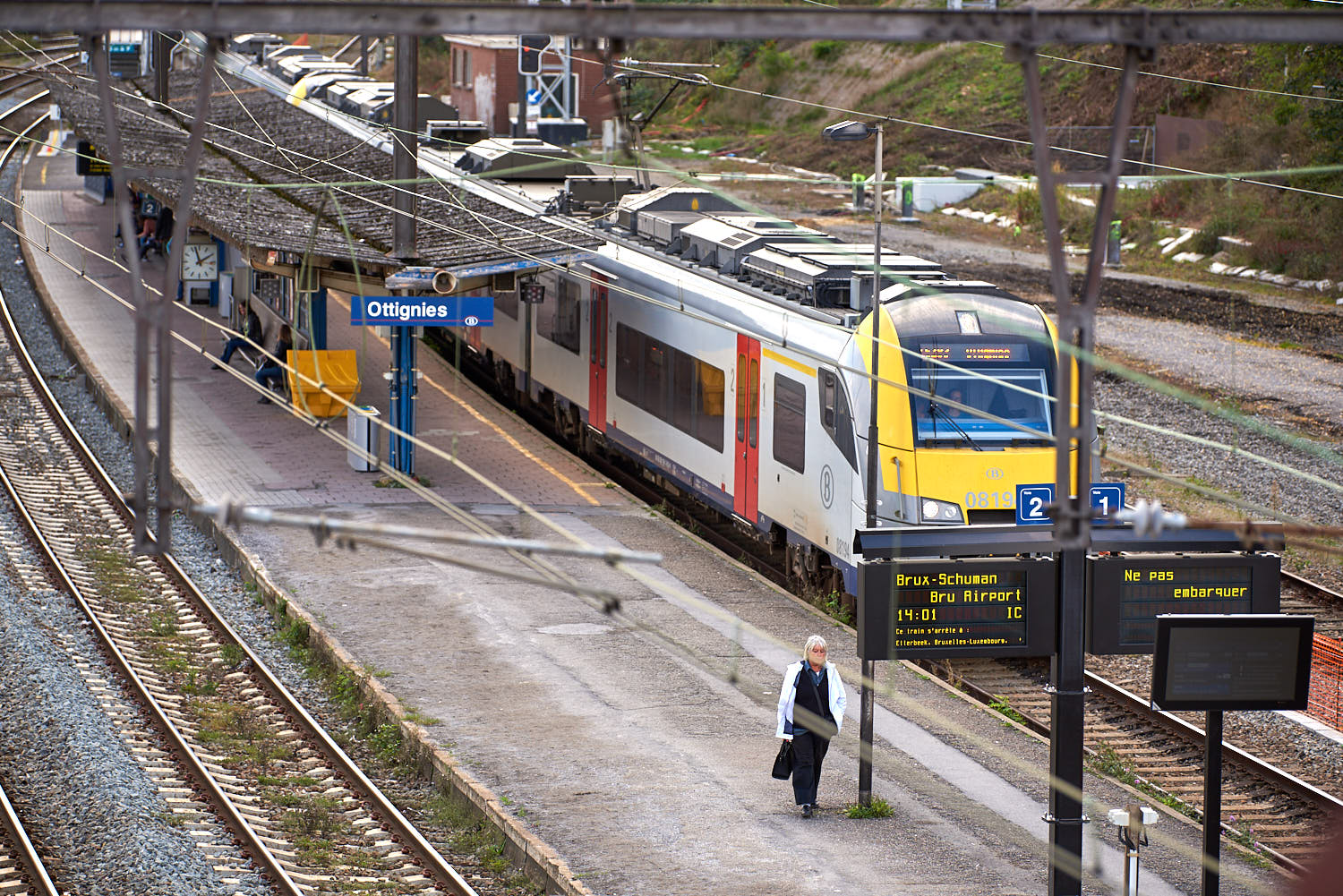
For an assessment of the railway's current performance, it is therefore necessary to turn elsewhere. Pieter Vansteenwegen, chair of the KU Leuven Institute for Mobility (LIM), offers a more detached view. He says the regional network – the so-called ‘S network’ that was named to draw comparisons with the S-Bahn in Germany – is “working well for local travellers and commuters from the broader, metropolitan area of Brussels,” although he notes that the network is still not completed.
These suburban lines do not cross the north-south connection of Brussels, which has long since been known as a bottleneck due to the lower number of tracks at the central station – just six platforms – than at the north and south terminals. Vansteenwegen explains that expansion would be expensive and difficult because the Central Station is underground.
Central, along with the Brussels North and South Stations, is among the top five most used in Belgium. His team’s research concluded that the bottleneck problem was complicated by the trains needing to cross grids just outside Brussels North and South. Incidentally, the bottleneck is one of the reasons why the company invested in double-decker trains, Denuit says.
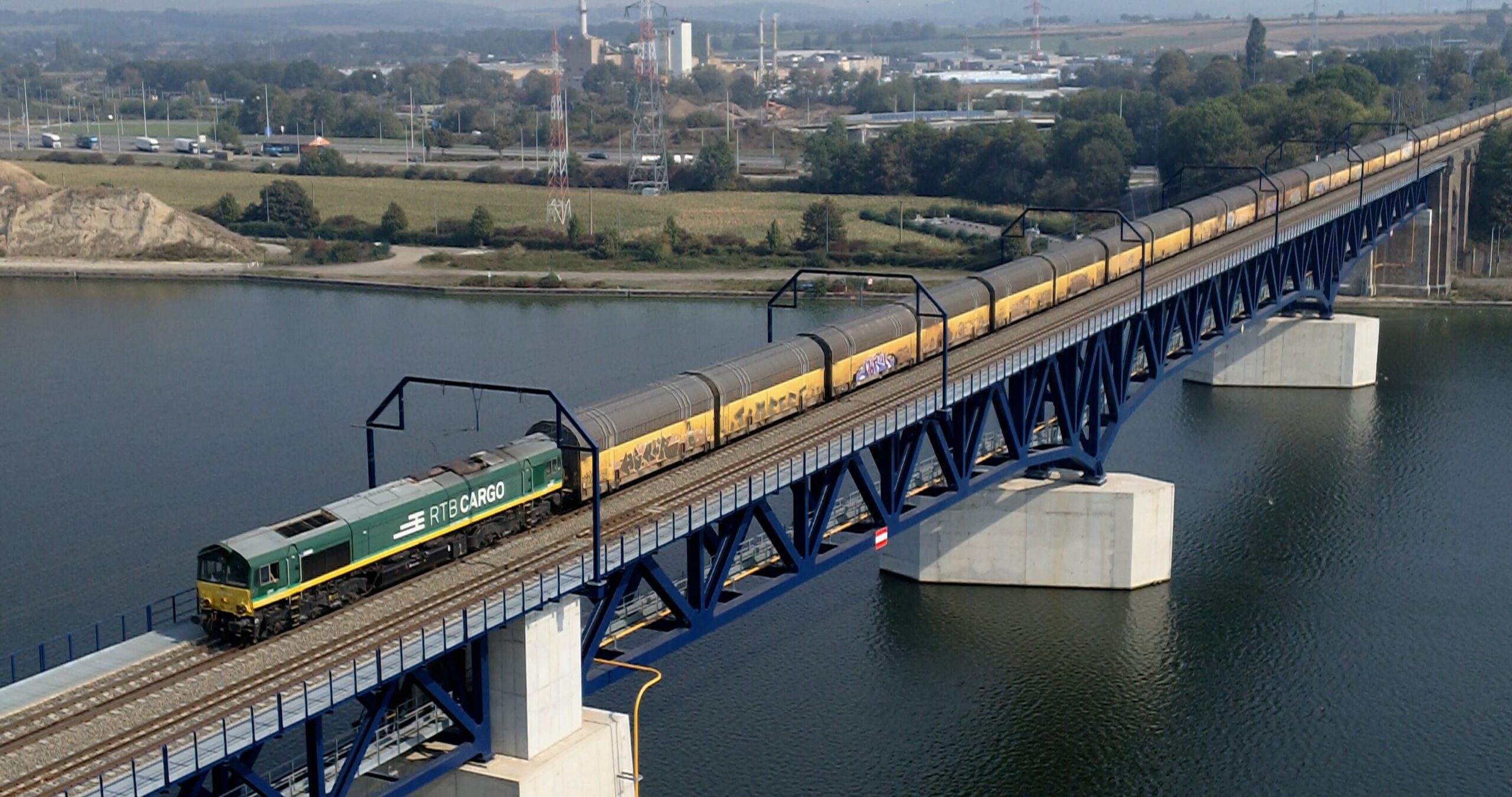
Illustration shows aerial view of a railway bridge over the river Meuse (Maas), in Vise, Wednesday 16 September 2020. Credit: Belga
A further challenge that the company is currently addressing is managing commuter travel. “During peak hours, a lot of trains travelling to Brussels and Antwerp are very crowded,” Vansteenwegen says, “and one way of improving the situation is to build extra tracks, which is very expensive, or to buy longer trains, which is also expensive.”
But an alternative solution is to discourage passengers from using the train during peak hours by introducing different tariffs. This difference was adopted last October, when the company also launched Train+, which offers subscribers to the scheme even larger discounts on off-peak travel as well as a capped maximum fare per journey. These changes followed the introduction in 2023 of Flex-Subscription, a pass designed for commuters who travel to the office two or three days a week, in response to the rise in teleworking.
Vansteenwegen insists Belgian railways could certainly improve punctuality, although he notes they are doing better than a few years ago. He says the country could learn from the Netherlands, where the focus has been on improving passenger punctuality – whether users arrive at their final destinations, after maybe changing trains, on time – rather than train punctuality, which is merely an indication of whether the train arrives within an acceptable grace period. “If that's what you measure, then that's also what you aim for,” which he argues is a more meaningful goal.
Looking ahead, the year 2032 marks the next important station on the company’s journey. From this date, EU regulations mean the Belgian government will not be able to award SNCB-NMBS the contract to operate rail lines in the country without a formal tendering process.
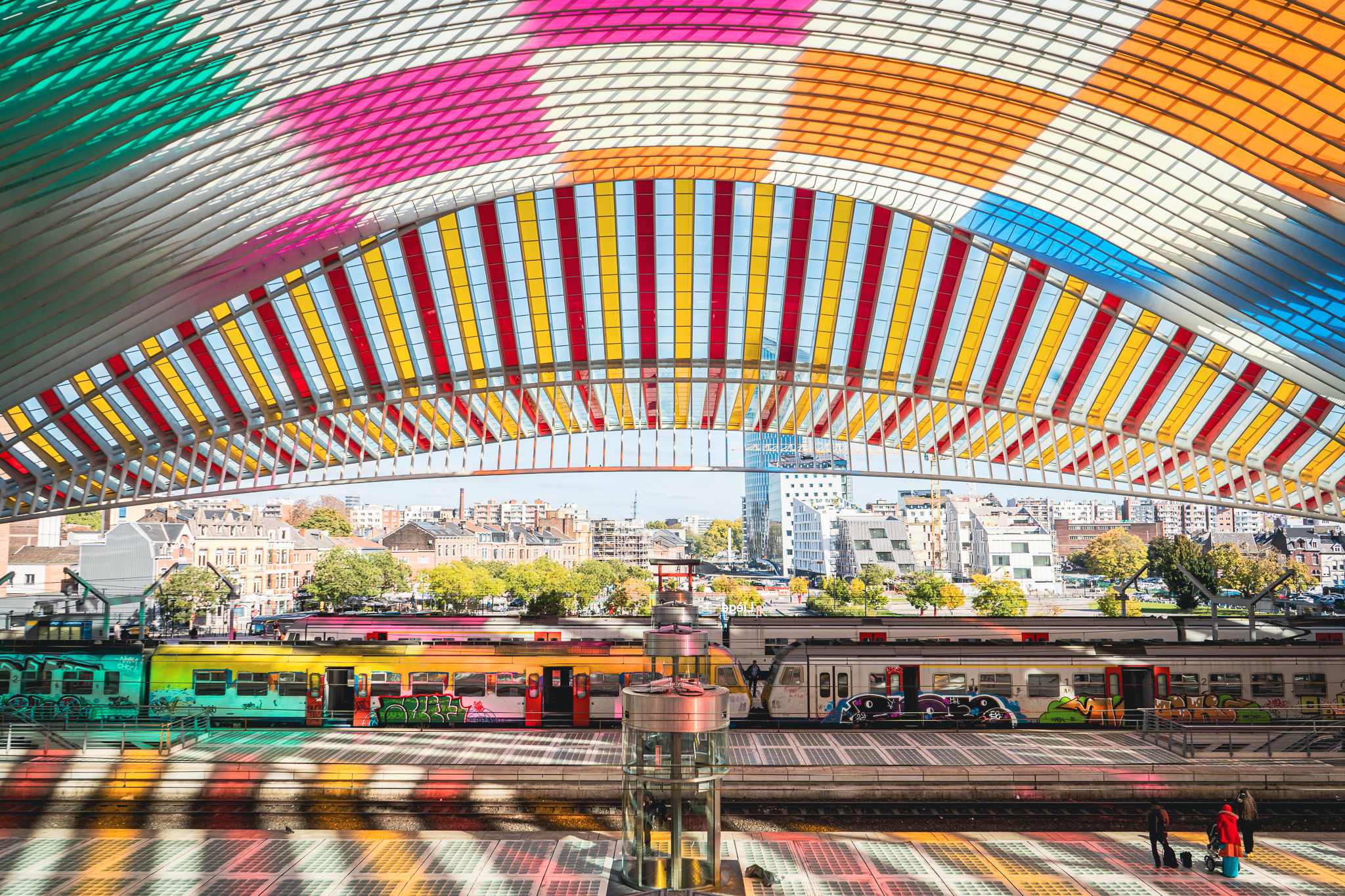
Liege-Guillemins station, designed by Santiago Calatrava'
While the government could divide up the rail network into regions – allowing competitors such as SNCF and Deutsche Bahn the possibility to enter the market – many options are in play and little is known at this point. However, the government has prepared for the change by introducing legislation that prevents new hires for enjoying the status of statutory workers who cannot be fired for economic reasons. This measure is intended to put SNCB-NMBS on the same competitive level as its rivals.
A spokesperson told Brussels Times that the company is “actively preparing” for the new environment by strengthening its “service quality, operational reliability, cost control, status as a leading employer and capacity for innovation.”
Vansteenwegen says he would be surprised if another operator were to replace the Belgian incumbent, pointing to the large state subsidies required to manage connections, especially to remote areas. He also says that passengers are unlikely to benefit from having to deal with a complicated system involving multiple operators. The future of the company may be safe for now, but whether it can survive and thrive in the longer term is still open for question.
