
Euro area inflation rose to 3.2% in May as energy prices climbed after the outbreak of war in the Middle East, prompting the European Central Bank to raise interest rates by a quarter of a percentage point.
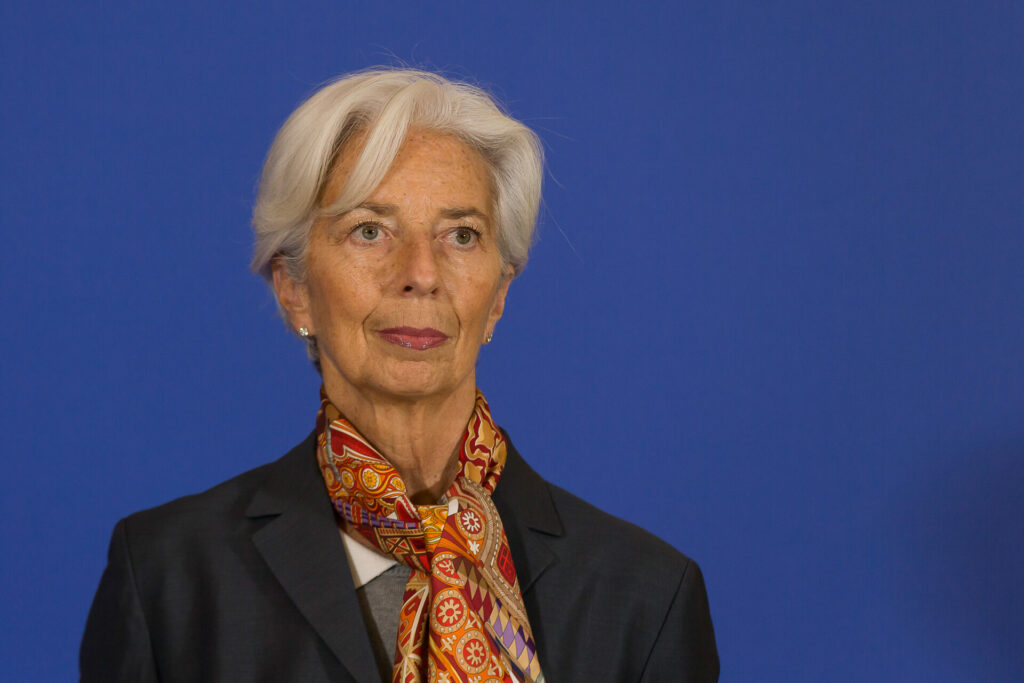
The euro area economy had been “gaining some traction” before the conflict, with real GDP rising by 0.3% in the first quarter of 2026 compared with the previous quarter, after adjusting for “exceptional volatility” in Ireland, according to a statement delivered to the European Parliament by ECB President Christine Lagarde on 22 June 2026.
Incoming information now points to a slowdown “especially in services”, while manufacturing “has held up so far”, partly because firms have been building inventories in response to supply chain pressures, with defence spending also stronger.
ECB staff projections published in June put euro area growth at 0.8% in 2026, 1.2% in 2027 and 1.5% in 2028.
Inflation excluding energy and food rose to 2.6% in May, partly reflecting the initial indirect effects of higher energy prices, Lagarde said.
Energy inflation was above 10% in April and May, and Lagarde noted that energy had been the main driver of inflation since February.
Most measures of longer-term inflation expectations stood at around 2%, although expectations over shorter horizons had risen “well above” pre-war levels.
Interest rates raised as war hits outlook
The ECB raised its three key interest rates by 25 basis points at its June meeting, Lagarde told MEPs.
The central bank said it would set policy “meeting by meeting” and remain “data-dependent”, adding that it was “not pre-committing to a particular rate path”.
ECB staff projections foresee headline inflation at 3.0% in 2026, 2.3% in 2027 and 2.0% in 2028.
The outlook remained uncertain, with “upside risks for inflation and downside risks for economic growth”, while a peace agreement in the Middle East was “welcome” but the situation remained “fragile.”
She also told the committee that monetary policy cannot lower energy prices directly, but can respond if higher energy costs spill over into other prices or feed through to wages.
Lagarde ended by thanking the European Parliament committee for progress on the “Single Currency Package”, which she said moved the digital euro project forward.
