
Broadening the range of proteins produced and eaten in Europe could reduce greenhouse gas emissions from farming and cut reliance on imported animal feed, the European Environment Agency (EEA) has declared.
Average protein intake among adults in the EU is about 80 to 85 grammes per person per day, with animal-based foods providing roughly 60% of total protein intake, the EEA said in a new report on Monday.
Livestock production accounts for more than 65% of agricultural greenhouse gas emissions in the EU, while grazing and feed production together use more than half of the bloc’s agricultural land.
The EEA stated that agriculture was responsible for around 94% of the EU’s ammonia emissions in 2023, describing ammonia as a major source of fine particulate air pollution.
It added that nitrogen linked to livestock and fertiliser use contributes to water pollution and eutrophication, a process where excess nutrients trigger algal growth that can damage waterways.
The EU also imports nearly two-thirds of the high-protein feed used in livestock production, with supply concentrated mainly in Brazil, Argentina and the United States, the agency said. Soybean imports alone total around 30 million tonnes a year, mostly for animal feed.
Not all livestock systems are the same
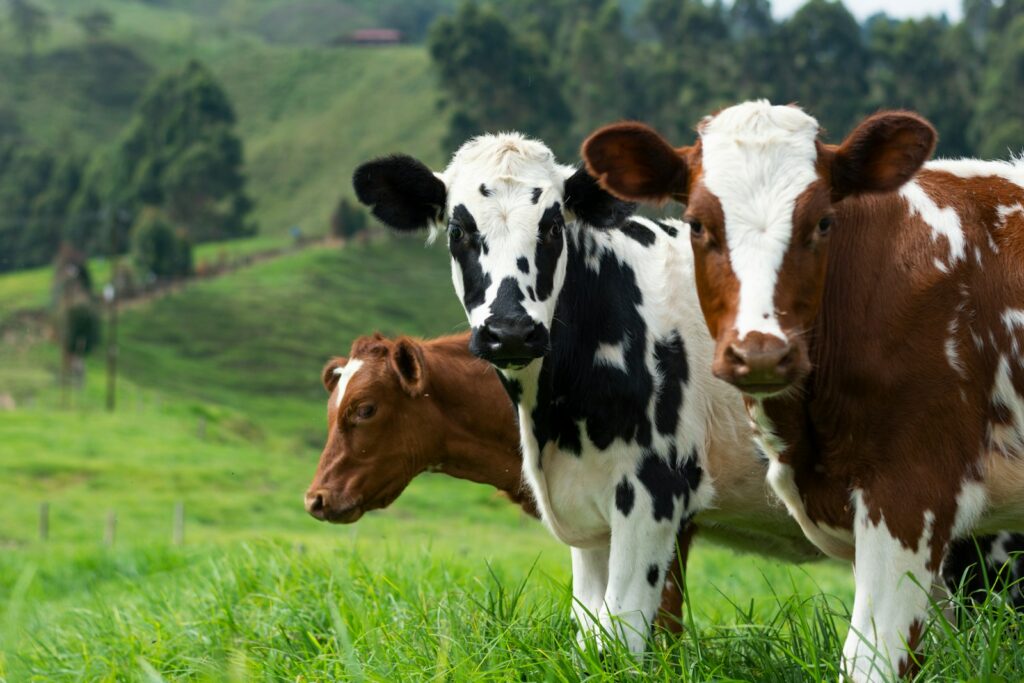
Protein diversification should not be treated as a replacement for livestock farming but as a gradual rebalancing alongside more sustainable livestock systems, the report said. It noted that extensive grazing on grasslands can support biodiversity conservation and landscape management, and that around one in three protected habitats in Europe depend on grazing.
The EEA said plant-based proteins — such as pulses and legumes — offer the most immediate environmental benefits, while the report also assessed emerging options including insects, biomass fermentation, precision fermentation and cultivated meat.
Fermentation refers to using microbes to produce protein ingredients, while cultivated meat is grown from animal cells rather than farmed animals.
A coordinated shift towards more diversified protein sources could reduce reliance on imported feed and lower EU agricultural greenhouse gas emissions by about 5% by 2035, modelling by the European Commission’s Joint Research Centre suggests.
