
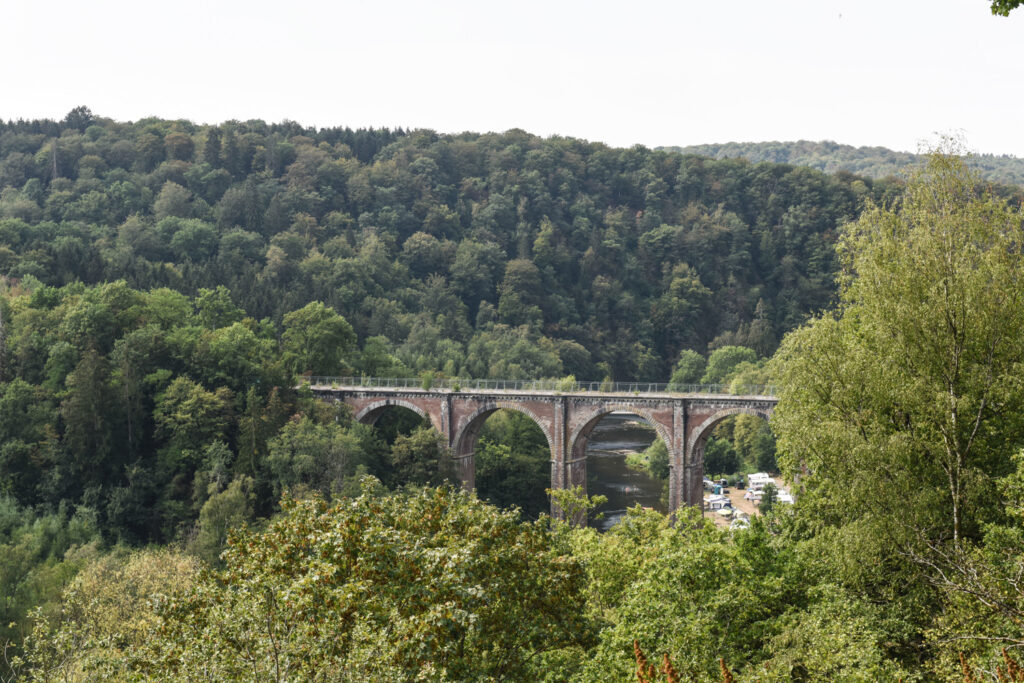
Nearly a quarter of forests in Wallonia have high ecological value, but just 3.3% are under strong protection, according to the Belgian chapter of World Wildlife Fund, WWF Belgium, and the Forêt & Naturalité (Forest & Nature) Department
The two organisations unveiled an interactive map on Monday, highlighting Wallonia’s 134,000 hectares of ancient and mature forests with native tree species, which are potentially the richest in biodiversity.
Sébastien Carbonnelle, director of Forêt & Naturalité, described the map as a tool to identify priority areas for protection and restoration, allowing policymakers to locate regions where urgent conservation measures are needed.
Natural forests are typically more resistant to droughts, storms, and diseases linked to climate change. They also serve as critical refuges for numerous plant and animal species, yet only 3.3% of these forests benefit from any strict protection status.
Corentin Rousseau, a biologist at WWF Belgium, emphasised that this level of protection is insufficient given the ecological importance of these forests, and particularly their role in combating climate change and meeting European nature conservation targets.
The release of this map coincides with Belgium’s preparations for implementing the EU Nature Restoration Regulation, which aims to restore at least 30% of degraded natural habitats by 2030.
At the same time, the European biodiversity strategy seeks to protect 30% of the continent’s land and seas by 2030, including one-third under strict protection.
