Good afternoon from Avenue Louise. It's Katie Westwood back in the Belgium in Brief hotseat.
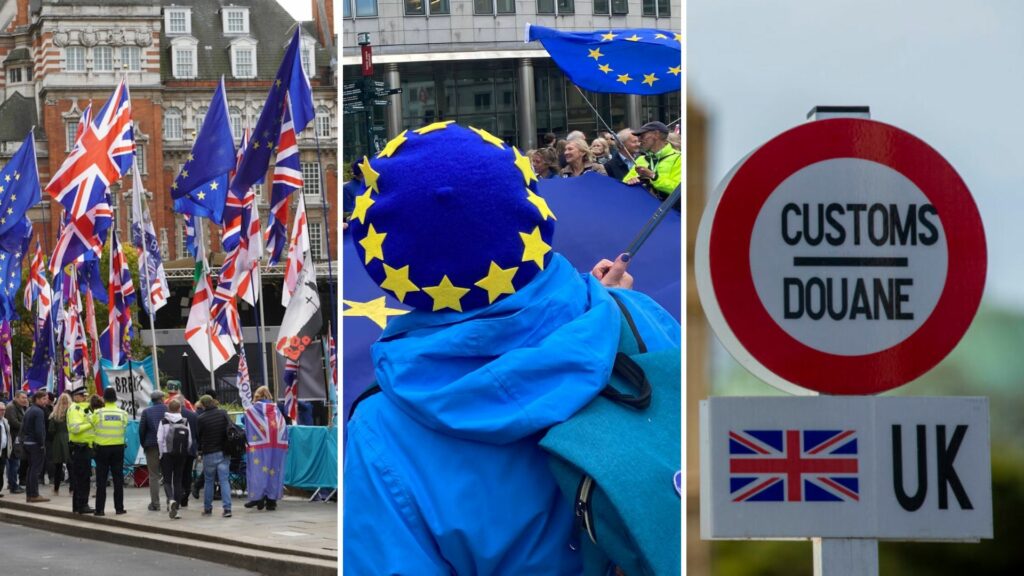
As a Brit, I try to repress my natural urge to make everything about my motherland, but today, you’ll have to indulge me. It’s exactly a decade since the UK voted to leave the EU, and I can’t help but reflect on what it has meant for Britain, the EU and the millions of people affected by the decision.
I cringe when I look back on how I behaved following the referendum. I fell out with my leave-voting mum – a huge regret. I moved from the UK to Brussels in a huff, determined to live in the heart of Europe. I made people’s eyes glaze over in boredom with nerdy monologues about arcane parliamentary rules. I wailed, "but it was an advisory referendum!" ad infinitum.
Today, I am (more or less) over my Brexit derangement – and so too, it seems, is the EU.
Acolytes of Nigel Farage predicted the bloc would collapse without Britain’s steadying hand. But while many EU insiders will admit that the UK’s pragmatism and its economic and military heft have been missed in Brussels, the EU has learned to live without Britain.
Following the UK’s departure, the bloc has become a little more interventionist – and perhaps, as The Economist argues, a little more French. Above all, Brexit has served as a warning to others not to make the same mistake as the UK. Even anti-EU parties like France’s National Rally know better than to scare the horses by calling for a withdrawal from the EU.
Here at The Brussels Times, we’ve published a range of pieces this week on the impact of Brexit – on Brussels, on businesses and on individuals. Today’s homepage features an entertaining interview by Isabella Vivian with Peter Wilding, the man credited with coming up with the word Brexit.
Geoff Meade, meanwhile, looked back through his diary entries from June 2016 to produce a fascinating article on Brexit’s first delirious days in Brussels, "when shell-shocked Brits were hugged by eurocrats, jokes about visas flew through the press room, and nobody quite knew whether to laugh or cry". Read Geoff’s article here.
It may have escaped your notice, but it's been rather hot in Brussels this week. These kinds of scorching summer temperatures are likely to become the norm in the coming years. What is Belgium doing to prepare the country for extreme temperatures? Political Editor Maïthé Chini spoke to climatologist Steven Caluwaerts to find out what plans are in place to deal with a range of scenarios.
Elsewhere, Jon Eldridge examines Belgium's national railway operator SNCB-NMBS as it marks its centenary. Jon argues that SNCB finds itself at a juncture. Passenger numbers are rising, and rail is central to the country's climate ambitions, yet overcrowding, ageing infrastructure and questions over value for money continue to dog the network.
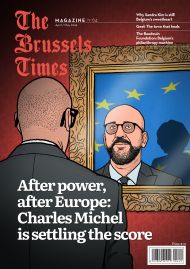
Jon and Geoff’s articles are taken from the latest edition of The Brussels Magazine, which is out now. If you subscribe to The Brussels Times, you will have the option to get a physical copy of the magazine delivered directly to your door.
As always, if you have any comments, tips or suggestions, you can find me at k.westwood@brusselstimes.com.
As a subscriber to our newsletters, you rely on The Brussels Times as a trusted news source, so please take a moment to select our website as a preferred source on Google. That way, when you carry out Google searches, you will see our verified news articles first.
Bye for now!
Belgium in Brief is a free daily roundup of the top stories to get you through your coffee break conversations. To receive it straight to your inbox every day, sign up below:
1. The man who invented the word ‘Brexit’ on his bittersweet legacy
"I'm a quiz question these days. Who invented the word 'Brexit'? Is it Boris Johnson, Nigel Farage, or an obscure failed politician-solicitor called Peter Wilding?" Read more.
2. My lost Brexit diary: Ten days of shock and hugs in the fallout zone
"Dear reader, what follows is my personal journal recording the turbulent times in the “Capital of Europe” after the UK voted to leave the EU." Read more.
3. Over 40°C soon? Belgium prepares for more extreme heatwaves
Recent models predict temperatures of up to 50°C in Paris by 2050 – should Brussels be preparing for similar situations? Read more.
4. After 100 years, can SNCB-NMBS stay on track?
Overcrowding, ageing infrastructure and questions over value for money continue to dog the network as Belgium's national railway operator marks its centenary. Read more.
5. Brussels among top 5 highest population densities in Europe
The population density of Brussels is surprising to some. Visually, it does not have the hallmarks of a dense city, according to a real estate expert. Read more.
6. At least 270 Belgian organisations targeted by ongoing Russian cyberattack
The hack installed spyware to exfiltrate sensitive information, with the stolen data reportedly being used for extortion or sold on the dark web. Read more.
7. ‘Coal Agreement’ which led to wave of Italian immigration to Belgium turns 80
After the wars, Belgians were unwilling to work in mines, leading the country to turn first to German prisoners of war and later to foreign labour. Read more.
