
As July officially rings in the start of the summer holidays, plenty of changes are coming into force midway through the year as Belgium implements its monthly list of new measures.
From the end of buying tickets on board trains and more jobseekers losing benefits to several healthcare-related changes, you can find the most important developments and how they will impact people below.
Fines possible in Brussels Low Emission Zone
The Brussels tax authorities will start issuing fines for vehicles that breach the rules governing the Low Emission Zone (LEZ) in Brussels.
Specifically, there are over 13,000 vehicles that risk such a fine of €350. It concerns Euro 5 diesel and Euro 2 petrol vehicles that received a warning earlier this year. The amount of the fine is equivalent to the cost of a pass for 12 months.
In total, there are nearly 630,000 vehicles registered in Belgium that are no longer permitted to enter the Brussels Low Emission Zone (LEZ). Anyone caught for the first time will receive a warning. Three months later, a fine may be imposed for a new offence.
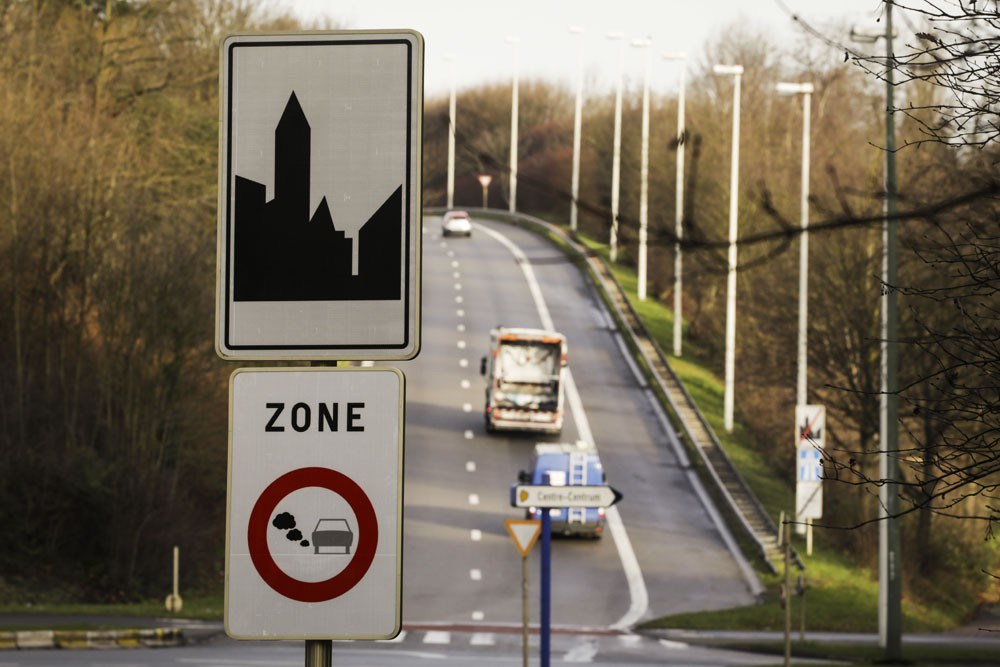
Credit: Belga
Flexi-jobs permitted in all sectors
The flexi-job system was designed to allow people working at least four-fifths of full-time hours to earn extra income under tax-favourable conditions.
Those with a flexi-job can earn up to €18,440 from it per year, and do not have to pay taxes or employee contributions on those earnings. Meanwhile, the employer pays a reduced rate of just 28% in contributions on top of the person's wages.
Flexi-jobs were introduced in 2015 to enable people who are already in work or retired to lend a hand in the hospitality sector. Over time, however, they have been used in more professions.
As of July, flexi-jobs will now be permitted in virtually all sectors (with exceptions for certain protected professions and specific care roles).
No more ticket sales on trains
Train passengers will no longer be able to buy a ticket on board the train from now on. The measure is intended to combat fraud and aggression.
Until now, a train passenger had to pay an extra €9 if they bought a ticket from the conductor. From now on, every passenger must have a valid ticket in their possession before boarding and be able to show it during an inspection.
Anyone travelling without a ticket is in breach of the rules. Those travelling without a valid ticket who only wish to pay when checked in risk a fine of up to €500.
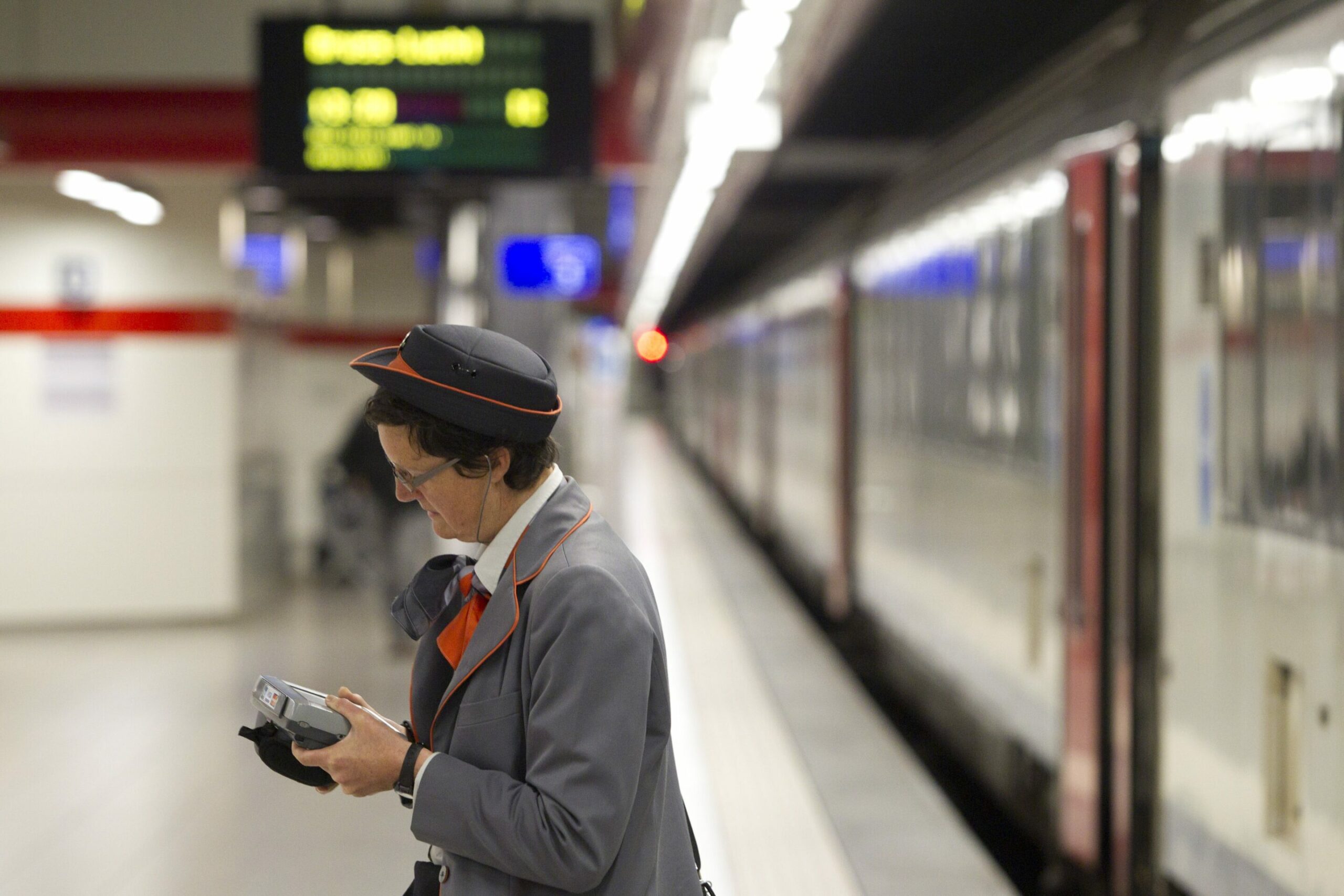
A train conductor at the train station in Zaventem. Credits: Belga / Kristof Van Accom
There are, however, options to regularise the situation, for example, if a passenger has forgotten their season ticket or if there is no ticket office at the departure station and the ticket machine is not working.
The end of on-board ticket sales applies to all trains operating in Belgium and to most cross-border services. There are exceptions for several international services.
New group of jobseekers to lose benefits
A fourth group of long-term unemployed people will lose their benefits on 1 July. The more than 43,000 people affected were notified by letter in January.
The Federal Government has reformed unemployment benefits, limiting them to a maximum of two years. For those already receiving benefits, this change is being phased in from the start of 2026 in waves.
In July, the fourth wave of jobseekers will lose their entitlement to benefits. It concerns jobseekers who are in their second benefit period, according to the National Employment Office (RVA). This means they have already been receiving unemployment benefits for over a year.
Between now and June 2027, there will also be a fifth wave: jobseekers in their first year of benefits and with less than five years' employment history will lose their benefits. However, the exact timing depends on their employment history.
Traffic fines to rise
Traffic fines in Belgium will rise by 10% from this month as an administrative fee of around €10 will be added to on-the-spot fines. This is the first time they have been adjusted in almost ten years.
As a result, the total amount for a first-degree offence, such as a ‘minor’ speeding offence in a built-up area, will rise from €68 to €74. Second-degree fines, such as for not wearing a seatbelt, will rise from €126 to €138.
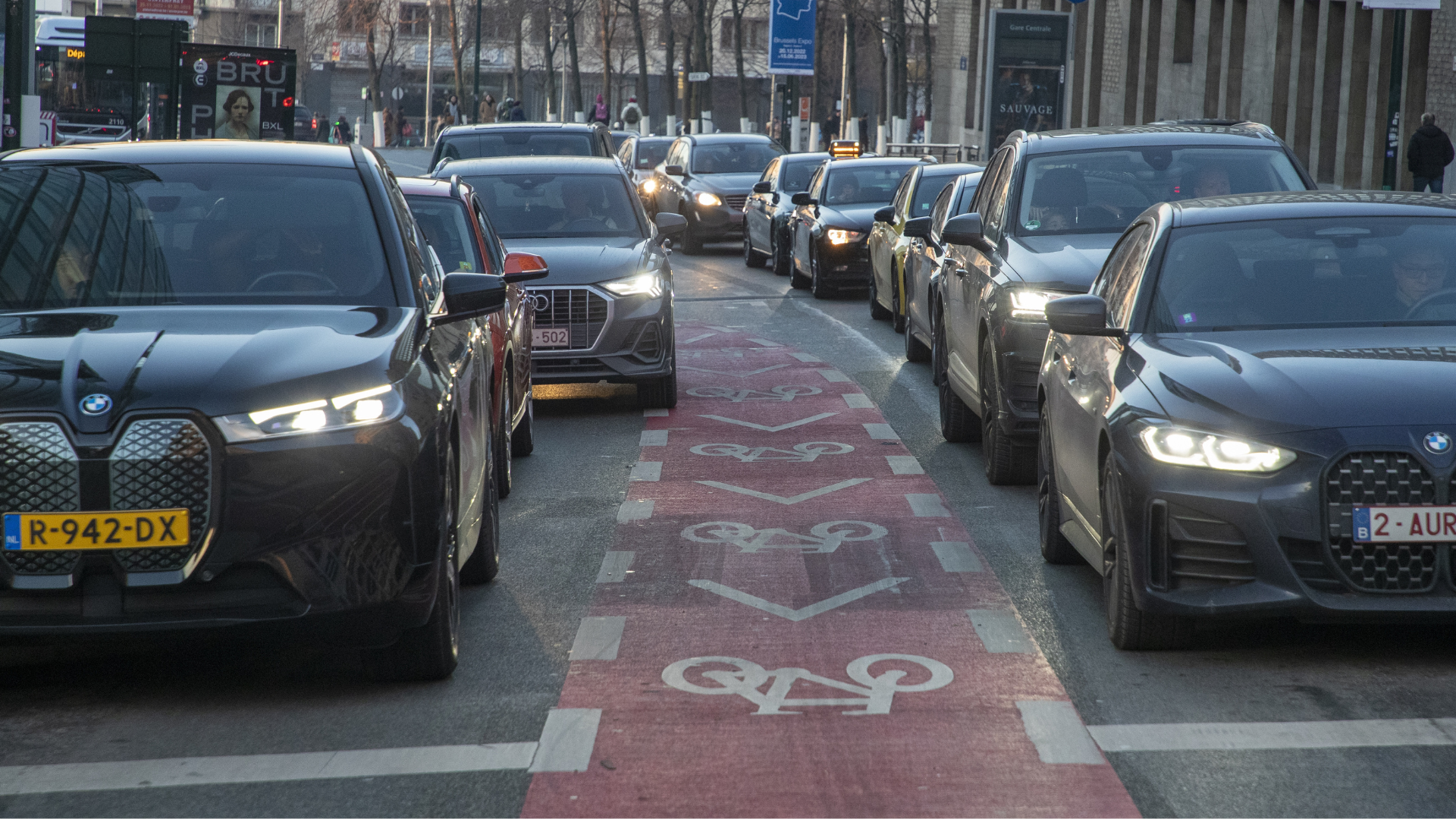
Traffic in Brussels during rush hour in the Belgian capital. Credit: Belga
Anyone caught using a mobile phone while driving (a third-degree offence) will have to pay €201, compared with €184 until now.
Fines for drink-driving are also set to rise: anyone found to be just above the alcohol limit of 0.5 per mille will have to pay €207 (instead of €189). Above 0.8 per mille, the fine will be €472 (instead of €430).
12-hour driving ban always imposed after positive alcohol test
Drivers caught drink-driving will always be subject to a temporary 12-hour driving ban from now on. Before, temporary driving bans following a positive alcohol test could still last for two, three, six or 12 hours.
By consistently suspending driving licences for 12 hours, the aim is to "send a strong signal that the deadly combination of driving and alcohol is no longer tolerated by our society", according to the Federal Government.
Healthcare changes
More flexible time off for informal carers
From now on, informal carers will be entitled to longer care leave, which they can also use more flexibly. This is set out in a Royal Decree issued by the Employment Minister, David Clarinval (MR).
The entitlement to informal care leave is doubling from three to six months per person requiring care. Informal carers can organise this period in various ways: they can choose to stop working completely for six months, work part-time for 12 months, or work one-fifth less for 30 months.

The imbalance between the "active working population" and the elderly is growing. Credit: Belga/Maxime Asselberghs
In addition to the extension, the leave will also become considerably more flexible. Those who have an agreement with their employer will no longer be required to take the period as a single block.
From now on, the full-time leave can be split into individual weeks, and the part-time reduction into individual months.
Dentists can't charge extra fees to those with low incomes
Dentists will no longer be able to charge additional fees to beneficiaries of the enhanced reimbursement scheme (BIM).
Since 1 January 2025, dentists have been prohibited from charging surcharges to BIM beneficiaries for certain outpatient services. From now on, this ban will be extended to all outpatient dental services listed under Article 5 of the nomenclature, according to the National Institute for Health and Disability Insurance (NIHDI).
This ban on surcharges for BIM patients already existed in Belgium for doctors (GPs and specialists). This extension aims to "guarantee access to care and price stability for these patients".
Self-employed mothers can also take 15 weeks' maternity leave
From now on, self-employed mothers will be entitled to 15 weeks’ maternity leave – bringing the period into line with that of employees.
Until now, the self-employed could take a maximum of 12 weeks’ maternity leave, while employees have long been entitled to 15 weeks. The new arrangement is intended to encourage female entrepreneurship.

Person holding baby's index finger. Credit: Unsplash / Aditya Romansa
The measure will come into force on 1 July 2026 for any maternity leave commencing on or after that date. Women who prefer not to take the three extra weeks will then be able to apply for family support using service vouchers from the thirteenth week onwards.
From 2028, both mothers and fathers who are self-employed will be entitled to parental leave. For budgetary reasons, this scheme will be rolled out in stages. Initially, the self-employed will be able to take one week’s parental leave; this will then be gradually increased to the four months to which employees are already entitled today.
Video consultations for physiotherapists and midwives
Not only doctors, but also physiotherapists and midwives are now able to see their patients via video consultation. This follows a measure that was announced in mid-May by Health Minister Frank Vandenbroucke (Vooruit).
There are a few conditions attached to video consultations. Importantly, the patient must have seen the physiotherapist in person at least once before a video consultation can be booked.
There can only be a maximum of two consecutive online appointments; the third one must take place in person again. The choice of whether or not to opt for a video consultation is always up to the patient.

Physiotherapist. Credit: Belga
Pregnant women who have an appointment with a midwife will also be able to have these online. Technical procedures will still need to be carried out in person; only prenatal preparation and postnatal care can be provided remotely.
Here too, the patient always has the freedom of choice, and the same conditions apply as for video consultations with a physiotherapist.
Police councils to be abolished
Police councils – bodies comprising local councillors from different municipalities within the same police zone – will be abolished from now on, as part of the reform of police zones by Interior Minister Bernard Quintin (MR).
Established following the integrated police reform, these councils were responsible, among other things, for approving annual budgets and accounts, awarding contracts for works or supplies, and discussing the organisation of services. These meetings were convened by the police board, comprising the mayors concerned and the zone’s chief of police.
The powers of the police councils will now be taken over by the police boards and the municipal councils.
This abolition is expected to yield savings of an estimated €2 million per year, according to the minister’s office.
Banks can reduce capital buffers by National Bank
The total amount of capital buffers held by Belgian banks may fall from €3.9 to €3.3 billion from now on, according to the National Bank (NBB). Capital buffers are required reserves of high-quality capital that financial institutions must hold above their strict regulatory minimums.
These funds have been set aside by banks as a contingency measure for major repayment problems with mortgage loans. They will now be integrated into a slightly smaller reserve, which they can draw on in the event of any large-scale financial shock.
Due to the reduced vulnerabilities surrounding mortgage loans, their capital buffer would have been reduced in any case. However, the NBB has decided to implement a simplification: the buffer for mortgage loans will be integrated into the 'countercyclical capital buffer', a broader instrument.

A logo of the National Bank of Belgium. Credit: Belga/Jonas Roosens
While the two buffers still amounted to €3.9 billion at the start of the year, the combined countercyclical buffer will now be worth around €3.3 billion – which corresponds to the decline in risks within the mortgage portfolios.
The new combined buffer is "the best way to ensure the resilience of the banking sector in uncertain economic and geopolitical times", says the NBB. By removing the division between the buffers, the funds can be deployed more flexibly in times of need.
Social tariff for natural gas 15% higher
Natural gas will become 15% more expensive for consumers on the social tariff. The social tariffs for electricity will rise by an average of 1.4%, according to an announcement by energy regulator Creg.
Half a million Belgians are eligible for social energy tariffs. While they will have to pay more from July, they will still be paying considerably less than consumers on a "standard" contract – even if that were a fixed-term annual contract taken out before the sharp price rise caused by the war in Iran.
The Creg sets the tariff every three months based on the cheapest commercial tariffs. The price rise is capped: for gas, the increase may not exceed 15% per quarter and 25% per year. Without this cap, the price would have to rise by 33% from July.
Certain delivery vans must be fitted with tachograph
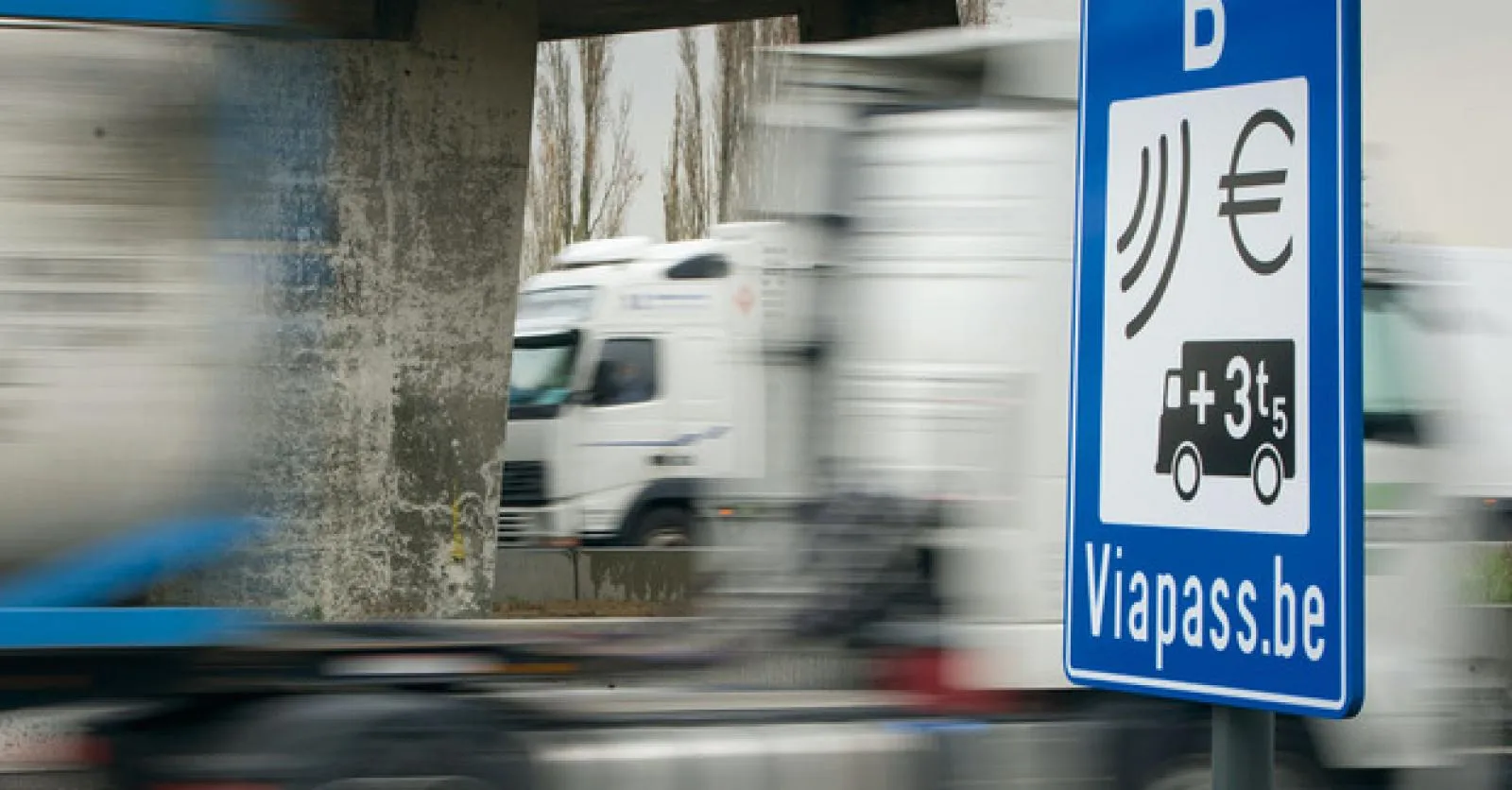
Several delivery vans must now also be fitted with a digital tachograph that monitors driving and rest periods. This applies to vehicles with a maximum authorised mass (MAM) of between 2.5 and 3.5 tonnes used for international goods transport.
The digital tachograph (“smart tachograph version 2”) is already mandatory for lorries with a maximum authorised mass (MAM) of 3.5 tonnes or more. Lighter goods vehicles are now also being included in this requirement.
Credit: Belga
Drivers of the vans in question must comply with EU rules on driving and rest periods, including a maximum daily driving time of normally 9 hours, a maximum of 56 hours’ driving time per week, sufficient breaks and sufficient uninterrupted rest. Anyone who fails to comply risks a fine.
There is an exemption from the tachograph requirement if the vans are transporting goods for the driver’s or the company’s own account, and driving is not the driver’s main activity.
The Netherlands introduces kilometre charge for lorries
The Netherlands will introduce a kilometre charge for lorries. From July, owners of lorries in categories N2 (3.5 to 12 tonnes) and N3 (over 12 tonnes) will have to pay a charge per kilometre travelled – as is already the case in Belgium.
The kilometre charge applies on motorways and on some provincial and local roads, according to the Dutch government. The lower the emissions and the weight of the lorry, the lower the amount payable per kilometre.
Viapass, the body that coordinates the kilometre charge in Belgium, warns lorry drivers that Satellic’s OBUs (toll boxes) are only usable in Belgium.
EU-related changes
€3 levy on parcels from outside the EU
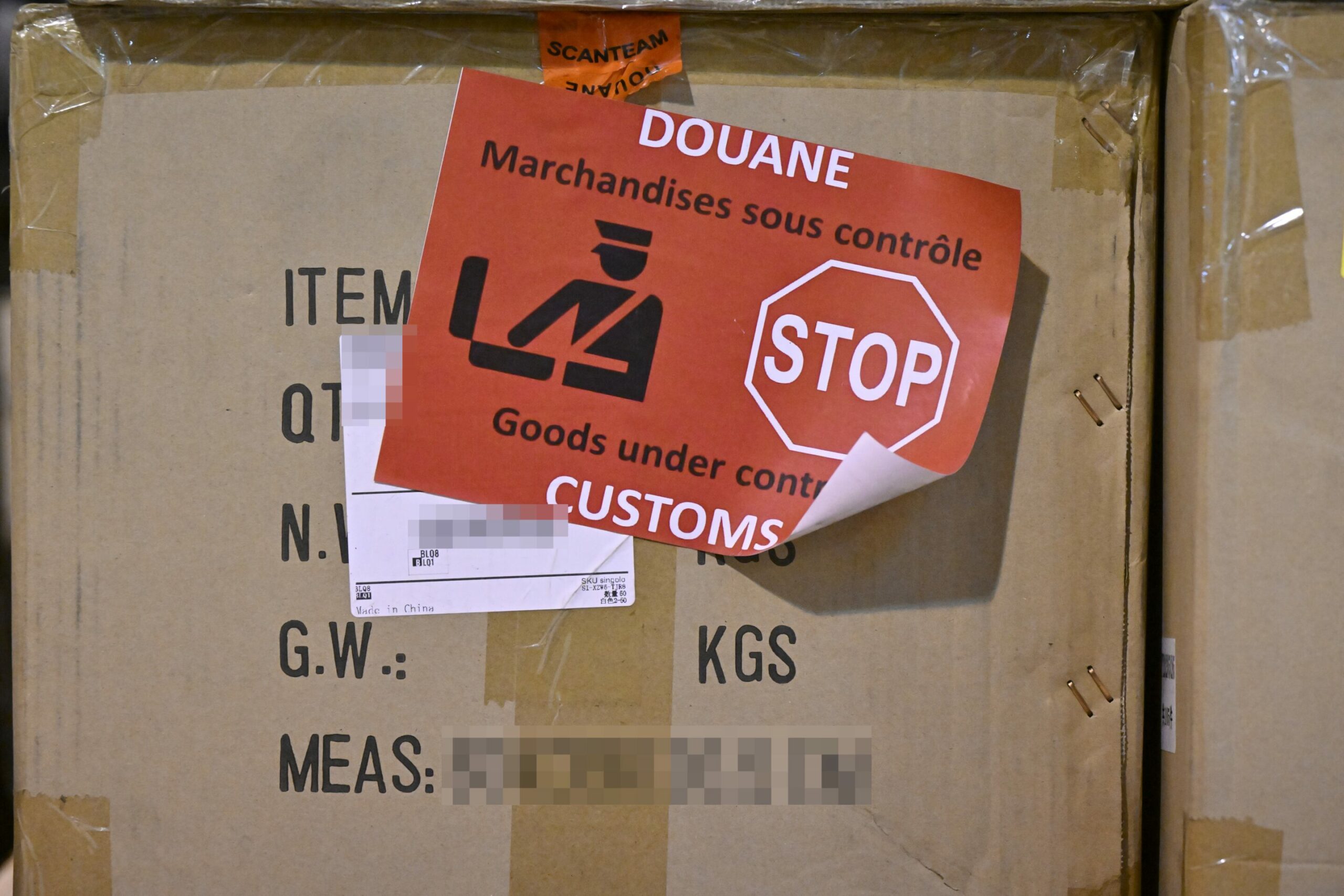
Anyone ordering goods worth less than €150 online from outside the European Union will pay a €3 levy from now on. The levy applies per product category. If a single parcel contains items from multiple categories, customers pay €3 per category.
As international e-commerce continues to grow strongly, imports of low-cost goods from third countries, particularly from China, are also increasing significantly.
Credit: Belga/Eric Lalmand
These products do not always comply with European standards and are also putting a growing administrative burden on customs services, leading to unfair competition for European online shops and increasing the risk of fraud.
The Federal Finance Ministry expects that, in 95% of cases, online shops will automatically pass on the costs.
The levy is being referred to as a "temporary customs duty" across the EU, pending a structural technical solution, which is planned for mid-2028.
Protecting European steel
The European steel market will be better protected. The volume of steel allowed to enter the European Union duty-free will be reduced by almost half, and the import duty on additional imports will be doubled.
The measures are intended to help protect the ailing European industry against cheap products from countries such as China. The measures were approved by the European Parliament on 19 May.
Specifically, duty-free steel imports will be limited to 18.3 million tonnes per year, 47% less than the 2024 steel quota. An import duty of 50% will apply to additional steel imports, doubling the current rate of 25%.
The lower quotas and higher tariffs are intended to protect the steel industry from the effects of global overproduction. To prevent the quotas from being circumvented, stricter rules will also be introduced to determine the actual origin of imported steel.
Ireland takes over presidency of Council of the EU
For the second half of 2026, Ireland will take over from Cyprus as president of the Council of the European Union, the institution that represents the EU Member States.
The rotating presidency of the Council, which chairs the Councils of Ministers and other consultative bodies among the Member States, changes every six months.
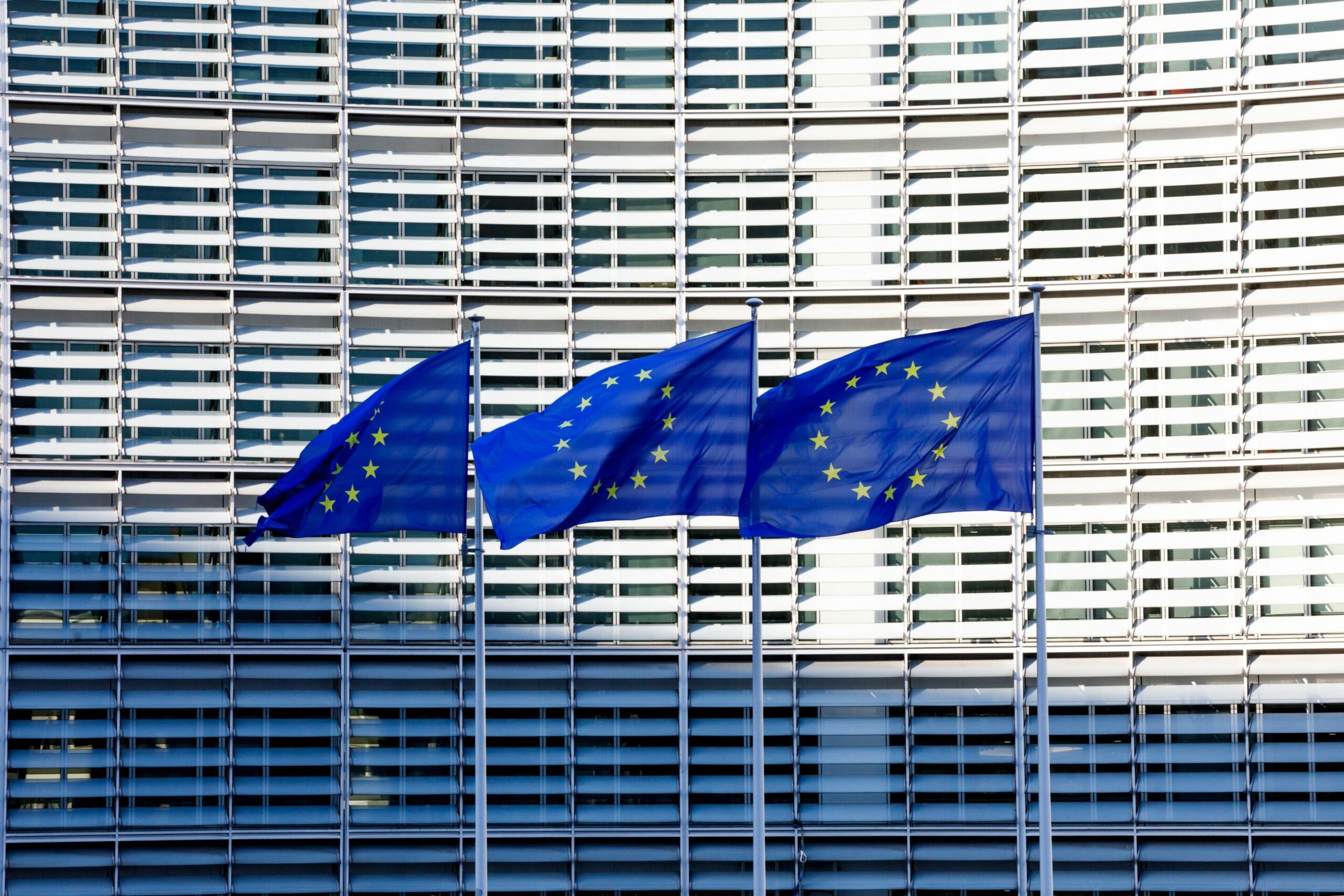
European flags in front of the Berlaymont building, headquarters of the European Commission in Brussels. Belga / Hatim Kaghat
Cyprus held the presidency from January to the end of June; Ireland will take over until the end of December, after which it will be Lithuania’s turn. This is Ireland’s eighth presidency of the Council, which is structured around three pillars: competitiveness, European values and security.
Among other things, the country faces the task of reaching an agreement among the Member States on the next multiannual budget for the period 2028–2034.
Changes in Flanders
More cars will have to undergo MOT every two years
The biennial MOT, the vehicle safety and roadworthiness test, will be extended to passenger cars that are up to 10 years old and have less than 160,000 kilometres on the clock.
Passenger cars must undergo their first roadworthiness test four years after the date of first registration. For a long time, they were required to undergo the test every year from then on, but the previous Flemish Government decided to have some cars return for the test only every two years, to ease the pressure on the testing centres.
Since July 2024, this biennial inspection has applied to cars up to six years old, and a year later, it was extended to cars up to eight years old. Now, a further two years are being added to this. The scheme applies only to vehicles with less than 160,000 kilometres on the clock.
One in three De Lijn routes adjusted
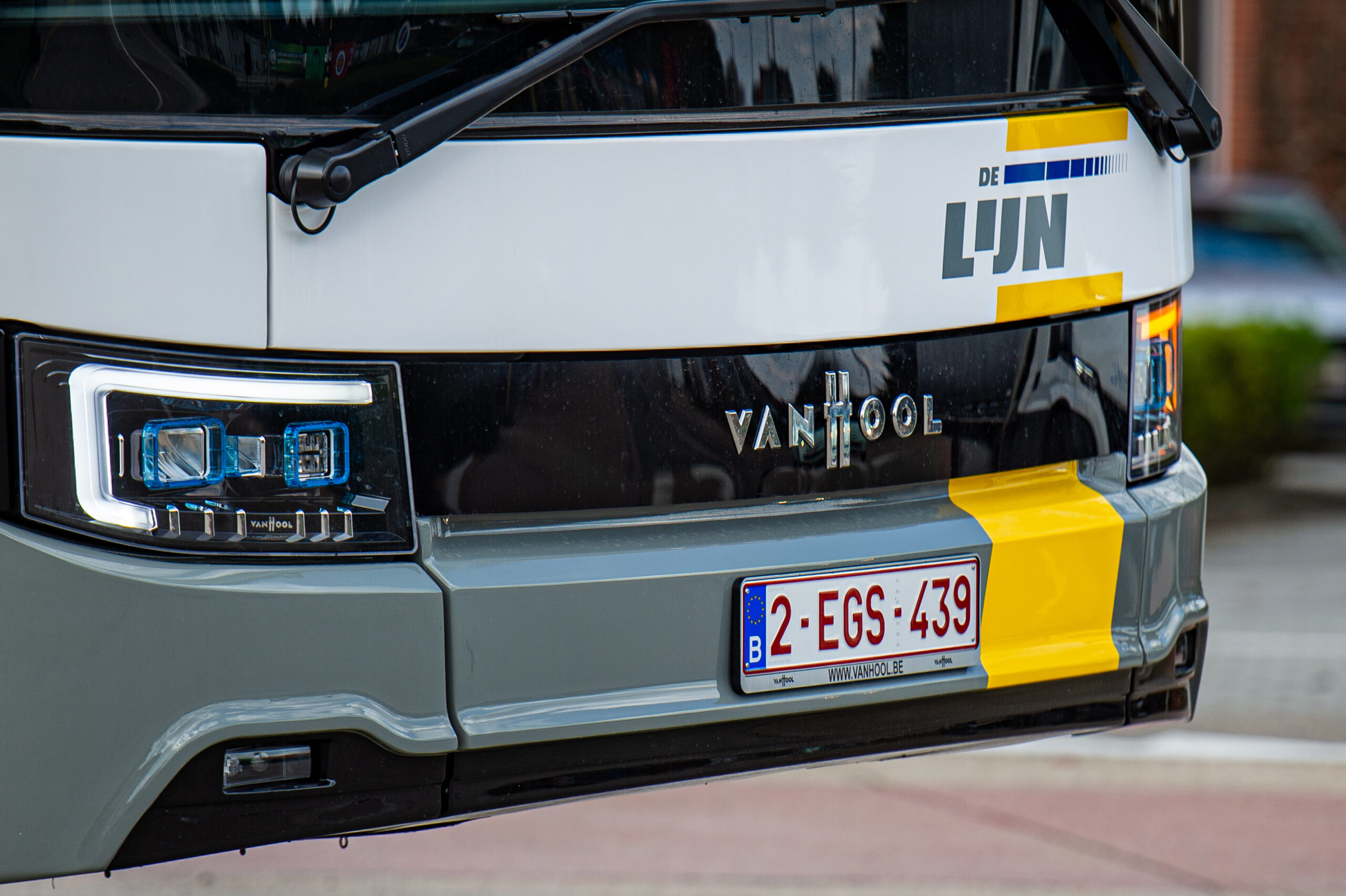
On 1 July, De Lijn will implement changes to approximately a third of its routes in Flanders. More than 40 routes will be discontinued.
Some of the changes are what De Lijn refers to as "hygiene measures": adjustments in response to changes in school timetables, train timetables or alterations on the ground. However, they are also linked to cost-cutting measures imposed by the Flemish Government.
De Lijn bus. Credit: Belga/ Jonas Roosens
Across the 15 transport regions, changes will affect more than 320 of the approximately 1,000 routes, according to a tally. The focus is primarily on routes and services with low passenger numbers.
The changes vary widely: from routes being scrapped entirely to reduced frequencies, the cancellation of, for example, morning or evening services, or a change in route. Some routes will be extended to compensate for other changes, and occasionally a new route will be introduced.
CO₂ surcharge on lorry kilometre charge
Flanders will take a vehicle's CO₂ emissions into account when calculating the kilometre charge for lorries from now on: the more environmentally friendly the lorry, the lower the rate.
Since April 2016, lorries weighing over 3.5 tonnes have been subject to a kilometre charge on Belgian roads. The charge currently depends on the weight, the Euro standard and the region in which the vehicle is travelling. Now, Flanders will add a new parameter to this: the CO₂ emission class.
The new emission classes range from 1 to 5. Class 1 lorries emit the most carbon dioxide, while Class 5 is for zero-emission vehicles (ZEVs). Vehicles first registered before 1 July 2019 will automatically fall into the first class.
Wallonia and the Brussels Region are not yet introducing the CO₂ surcharge. However, they will be increasing the kilometre charge rates from July. In Brussels, this involves indexation, while Wallonia is increasing the charge by an average of 5.7% compared with January this year.
Changes in Wallonia
New TV classification system
A new television classification system will come into force in the Wallonia-Brussels Federation, the Higher Audiovisual Council (CSA) announced on Tuesday.
Content ratings will no longer be based solely on the recommended age of viewers, but will be supplemented by content descriptors.

This picture shows an IPTV multimedia streaming service, on Tuesday 8 April 2025 in Brussels. Credit: Belga/Hatim Kaghat
Programmes will still be classified into six age categories: suitable for all audiences, 6 years, 10 years, 12 years, 16 years and 18 years. However, this will then be supplemented by one or more descriptors indicating the nature of potentially sensitive content: violence, anxiety, sex, the use of addictive substances, coarse language and discrimination.
A single programme may carry several of these descriptors. These will be selected according to a set order of priority, ranging from violence to anxiety, sex, the use of addictive substances, coarse language and finally discrimination.
To this end, the website bienvu.be provides a shared database of content already classified according to this labelling system.
