

With the start of the World Cup in recent weeks, it was impossible to miss: despite recent measures to curb gambling advertising, companies are circumventing the ban on a massive scale. Now, Belgian experts are calling for a total ban on gambling advertising, with no loopholes.
Across Belgium, advertising campaigns by brands owned by gambling operators are currently appearing everywhere, including in the vicinity of schools.
In the run-up to major sporting events such as the FIFA World Cup, existing loopholes in the regulations are being exploited to the full.
"For the gambling industry, the link to sport is a particularly powerful marketing tool," said Katleen Peleman, director of the Flemish Centre of Expertise on Alcohol and Other Drugs (VAD).
"By associating itself with popular sports competitions and clubs, the sector creates a positive, unifying and wholesome image, while the risks of gambling fade into the background," she said.
This way, gambling operators continue to advertise their brands and gambling products indirectly.
Popularity rises despite stricter rules
To curb the proliferation of gambling advertising, the Federal Government introduced new rules in recent years.
A 2023 Royal Decree and a 2024 legislative amendment significantly restricted the scope for gambling advertising: only forms of advertising that are explicitly permitted remain allowed, while all other forms are prohibited.
Sponsorship of sports clubs has also become much stricter: since 2025, all gambling advertising has disappeared from stadiums.
For the time being, only a limited mention of a gambling operator on sports shirts is permitted under strict conditions – a transitional measure that will also be scrapped for professional clubs from 2028.
However, according to VAD and the Ghent University researchers, these measures are insufficient.
The number of newly registered online gamblers continues to rise, and gambling operators are constantly finding new ways to remain visible, which is why they are calling for a total ban.
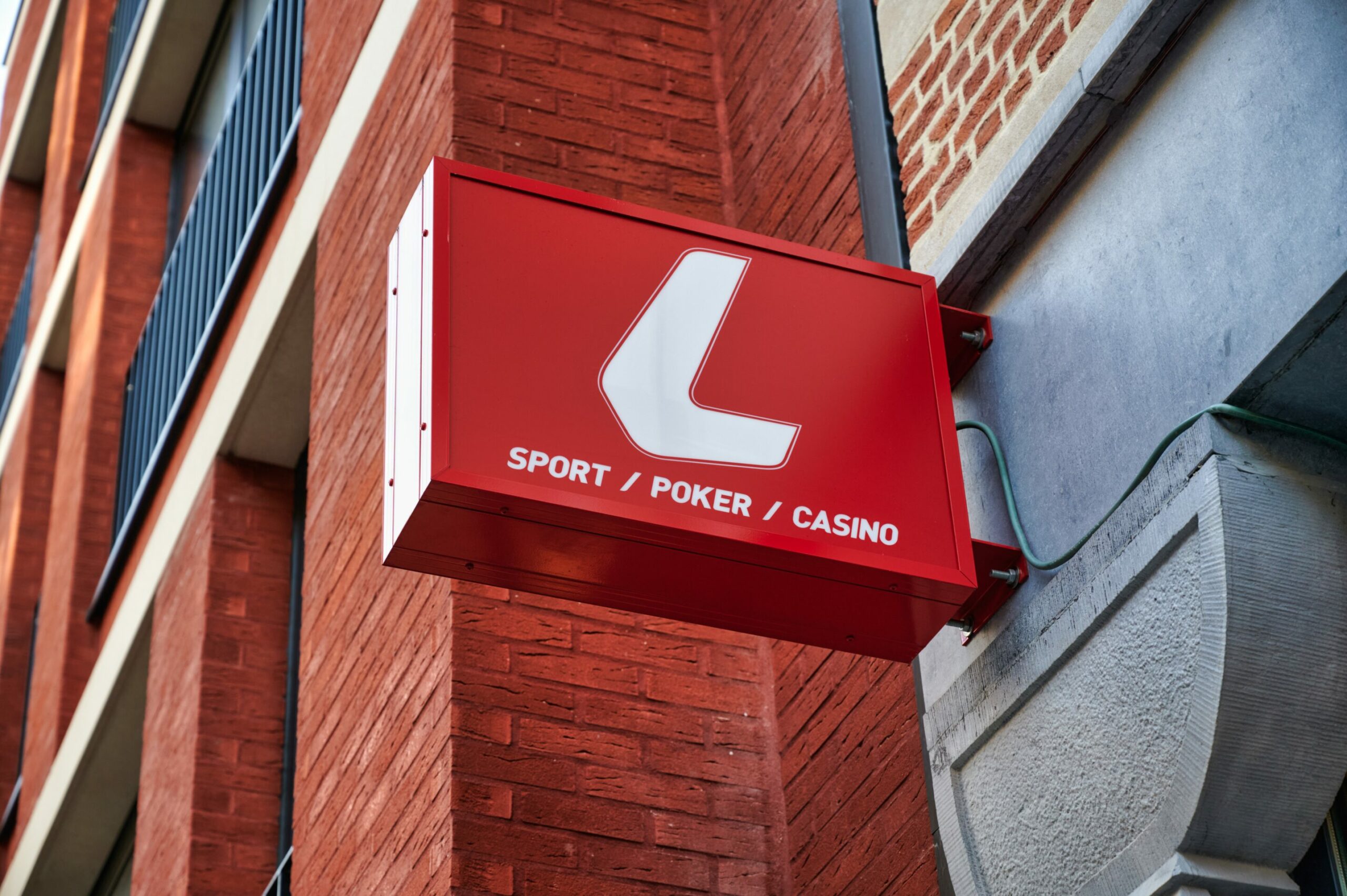
Credit: Belga
Currently, companies are managing to circumvent current rules through spin-off brands, sponsorship arrangements, creative marketing campaigns and digital channels. As soon as one form of advertising is restricted, the sector immediately finds another way to advertise.
For example, many gambling operators nowadays have a website featuring 'sports news' under the same brand name. These websites redirect users to the same company’s gambling platform.
"This is called surrogate advertising, where a permitted product serves as an advertising channel for a strictly regulated product," explained Ghent University researcher Katho Jacobs.
Recent research by Ghent University researchers shows that sports fans see through this mechanism: they effortlessly link the spin-off brands to the original gambling brands, and view both as the same brand with the same purpose.
More advertising, more bets
This trend is causing growing concern among prevention workers, support staff, researchers and the general public.
"Gambling is increasingly portrayed as a normal, harmless and socially acceptable leisure activity, but it is not. It can lead to serious addiction problems, comparable to a dependence on alcohol or drugs," said VAD.
Gambling often has far-reaching consequences in terms of finances, relationships and mental and physical health. Family members, friends and other loved ones also feel this impact.
"For every person with a gambling disorder, there are six people in their circle who also become victims," the centre said.
International scientific research has long shown a direct link between gambling advertising and gambling behaviour, and recent Belgian research carried out as part of Ghent University’s GAMSPON project reaffirms these findings.
This shows that people who are exposed more frequently to gambling promotion through sponsorship or advertising are more likely to place sports bets. This is because advertising and sponsorship normalise gambling and lead people to view it more positively.
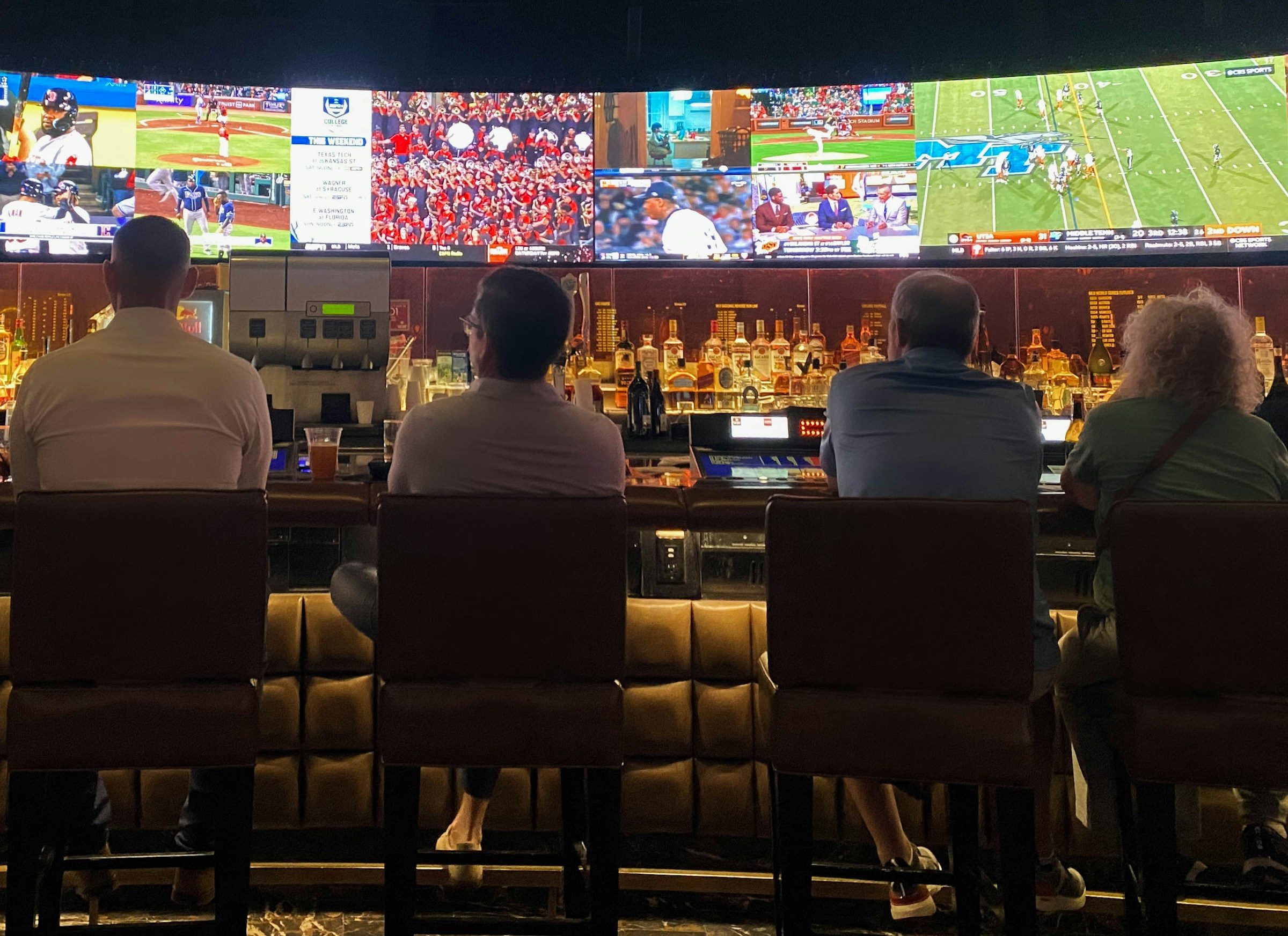
Credit: Unsplash/Amit Lahav
The World Health Organization (WHO) recommends treating gambling as a public health issue, comparable to tobacco and alcohol. This means, therefore, that gambling products must become less visible and less accessible.
A comprehensive legal framework that bans all forms of gambling advertising and sponsorship, the research argues, would prevent brands or related initiatives from being used as advertising channels for games of chance.
Additionally, the researchers are advocating a proactive approach that takes into account the gambling sector's future marketing strategies.
"Gambling products and digital marketing practices are evolving faster than research and legislation," said Peleman. "That is why it is essential to look ahead and develop regulations that prevent future circumvention strategies, rather than having to intervene after the event every time."
Related News
- Constitutional Court rules that gambling ban should cover online gaming
- From Ladbrokes to Qatar? Questions raised over MR leader Bouchez's sponsors
- Belgian gambling industry makes huge profits despite stricter rules
- 'A question of governance': Bouchez's links to gambling lobby in the spotlight again
