
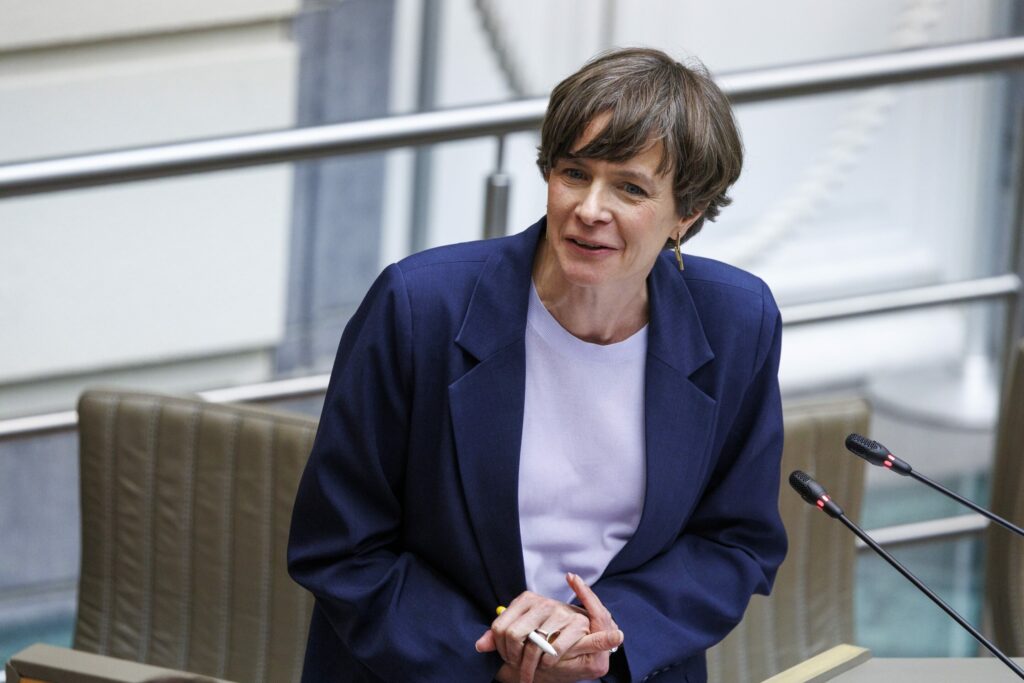
The Flemish Parliament on Wednesday approved a new radio decree that introduces clearer rules for FM and digital radio, including DAB+, and allows local stations to broadcast digitally.
According to Flemish Media Minister Cieltje Van Achter (Nieuw-Vlaamse Alliantie, N-VA), the decree marks an important step towards a clearer and more future-oriented framework for the radio sector.
The new rules create categories for national and local digital radio broadcasters, simplify the regulatory framework, set out provisions on the length of licences, and introduce a broadcasting model for DAB+.
Radio accounts for nearly 70% of listening time in Flanders
Radio remains highly popular in Flanders. Nearly 70% of all listening time is still spent on radio, and radio stations together reach almost 4 million people in the region every day.
At the same time, digital listening is continuing to grow. Last year, more than half of total listening volume, 54% came through digital channels, with DAB+ the main platform.
Digital radio offers several advantages, including better sound quality, stronger reception and the ability to provide extra information such as song titles and artiste's names.
Digital radio stations to receive nine-year licences
Van Achter said the decree is intended to ensure fair and clear rules for both traditional FM radio and DAB+. It also introduces clear procedures for assigning digital frequencies.
Digital radio stations will now receive nine-year licences, matching the duration already used for FM broadcasters.
A key change is that local radio stations will also be able to broadcast on DAB+, opening the digital platform to more of the smaller-scale players.
Vlaams Belang votes against the new radio decree
By making it simpler and clearer for new entrants to broadcast on DAB+, the minister said the government aims to enrich the radio landscape and provide more stability for the sector.
The decree was approved by the governing majority (N-VA, CD&V and Vooruit).
Opposition parties Groen, PVDA, Anders and Team Fouad Ahidar abstained, while another opposition party, Vlaams Belang, and independent legislator Maurits Vande Reyde voted against.
