
European Parliament lawmakers have adopted three resolutions condemning human rights violations in Sudan, Nigeria and Pakistan, including alleged war crimes in Sudan and the abduction and forced marriage of a 13-year-old girl in Pakistan.
The votes were taken on Thursday during a plenary session and covered the situations in El-Obeid in Sudan, attacks in Plateau State in Nigeria, and the case of Maria Shahbaz in Pakistan, the parliamentary press service informed.
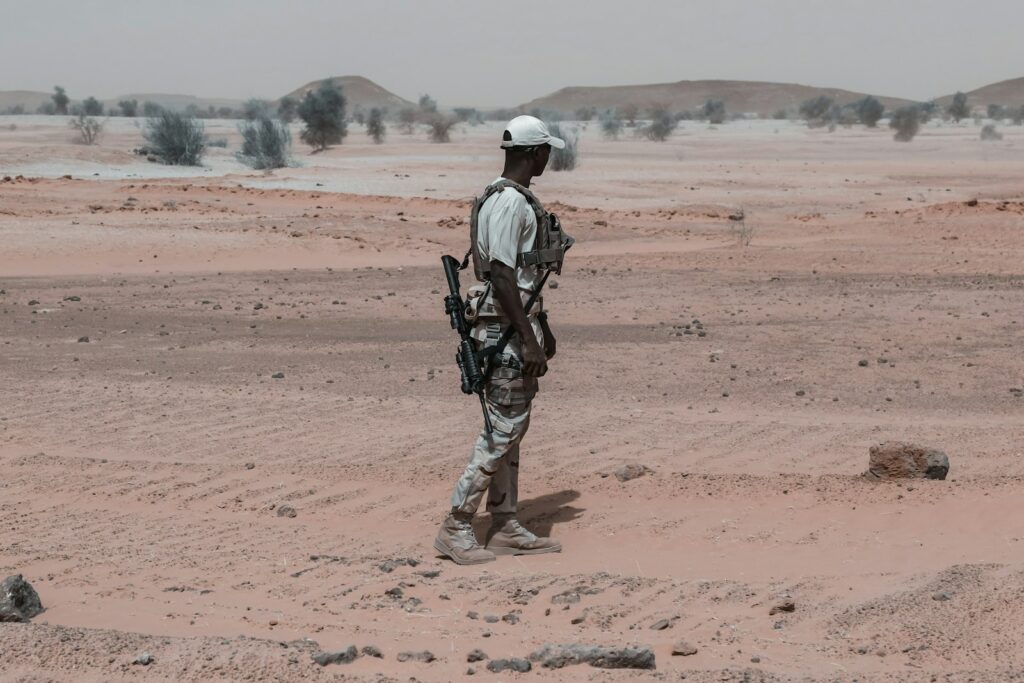
In the Sudan resolution, MEPs condemned what they described as war crimes and crimes against humanity, focusing on atrocities during the ongoing siege of El-Obeid by the Rapid Support Forces (RSF).
They called on the EU to increase humanitarian aid to Sudan and to provide direct funding to local organisations, including medical groups.
MEPs also called for humanitarian corridors to allow civilians to be evacuated and aid to be delivered, and urged the warring parties to end attacks on civilians, including sexual violence, and the resulting famine.
They demanded that countries stop supporting the RSF, particularly through the supply of weapons, and condemned foreign interference fuelling the war.
The resolution called for EU sanctions on those responsible for attacks on civilians and on external facilitators — including the Global Security Services Group — for violating the UN arms embargo, the Parliament said.
It also called for the RSF to be added to the EU list of terrorist organisations, an independent investigation into alleged war crimes, and for the International Criminal Court’s jurisdiction to be extended to the whole country.
That resolution was adopted by 476 votes in favour, 28 against and 96 abstentions.
Nigeria and Pakistan resolutions
In the Nigeria resolution, MEPs condemned an attack in Kawel and offered condolences to victims’ families, while expressing support for the Christian community in Plateau State.
They said there had been an alarming rise in abductions with a disproportionate impact on women and girls.
MEPs called on Nigeria’s authorities to step up the fight against Boko Haram while ensuring independent investigations to bring perpetrators to justice and end what they described as a culture of impunity.
The resolution was adopted by 510 votes in favour, one against and 86 abstentions.
In the Pakistan resolution, Parliament highlighted the case of Maria Shahbaz, a 13-year-old Pakistani Christian girl who was abducted, converted to Islam and forcibly married to her abductor in March 2026.
MEPs called for her to have access to legal representation, her family and psychological support, and condemned similar abuses against underage girls from religious minorities.
UN figures for 2025 showed that among women and girls affected by forced conversion through marriage, around 75% were Hindu and 25% were Christian.
The resolution urged Pakistan to implement its national framework to end child marriage across the country and to create a national mechanism for complaints from families of abducted or forcibly converted girls from minority communities.
The Pakistan resolution was adopted by a show of hands.
