
Conventional climate action is not getting the job done, as greenhouse gas emissions continue to increase, causing more deadly global heating. Its impact on sport might well be the cut-through needed.
Burning fossil fuels releases harmful greenhouse gas emissions, which contribute to the global heating effect, triggering changes to our climate. This is a proven scientific fact, but one which we as a planetary society are still yet to fully act upon.
The benefits of neutralising emissions and using clean energy sources are abundantly clear: a reduced chance of uncontrollable climate breakdown, cleaner air, safer jobs, a healthier economy. But that is apparently not enough.
2025 was yet another record year for emissions and fossil fuel power stations were still being built at scale in many energy-thirsty parts of the world. Oil producing nations also continued to pump their wares with impunity.
This is not to say that climate action is having no effect. Without constant pressure on politicians and the, in hindsight, frankly incredible Paris Agreement, emissions would have been even higher and clean energy less developed.
But it is not enough. Temperature targets are being blown wide open, people are dying in heatwaves that scientists say would not have been possible decades ago without the trigger of climate breakdown.
So if pointing out the absolutely obvious and championing societal wins like unpolluted air and a healthier planet for children isn’t working, what could?
Well, billions of people love sport. For many, it is the light at the end of their hard work week tunnel. An escape from the hum-drum of a life that is otherwise disappointing or unfulfilling. It is a source of entertainment for societies all across the world.
It too is at risk from the changing climate and one could argue that if it is disrupted enough, then mass public support for getting properly serious about climate action could be the result.
Take the ongoing football World Cup in North America. On the one hand, each match is graced with the advertising hoardings of the world’s biggest fossil fuel company, Aramco, and the main host of the tournament is a celebrated climate denier.
But for the first time there are hydration breaks due to the high temperatures. Fans have complained that the heat is getting to them and the outcome of matches have been settled based on who could handle the heat the best.
Football fans, by far the most numerous sport fans in the world, have had a taste of climate change and in 2030, when the tournament heads to Saudi Arabia, they’ll be given an even bigger dose.
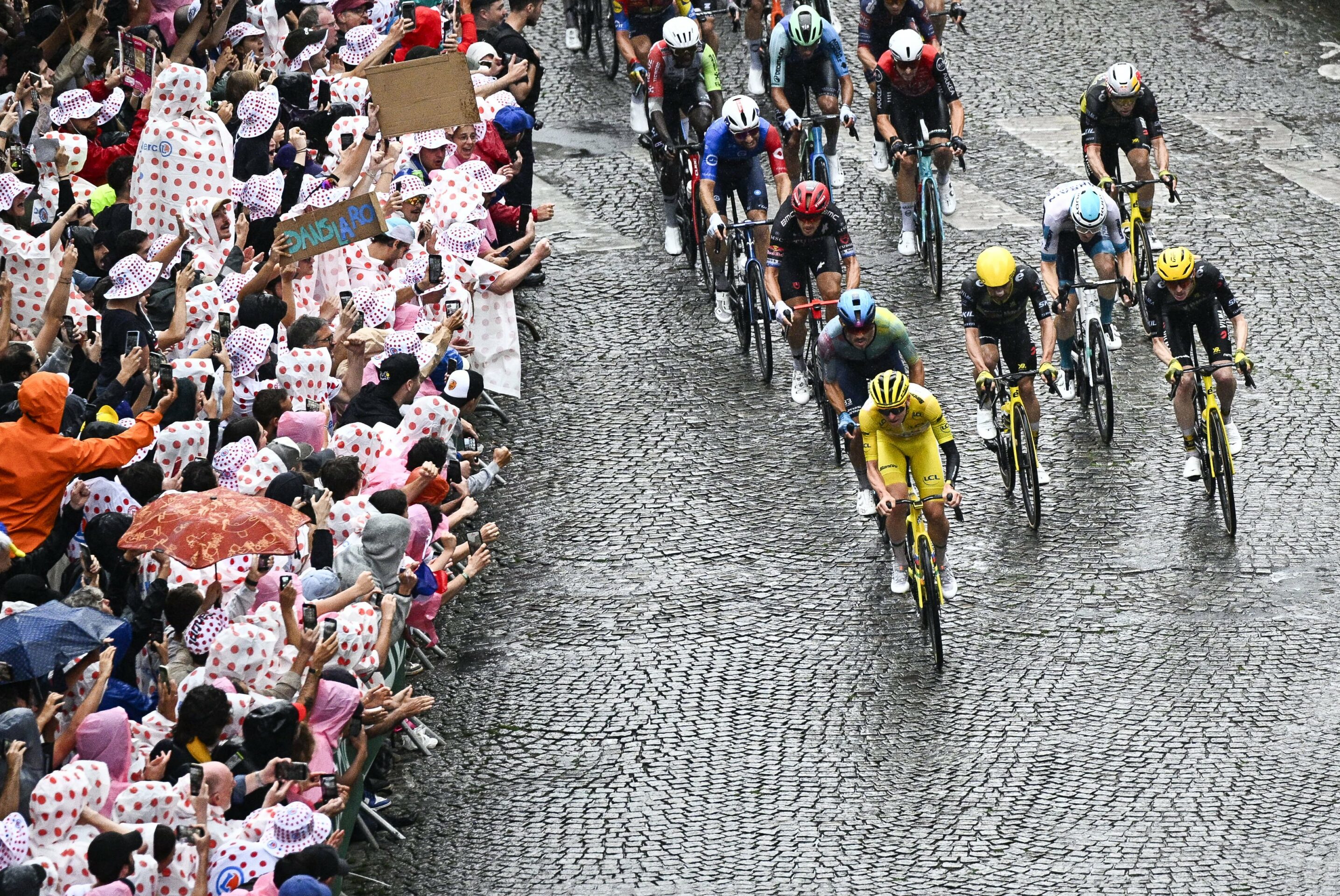
Another huge sporting occasion, the Tour de France, is currently ongoing. In the past, stages of the race have been cancelled due to factors as diverse as strike action, the pandemic and even wars. But never heat.
That might change this year, as the race organisers have already toyed with neutralising or outright cancelling a day’s racing due to the temperatures and fears about cyclist welfare.
Numerous hot weather protocols are in place and during one stage, spectators were even urged not to attend the finish due to fears about climate-triggered wildfires in the area.
Cycling might not be football in terms of popularity but millions still watch it. By some counts, the Tour is the most attended sporting event in the world, given the hordes of fans that line the roads for three weeks while the race is on.
This is yet more exposure for normal people to what the climate is doing. It is firsthand experience for millions of the future that awaits us all if changes are not made soon.
All sports are affected. Formula One and MotoGP drivers and riders have complained about the 50 degrees conditions they are exposed to during races and long-distance running races are being rescheduled to avoid midday heat.
Even cricket, which is watched by billions in Asia in particular, is not safe. As well as players being more exposed during hours-long matches, the leather cricket balls are performing differently as the cowhide they’re made from is subtly altered by the climate.
The most obvious impact of a warming climate on sport though will of course be the potential loss of winter sports like skiing. Higher average temperatures means less snow cover in many places, reducing the number of areas that can host sports like this.
By 2050, the International Olympic Committee estimates that as few as just 10 countries might be capable of hosting the Winter Olympics.
Winter sports might not be the most popular, especially when you compare it to football for example, but one country that is synonymous with them might be cajoled into action in order to save them.
Norway might well be electrifying itself using clean energy sources but it is also one of the world’s major fossil fuel exporters. Europe has weaned itself off Russian imports by turning to its northern neighbour and the Scandinavian nation currently has plans to increase output.
At the recent Cortina Winter Olympics, Norway placed top of the medals table, so maybe we can imagine a world in which the Norwegians realise that a massive part of their culture and identity is at risk from something they have a big hand in causing.
Perhaps we could expect at the very least that Norway starts spending some of the trillions earned from fossil fuel sales to help decarbonise other parts of the world, in order to right some of the wrongs of oil and gas combustion.
Sport is a powerful thing. Many that enjoy it often cry that it should be kept separate from politics and that it should just be about scoring points, setting records and finishing first.
But climate is not politics. Climate is part of the world in which we all live. A world that is going to be less hospitable for millions if not billions of people if the current trend continues unchecked. Sport is a lever that could be pulled to help the climate effort.
Want more updates and analysis of what is happening in the world of energy and climate? Interested in finding out more information about public tenders and consultations? Sign up to our Energy Rundown newsletter here!
